The United Kingdom has issued updated travel guidance for Belgium and several other European nations after a series of security concerns. Authorities warn of heightened terrorism risks, political unrest, and potential travel disruptions during the winter and spring tourism seasons. The changes affect both leisure and business travelers planning trips to Belgium, Estonia, Finland, Poland, Germany, Switzerland, and Iceland.
The advisory urges British nationals to stay informed, prepare for delays, and review their insurance coverage before departure. While tourist travel continues across Europe, the updated guidance reflects an environment that has become more complex due to geopolitical tensions and domestic instability in several EU member states.
Belgium Sees Elevated Terror Alert and Transport Strikes
Belgium has emerged as one of the priority concerns in the latest advisory. Authorities in Brussels raised the national terror threat level to a serious tier, signaling that attacks are considered likely. The alert follows past incidents tied to extremist networks, which prompted increased security at major public facilities. Popular locations such as airports, train stations, shopping areas, and cultural districts now operate under visible security measures and screening procedures.
Travelers are also contending with frequent transport strikes. Belgium has seen repeated rail and public service walkouts that interrupt regional and international routes. This includes delays on cross-border trains passing through Brussels and key transport corridors used by visitors heading to EU institutions and tourist centers.
Demonstrations have added to the pressure on city infrastructure. While generally peaceful, protests can affect traffic and access to popular attractions. Visitors are encouraged to monitor local updates and avoid large gatherings when possible.
Estonia and Finland Navigate Border Tensions Near Russia
Estonia and Finland face their own concerns linked to security tensions in Northern Europe. Estonia shares a border with Russia and has increased monitoring of cyber activity and strategic infrastructure. Although the terrorism threat is low, geopolitical uncertainty has prompted authorities to review contingency plans for ports, government districts, and communication networks.
In Finland, officials have increased border controls following migration issues and the wider instability in the Baltic region. Helsinki and northern cities report higher checks on traffic entering and exiting the Schengen zone. Travelers should be prepared for documentation reviews and occasional queues at airports and ferry terminals.
Finland remains safe for tourism, though pickpocketing and minor theft have become more frequent in busy tourist hubs. Lapland, a popular winter destination, expects strong holiday bookings despite the new advisory.
Poland Copes With Protests and Spillover From Ukraine Conflict
Poland continues to attract tourists to heritage cities such as Krakow, Gdansk, and Warsaw, yet its proximity to the war in Ukraine keeps the region under close watch. While daily life remains normal, the government has bolstered emergency preparedness in eastern districts. Travelers are advised to avoid non-essential trips to areas near the Ukrainian border due to the potential for accidental cross-border incidents.
Political demonstrations also occur in major Polish cities. These gatherings often relate to migration, judicial reform, or foreign policy. Most remain peaceful but can disrupt public transport and scheduled events. Visitors are advised to check local transport notices before heading to historic centers or major squares.
Germany Maintains Strong Counterterror Measures as Crime Rises in Urban Hubs
Germany has experienced several planned or attempted terrorist attacks in recent years, keeping the national alert system active. Security patrols are common around transport hubs and large event venues. Popular cities such as Berlin, Hamburg, and Munich host year-round festivals, Christmas markets, and trade fairs that draw large international crowds, increasing the need for situational awareness.
Tourists should also be conscious of street crime, as pickpocketing and bag snatching have risen in mass transit corridors and shopping zones. Authorities recommend basic security habits such as keeping valuables concealed and using hotel safes when possible.
Switzerland and Iceland Remain Low-Risk But Call for Vigilance
Switzerland has not faced major terrorism incidents, but officials continue to assess potential international threats. The country retains tight border controls and a low tolerance for drug offenses and public disorder. Theft has increased in some tourist districts, particularly around Geneva and Zurich transport stations.
Iceland continues to rank among the safest destinations in the world. However, tourism growth has led to more cases of alcohol-related theft and scams targeting foreigners. The island’s natural hazards also require preparation. Weather can shift quickly, and remote areas may lack immediate rescue support. Visitors planning self-drives or glacier excursions are encouraged to check conditions and notify tour providers of their routes.
Travel Preparedness and Insurance Remain Essential
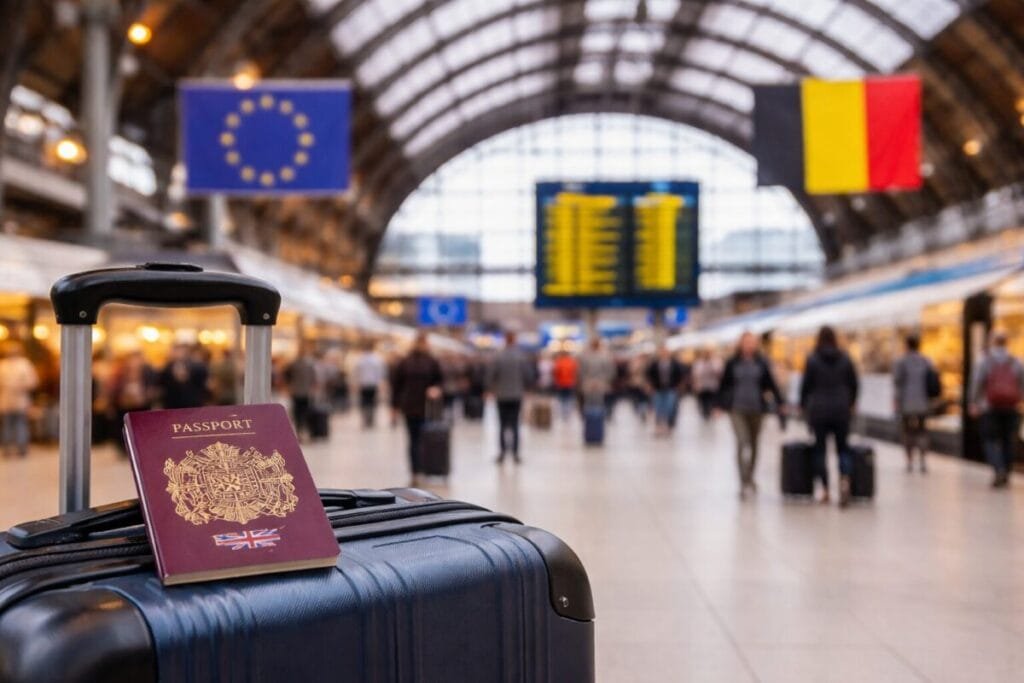
The UK government emphasizes that travel to these countries remains possible, but preparation matters more than in previous years. Comprehensive insurance should cover medical care, cancellations, and emergencies. Travelers are also urged to keep their passports valid, verify visa rules, and monitor airline communications for changes linked to strikes or border measures.
The updated advisory reinforces a simple message: Europe remains open to tourism, but travelers should remain vigilant, flexible, and informed throughout their journey.
For more travel news like this, keep reading Global Travel Wire