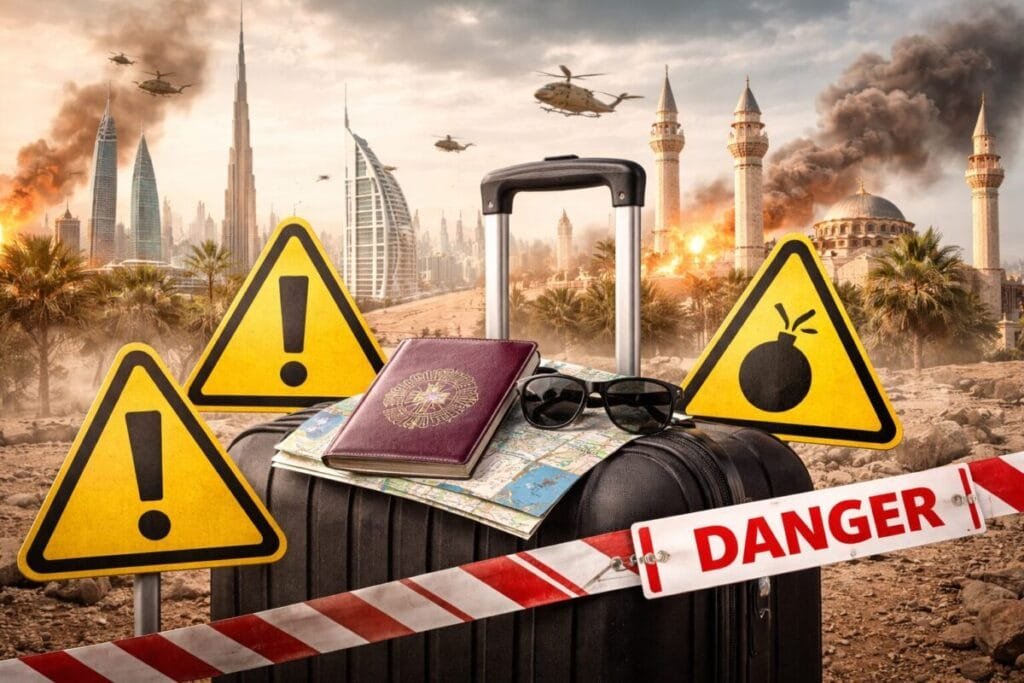
The UK has issued a broad travel warning for British nationals visiting several Middle Eastern countries. Rising political tensions, unrest, border clashes, and terrorism risks now make travel to these destinations more dangerous. Tourists must think twice before booking trips. The Foreign Office urges travelers to stay alert, plan carefully, and avoid non-essential travel.
The list of affected countries includes Bahrain, Saudi Arabia, the UAE, Qatar, Turkey, Oman, Jordan, and Yemen. Each faces unique risks that could disrupt travel plans and impact visitor safety. The advisory highlights risks from protests, terror threats, and unpredictable conflict zones. Travelers should be prepared for rapid changes to local security conditions.
Rising Risk Across the Region
Regional tensions in the Middle East are now affecting everyday life and safety. Violence near borders, armed clashes, and terrorism threats have increased. Public places such as markets, transport hubs, eateries, and tourist sites can become targets. The travel alert aims to keep visitors informed before and during their journey.
Holidaymakers are urged to monitor local news, follow official travel advice, and register their presence with relevant authorities. These steps can help ensure quicker access to assistance if situations change.
Bahrain: Business Hub with Heightened Alert
Bahrain, long known for its beaches, luxury resorts, and business events, now carries added risk for travelers. Political tensions have risen, and security forces have dealt with protests in urban areas. Terror threats in public spaces remain a concern.
Visitors should stay clear of large gatherings and demonstrations. Streets in central districts can see sudden unrest. Tourists are encouraged to use trusted transport, avoid isolated areas, and follow advice from local security officials.
Saudi Arabia: Border Conflicts and Safety Challenges
Saudi Arabia is a major destination for both tourism and pilgrimage. Even so, certain areas are now under strong advisory. Regions near the Yemen border are particularly unstable due to ongoing clashes. Terrorist groups have also targeted public areas in past years.
Travelers should avoid border zones and stay within settled city areas. Pilgrims heading for religious sites should plan routes carefully and stay in official lodgings. Special event periods may bring larger crowds, so vigilance is vital.
UAE: Luxury Travel Amid Regional Concerns
Dubai and Abu Dhabi remain vibrant and modern cities. Yet rising geopolitical tensions in the Gulf have raised caution levels. Terror threats, though not frequent, are being taken seriously by local authorities. Western-linked sites and shopping districts may face bigger security measures.
Tourists should respect local laws, avoid sensitive topics in public, and keep up with travel advice. Staying within well-known zones and reporting concerns quickly enhances personal safety.
Qatar: Safe, With Extra Vigilance Recommended
Qatar is a popular choice for Gulf travel. Its museums, markets, and waterfront attractions draw visitors year-round. Still, broader regional instability has increased vigilance. Officials warn of potential attacks on prominent public sites.
Visitors should steer clear of protests and large, unplanned gatherings. Respecting local customs, especially during religious observances, helps maintain positive interactions. International events in Qatar continue, but readiness and planning remain essential.
Turkey: Cultural Richness Meets Security Alerts
Turkey’s historic cities and scenic coastline attract many visitors each year. Yet some areas, especially near the Syria border, are now high risk. Sporadic clashes and military operations have caused unrest. Major cities like Istanbul and Ankara have also seen isolated incidents in the past.
Travelers should avoid border regions entirely and stay in well-populated tourist zones. Awareness of surroundings, quick access to secure shelter, and staying in touch with local contacts can improve safety.
Oman: Peaceful but Not Immune to Spillover
Oman has long been seen as one of the more peaceful Gulf nations. It still offers beautiful landscapes and cultural experiences. But regional tensions, especially those linked to Yemen, can affect security. Tribal disputes and protests, though rare, can escalate quickly.
Travelers should follow local news and avoid unfamiliar areas. Respect for cultural norms and understanding local etiquette will help ensure a positive visit.
Jordan: Historic Sites and Sensitive Borders
Jordan boasts world-famous attractions like ancient ruins and desert landscapes. However, it shares a long border with Syria, where conflict persists. The advisory warns against travel near this border area. Protests connected to regional conflicts can also occur in urban centers.
Staying well clear of volatile regions and crowds is crucial. Tourists should always carry identification and confirm travel routes with trusted local providers.
Yemen: Highest Risk, Travel Discouraged
Yemen remains the most dangerous destination on the list. Long-term conflict has caused a breakdown of security. Terrorism, kidnapping, and armed clashes are widespread. The advisory urges all travelers to avoid Yemen entirely.
There are no reliable evacuation options for foreign nationals. Those currently in Yemen should leave as soon as possible through secure arrangements.
Smart Travel Tips for Middle East Visits
With these warnings in place, travelers planning to visit the Middle East should adopt strong safety practices:
- Stay updated: Security situations can change fast. Watch local news and official advisories.
- Avoid large crowds: Protests, demonstrations, and spontaneous gatherings can turn unsafe.
- Register with your embassy: This ensures you receive timely alerts if conditions worsen.
- Get travel insurance: Choose a policy covering political unrest, terrorism, and evacuation.
- Respect local rules: Cultural and legal norms vary by country. Follow them at all times.
Final Thoughts
The UK’s travel warning reflects growing instability across the Middle East. Countries with rich history and vibrant cultures now carry added risks. Political strife, terrorism threats, and border conflicts have reshaped the safety landscape for tourists.
While travel is not banned, caution is essential. With careful planning, smart choices, and respect for local laws, many areas remain accessible and rewarding. Yet being prepared, informed, and vigilant is now more important than ever for anyone heading to this complex region.
For more travel news like this, keep reading Global Travel Wire