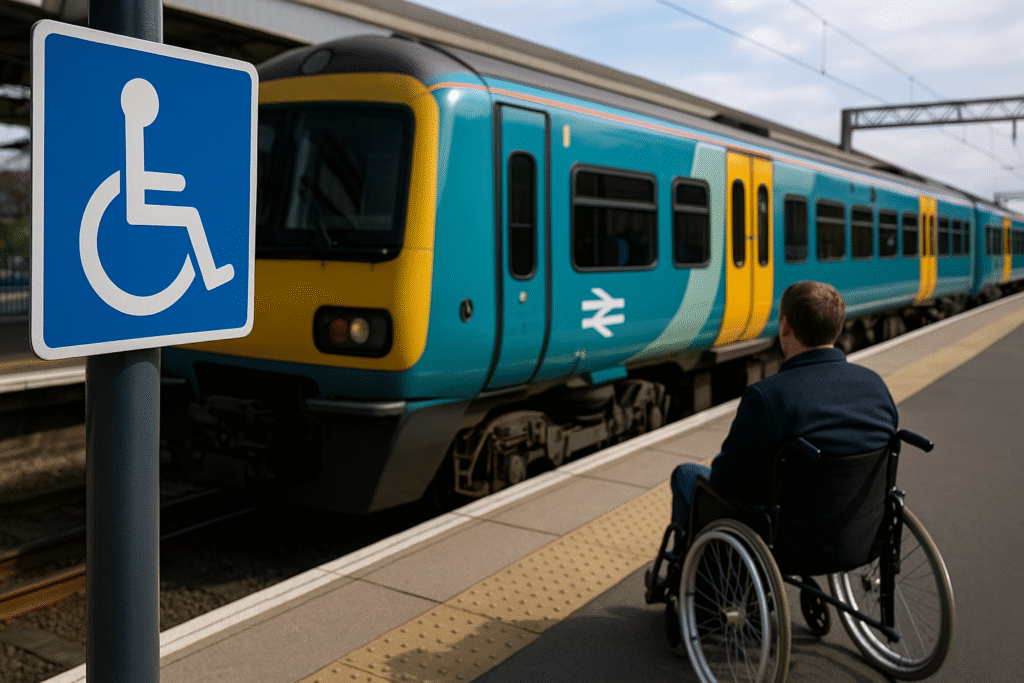
The United Kingdom’s rail industry is preparing for one of its most significant accessibility reforms in years as the Disabled Persons Railcard (DPRC) expands to welcome a wider range of passengers from 2026. This landmark change marks a pivotal moment in the country’s commitment to inclusive public transport, ensuring that both visible and non-visible disabilities are recognised and supported. With modern expectations of equality and accessibility at the forefront, the new eligibility criteria will allow thousands more people to benefit from reduced fares and greater independence while travelling across the country.
A Modernised Approach to Rail Accessibility
The revamped DPRC is part of a broader national effort to remove barriers within the UK rail network. Government departments, industry bodies, and accessibility experts have collaborated to ensure that the eligibility criteria reflect the diverse and evolving needs of disabled travellers. The changes align with national accessibility priorities, including improving station facilities, enhancing staff training, and adopting inclusive design across new and upgraded railway infrastructure.
For years, disability organisations and advocacy groups have highlighted the need for broader recognition of non-visible disabilities—such as long-term medical conditions, cognitive differences, and neurological disorders—that may significantly impact a person’s ability to navigate rail travel. The expanded DPRC finally brings policy in line with these lived experiences, offering more people the dignity and autonomy to travel affordably and confidently.
Phased Rollout to Support Passengers and Staff
To ensure clarity and a smooth transition, the new DPRC eligibility will be introduced through a two-stage rollout.
Phase One, commencing in March 2026, will allow passengers to use widely recognised documents—such as Blue Badges or mobility-related certificates—to apply for the Railcard. This step opens the door to many people with visible physical disabilities who may not have qualified previously.
Phase Two, launching in September 2026, extends eligibility further by allowing applications supported with clinical, therapeutic, or professional evidence. This includes individuals with degenerative conditions, long-term illnesses, learning disabilities, and forms of neurodiversity that affect travel confidence or mobility. By using professionally verified documentation, the system ensures fairness while acknowledging the broad spectrum of disabilities that influence rail travel experiences.
Full guidance on evidence requirements will be released before each rollout phase, giving both passengers and frontline staff the clarity they need to navigate the updated process with confidence.
Simplifying the Application Experience
A major goal of the Railcard reform is to streamline the application process. By aligning supporting documents with those commonly used across other UK accessibility schemes, the system becomes easier for passengers to understand and adopt. Fewer bureaucratic hurdles mean people can apply more quickly and with less stress—an essential aspect of inclusive service design.
Passengers will be able to apply online or by post once the new criteria take effect, with clearer instructions and a more intuitive user experience. The emphasis is firmly on reducing administrative complexity and ensuring that disabled travellers can enjoy their Railcard benefits without unnecessary delays.
Supporting Travellers and Reducing Costs
The Disabled Persons Railcard remains one of the most valuable tools for disabled passengers seeking affordable travel. It offers one-third off rail fares for the cardholder and an accompanying adult, making day trips, hospital visits, commutes, and longer leisure journeys more economical. With the rising cost of living affecting many households, expanded access to discounted travel provides essential financial relief.
On average, Railcard holders save over a hundred pounds each year, and the absence of minimum spend or time restrictions makes the card flexible for all kinds of travel needs. From city breaks to regional rail exploration, more people will now have access to meaningful savings that make travel more accessible.
A Strategic Step Toward a Fully Inclusive Railway
The expanded DPRC aligns with the UK’s long-term accessibility strategy, which includes station upgrades, improved wayfinding, better staff training, and more step-free access initiatives. The government and rail operators recognise that creating a barrier-free network is an ongoing process, and broadening Railcard access is one of several steps toward this goal.
Accessibility advocates have long emphasised that transport is more than a means of travel—it is a gateway to employment, education, healthcare, and community participation. Expanding the DPRC reinforces the principle that everyone should have equal access to these opportunities.
Looking Ahead: What Passengers Can Expect
Ahead of the 2026 rollout, passengers are encouraged to begin gathering any relevant documents they may need under the new eligibility rules. Updated information will be provided well in advance to ensure a straightforward transition for all applicants. Rail operators will also receive additional training and guidance to support consistent, compassionate service across the network.
A More Inclusive Future for UK Rail
The expansion of the Disabled Persons Railcard represents a milestone in the UK’s ongoing effort to build an accessible, customer-focused rail system. By recognising a broader spectrum of disabilities, simplifying the application process, and ensuring affordability for more travellers, the rail industry is taking meaningful steps to create a transport network that truly works for everyone.
This reform not only embraces equality and inclusivity but also strengthens the role of rail travel as a key connector across the UK—supporting tourism, everyday journeys, and the freedom to travel with dignity.
For more travel news like this, keep reading Global Travel Wire