
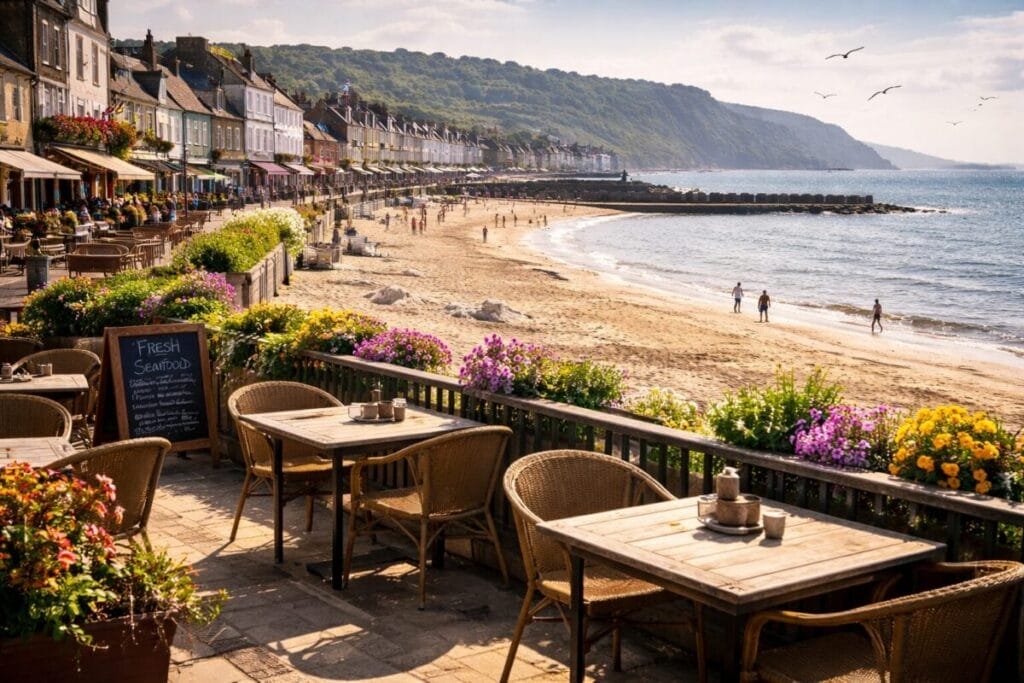
The UK staycation sector faces significant challenges in 2026 as spending on domestic holidays drops by an estimated £1.8 billion. Coastal resorts and countryside destinations report declining overnight stays as British travelers increasingly choose international vacations.
This shift reflects broader changes in travel behavior. After several years of strong domestic tourism following pandemic restrictions, many travelers now seek overseas destinations that offer perceived value and new experiences. The decline affects traditional seaside towns and rural areas that rely heavily on domestic tourism.
Industry leaders express concern about the long-term effects on local economies and tourism businesses. Smaller destinations that depend on extended stays now face reduced bookings and shorter visits.
Changing Travel Habits Reshape Domestic Tourism
Travel patterns within the UK continue to evolve. Domestic trips remain popular, but many travelers now prefer day visits instead of overnight holidays. Tourism data suggests that day trips account for a large portion of domestic travel activity, while multi-night stays decline sharply.
Several factors influence this trend. Rising accommodation prices, higher transportation costs, and increased living expenses encourage travelers to reconsider how they spend their holiday budgets. Families often compare domestic prices with international options and find overseas travel more appealing.
Affordable flights across Europe contribute to this shift. Budget airlines and expanded route networks allow travelers to reach foreign destinations at competitive prices. For many consumers, overseas holidays now feel more accessible than local stays.
Coastal and Countryside Resorts Experience Booking Slowdown
Seaside towns across regions such as the South West and North East report fewer long-term bookings compared with previous years. Rural retreats and countryside accommodations also experience reduced demand. Hotels, guesthouses, and holiday parks struggle to maintain occupancy levels during peak seasons.
Luxury accommodations face particular challenges. High operational costs force many operators to increase prices, which discourages budget-conscious travelers. Some businesses respond by offering discounts or shorter packages to attract guests.
Despite declining overnight stays, day visits remain strong. Many travelers continue to explore coastal areas for short excursions but avoid extended trips due to cost concerns. This change creates uneven revenue streams for tourism providers.
Rising Costs Influence Travel Decisions
The cost-of-living pressures in the UK play a major role in shifting travel preferences. Higher energy prices and inflation affect both travelers and tourism businesses. Accommodation providers face rising operational expenses, which often translate into higher room rates.
Additional visitor levies and local taxes add to the overall cost of domestic holidays. Travelers now evaluate value more carefully when choosing destinations. Many compare total expenses and conclude that international holidays offer better affordability.
Transportation costs within the UK also influence decisions. Train fares and fuel prices contribute to the overall expense of domestic travel. These factors collectively reduce the attractiveness of traditional staycations.
Impact on Local Economies and Tourism Communities
Smaller towns and coastal regions feel the strongest effects of declining staycation spending. Local restaurants, shops, and activity providers depend on visitor spending to support employment and economic stability. Reduced overnight stays often lead to lower revenue across multiple sectors.
Regions known for seasonal tourism, such as Cornwall and Norfolk, report slower business during periods that once attracted large numbers of domestic visitors. Tourism leaders emphasize that sustained declines could affect long-term investment and community growth.
Urban destinations like London and Edinburgh continue to attract international tourists, which provides some stability within the national tourism market. However, rural and coastal areas lack the same level of international demand, making them more vulnerable to domestic travel trends.
Industry Response and Calls for Policy Support
Tourism organizations encourage government action to support domestic travel affordability. Industry representatives suggest incentives that reduce costs for travelers and businesses. Proposals include transport discounts, regional promotions, and tax adjustments designed to encourage longer stays.
Marketing strategies also evolve to address changing traveler expectations. Tourism boards explore targeted campaigns that highlight unique regional experiences, local heritage, and outdoor activities. By promoting value-driven packages, destinations hope to attract new visitors.
Collaboration between local authorities and hospitality providers plays a key role in rebuilding momentum. Joint initiatives may help smaller destinations compete with international travel options.
Future Outlook for UK Staycations
Despite current challenges, experts believe the domestic tourism sector holds long-term potential. The UK offers diverse landscapes, historic sites, and cultural attractions that continue to appeal to travelers. Successful recovery may require new approaches to pricing, marketing, and visitor experience design.
Industry forecasts suggest that domestic tourism could rebound if affordability improves and economic pressures ease. Off-season promotions, flexible booking options, and bundled experiences may encourage travelers to reconsider local holidays.
Sustainable tourism initiatives also present opportunities. Travelers increasingly value environmentally responsible travel, which domestic destinations can offer through reduced travel distances and local experiences.
Conclusion: Navigating a Changing Tourism Landscape
The decline in UK staycation spending during 2026 reflects shifting traveler priorities and economic realities. Coastal resorts and countryside destinations must adapt to evolving consumer expectations while addressing affordability concerns.
Tourism stakeholders continue to explore solutions that encourage domestic travel and strengthen regional economies. While international holidays gain popularity, the UK’s diverse destinations still hold strong appeal. With strategic planning and innovative marketing, the staycation market may regain momentum and adapt to the changing tourism landscape.
For more travel news like this, keep reading Global Travel Wire