The UK government has issued fresh travel guidance for Peru, urging caution for all non-essential travel to specific regions of the country amid growing security concerns. The warning forms part of broader updates applying to several popular destinations as geopolitical tensions, border instability and civil unrest intensify worldwide.
What has changed in the advice?
The travel advisory for Peru now states that trips to two key areas should be considered only if essential. These are:
- The region within 20 km south of the Putumayo River on the Peru-Colombia border (in Loreto).
- The VRAEM region (Valley of the Apurímac, Ene and Mantaro Rivers) in central Peru.
These areas have heightened risk for security incidents.
Why is the warning in place?
The advisory cites serious safety and security threats. In the border zone with Colombia there are increased reports of organised crime and armed groups. In the VRAEM region, longstanding guerrilla presence and criminal activity remain potent. In addition, there is a recognised threat of terrorism affecting UK interests in Peru.
What this means for tourism hotspots
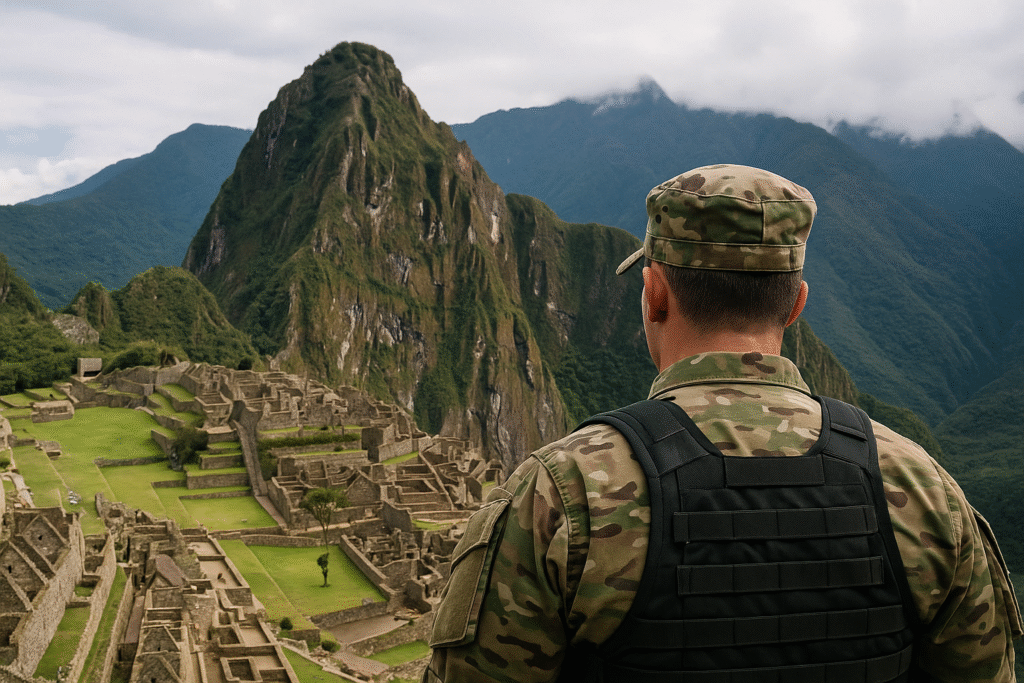
Tourist-heavy locations such as Lima, Cusco and the iconic Machu Picchu remain open and generally unaffected by the advisory. But if you plan to visit remote or unstable regions you must plan carefully. Travel insurance might be invalidated if you go against official advice.
It is vital that travellers monitor local developments, check travel insurance covers the full itinerary (including adventure activities) and ensure they stay away from the prescribed high-risk zones.
Practical travel tips
- Confirm your insurance covers all regions you intend to visit and any activities you’ll do.
- Stay away from the border zone with Colombia and the VRAEM region unless your travel is essential and you understand the risks.
- Use guided tours for more remote destinations and follow local authority and operator guidance.
- Register travel plans with your home embassy or consulate and stay abreast of local security updates.
- Avoid going off-track or into less-accessible areas without proper support.
- Even in safe areas, maintain common-sense safety practices: avoid travelling alone at night in isolated zones and keep valuables secure.
Why many travellers still go
Peru retains its worldwide appeal. From the Andean highlands and ancient Inca trails to Amazon rainforest adventures, the country offers extraordinary experiences. With the right planning and by avoiding the limited high-risk regions, many tourists continue to travel safely and enjoy iconic attractions.
Experts agree that visiting mainstream destinations with trusted operators remains viable — just don’t underestimate the value of preparation and vigilance.
What happens next?
Travel advisories such as this can evolve quickly. Political shifts, security operations or border closures can impact travel at short notice. For anyone planning a trip to Peru in the near term, it’s wise to:
- Re-check the government travel advice in the hours or days ahead of departure.
- Confirm that both your transport and lodging are operational and secure.
- Allow flexibility in the schedule in case you need to alter plans.
- Have an emergency contact or local guide you can rely on.
In short: while Peru remains an alluring tourism destination, the UK government’s updated advice underscores that it is not without risk in certain regions. By staying informed, avoiding the flagged zones and travelling with reputable support, you can still enjoy a fulfilling visit — but only if you do so with awareness and care.
For more travel news like this, keep reading Global Travel Wire