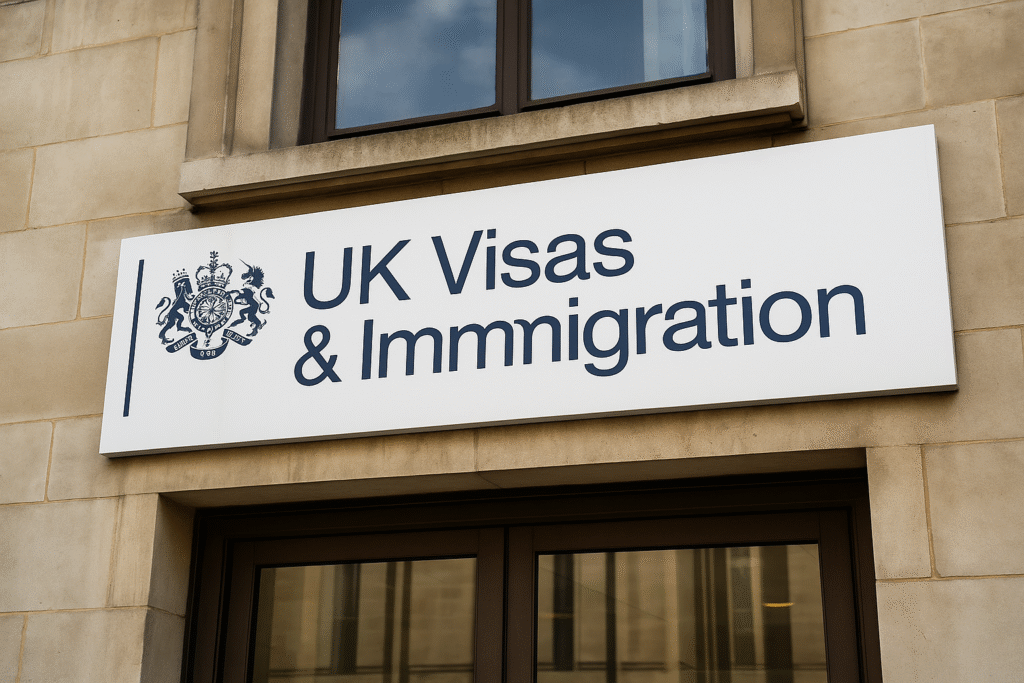
The UK has joined a growing number of countries increasing immigration and travel-related charges. The move sends ripples across travel, tourism and recruitment sectors. With new fees in place, businesses, universities and tourists face higher costs and more complex processes.
What exactly changed in the UK?
From 21 October 2025 the UK Home Office raised specific category fees: expedited processing for sponsorship management requests by about 75 % (from £200 to £350), and the priority service for sponsor licence applications by around 50 % (from £500 to £750).
Meanwhile, earlier in 2025 key visa and immigration application fees had already increased. For example, from 9 April 2025 many categories such as work, study and settlement saw higher charges.
Although visitor-visa fees for short stays remain unchanged since July, the broader cost structure for travel, immigration and business operations is elevated.
Why these rises matter for tourism
Higher immigration and travel authorisation fees can act as a deterrent for incoming visitors. Tourists often weigh total cost—including visa and travel permit fees—when choosing destinations. As one of the world’s major tourism hubs, the UK now faces a potential competitive disadvantage against countries with lower entry costs.
Business visitors and recruitments are also affected. Companies may delay travel or rethink hiring international staff if visa-related expenses and delays rise. For tourism specifically, fewer business trips or educational visits mean fewer ancillary spend-flows into hotels, restaurants and attractions.
Recruitment and higher education face fresh headwinds
Every organisation that sponsors overseas staff or students must now budget for higher immigration costs. Urgent hiring needs, tight-timelines and the need for swift decisions were often supported by priority processing. With that service now costlier, sponsors must ask: is faster worth the extra expense?
Universities recruiting international students and employers hiring skilled workers may absorb the cost or pass it on. That could reduce applications or shift them to countries with lower visa costs. A sustained drop in foreign enrolments or hires would ripple through economies and sectors reliant on global talent.
Global trend: the UK isn’t alone
The UK’s fee adjustments reflect a broader global pattern. In recent years countries such as the US, Mexico, Estonia and Nigeria have each raised immigration or travel-authorisation costs. These changes reflect increasing administrative burdens on immigration systems and a growing tendency to fund them via user charges.
As those costs rise globally, tourists and global talent confront higher barriers to mobility. For destination countries and hosting economies, that means potential loss of visitor spend or talent inflows.
Facing the future: what travellers and recruiters should know
- For travellers: Check current visa/entry-permit costs before planning trips. Hidden fees or premium processing surcharges can substantially raise your budget.
- For businesses and universities: Review your global mobility strategy. Expedited processing may now require a higher cost-benefit calculation. Consider longer lead times rather than paying premium fees.
- For tourism operators and policy-makers: With travellers more cost-sensitive, promoting value-for-money becomes critical. Lowering non-visa barriers such as speed of entry and clarity of rules could help offset higher fees.
Impact outlook
In the short term, the UK may see fewer short-stay visitors from countries where entry costs just increased. Business travel and international student movement may also slow down. Over the medium term, the fee hikes may contribute to reshaped migration flows and destination choices.
Tourism bodies and international recruiters will need to adapt to this environment of higher cost and complexity. The new fee regime signals that global mobility is entering a more expensive phase, where cost and convenience will weigh more heavily in traveller and employer decisions.
With these developments in mind, the UK’s higher immigration and travel fees mark a turning point in global mobility—one where cost is becoming an ever-more critical factor in tourism, education and recruitment.
For more travel news like this, keep reading Global Travel Wire