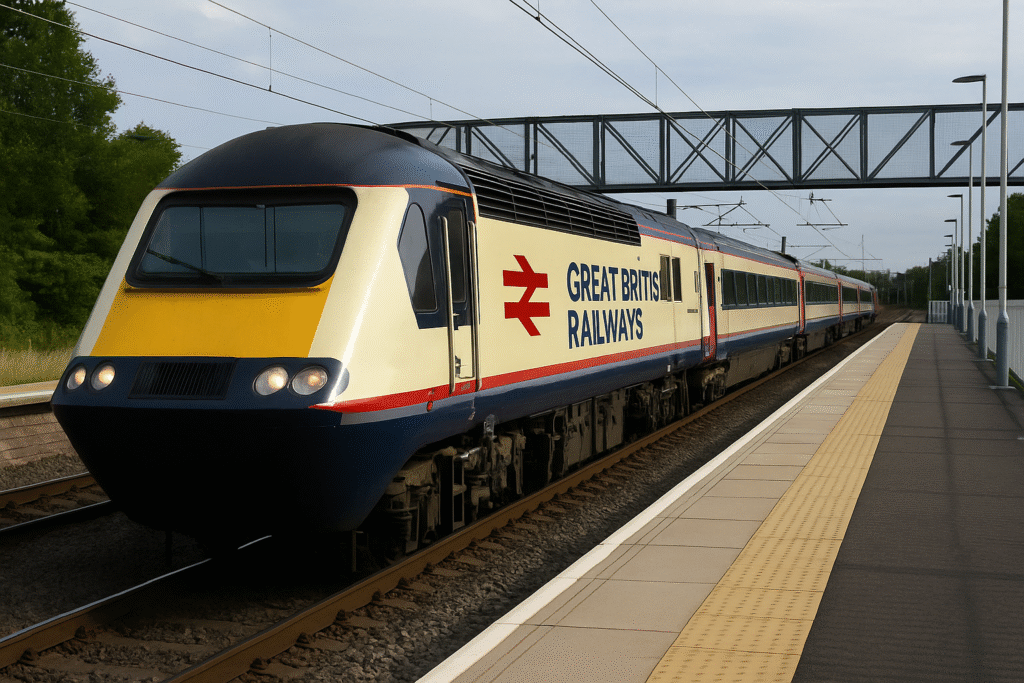
The United Kingdom has launched a landmark transformation in national travel with the introduction of the Railways Bill. This bold legislation reshapes how the country’s railways operate and places passenger needs at the core of its mission.
The bill establishes Great British Railways (GBR), a publicly owned organization that will manage both rail infrastructure and passenger services. The goal is simple: to unify a fragmented system, improve reliability, simplify ticketing, and deliver a more connected experience for travellers.
The plan sets a new standard for efficiency and accountability across the network. By combining the responsibilities of existing bodies into one central authority, GBR aims to create a smoother, more transparent, and user-friendly railway system.
Simplifying Travel Across the Nation
For years, passengers have faced confusion caused by separate operators, inconsistent fares, and complex ticketing systems. The new bill directly tackles this problem. Under GBR, travellers will use a single platform to plan routes, book tickets, and access real-time information.
A modern mobile app will serve as the heart of this system. Passengers will be able to view train schedules, compare prices, and manage journeys from one convenient source. This integration will eliminate overlapping systems and make rail travel more convenient and accessible for everyone—from commuters to tourists.
The new approach will also streamline timetables and reduce delays. GBR’s unified control means better coordination between operators, maintenance teams, and scheduling staff. With a focus on punctuality and consistency, the aim is to rebuild confidence in the national railway system.
Prioritizing Passenger Experience
The Railways Bill introduces a stronger framework for passenger rights. A new watchdog will monitor service quality and hold operators accountable for disruptions and poor performance. This ensures that travellers have a clear voice when issues arise and that rail companies respond quickly to complaints.
Customer service standards will be reviewed across the network. Stations and trains will undergo upgrades to provide cleaner facilities, better seating, and more accessible layouts. Every journey should feel comfortable, reliable, and stress-free.
Modernizing Fare and Ticketing Systems
GBR will oversee a complete overhaul of the ticketing structure. The reform replaces the outdated system of multiple vendors with a single, transparent platform. Travellers will enjoy simpler pricing, flexible options, and fairer fares across routes.
The new model will make it easier to buy digital tickets and remove the confusion surrounding paper passes and regional pricing differences. It also supports integration with buses, trams, and metro systems, encouraging seamless multimodal travel across the country.
This shift towards modern ticketing is designed to save time, reduce queues, and help travellers make informed decisions when planning trips.
Strengthening Regional and Freight Services
The Railways Bill gives local governments and mayors more control over regional services. This decentralization ensures that each region can design rail solutions that suit its unique travel patterns. Improved coordination between local authorities and GBR will enhance access in both urban and rural areas.
The freight sector will also benefit. GBR will manage capacity and scheduling for cargo services, allowing smoother coordination with passenger trains. By improving freight efficiency, the reform supports local businesses, boosts supply chains, and reduces congestion on the nation’s roads.
Improving Accessibility for All Travellers
Accessibility remains a major focus of the bill. The government has pledged to make Britain’s railways inclusive and barrier-free for everyone. Plans include upgrading stations with lifts, ramps, and tactile paving, ensuring that disabled travellers can move freely and safely.
Training programs will equip staff with the skills needed to assist passengers with diverse needs. The eligibility for discounted travel cards for disabled passengers will also expand, offering more affordable access to rail transport.
New “Welcome Points” will be introduced at key stations, where trained staff can provide guidance and assistance. The long-term goal is to ensure that every station in the UK offers a welcoming and accessible environment.
Driving Growth Through Modern Rail
The Railways Bill supports the UK Government’s wider strategy for national growth, innovation, and sustainability. A modern rail system will not only enhance travel but also drive regional development, create jobs, and attract investment.
By cutting delays and boosting reliability, the new network will strengthen business connections between cities and regions. It will also support tourism by making it easier for visitors to explore destinations across the country—from London and Manchester to Edinburgh and Cardiff.
Rail remains one of the most sustainable forms of transport. The government plans to expand electrification, invest in cleaner trains, and reduce emissions across the network. This focus on green infrastructure aligns with the country’s environmental goals and commitment to a low-carbon future.
A Brighter Future for Rail Travel
The creation of Great British Railways marks the most significant change to the UK’s rail system in a generation. The Railways Bill introduces a unified model that places efficiency, sustainability, and passengers at the heart of every decision.
For travellers, this means faster journeys, simpler ticketing, and better customer care. For communities, it means stronger connections and economic growth. And for the nation, it marks a major leap towards a future where rail travel is reliable, inclusive, and environmentally responsible.
The UK is on track to transform its railways for the modern era—one where every journey is smoother, every station more accessible, and every passenger valued.
For more travel news like this, keep reading Global Travel Wire