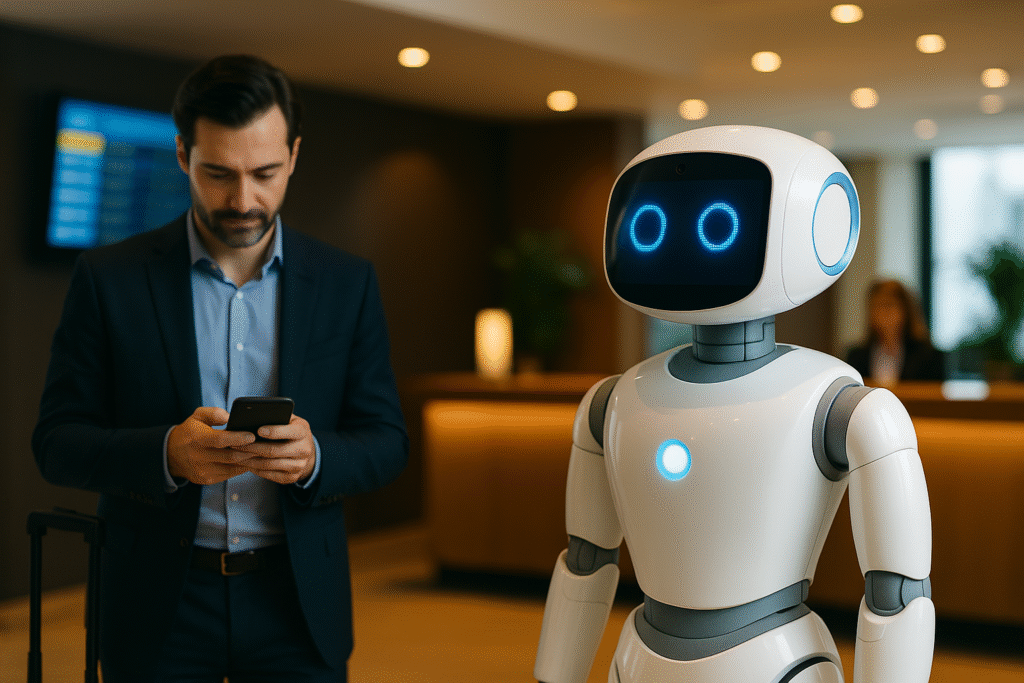
The travel and hospitality industry in the United States is undergoing a rapid transformation with the rise of Agentic AI in travel. This breakthrough technology is reshaping the way companies serve their guests by going beyond simple automation. Instead of just responding to requests, Agentic AI predicts traveler needs, offering seamless and highly personalized services that elevate the overall travel experience.
What Is Agentic AI in Travel?
Agentic AI in travel is a form of artificial intelligence designed to learn from traveler behavior and preferences. It does more than answer basic questions. It acts as a proactive partner throughout the journey.
Unlike traditional systems that wait for customer instructions, Agentic AI takes action in real time. It can suggest booking changes, recommend activities, or adjust itineraries before the traveler even asks. From flights to hotels and local tours, this technology ensures every detail matches the traveler’s expectations.
By combining behavioral data with real-time insights, Agentic AI in travel enables companies to deliver experiences that feel tailor-made for every individual.
How AI Enhances Guest Services
One of the most exciting aspects of Agentic AI in travel is its ability to transform guest services. Travelers no longer need to repeat preferences or worry about missed details. Instead, the system remembers previous choices and adapts future services accordingly.
- Real-Time Recommendations: Guests may receive timely suggestions for upgrades, spa packages, or guided tours based on their past stays.
- Dynamic Pricing: Hotels and airlines can adjust pricing instantly using data from booking trends, competitor rates, or even local weather conditions.
- Custom Experiences: Travelers receive curated restaurant lists, activity options, or cultural events aligned with their personal tastes.
These AI-powered services create a sense of luxury and exclusivity, making every traveler feel valued and understood.
AI Streamlining Operations
AI in hospitality does not only benefit guests. It also improves efficiency behind the scenes. By automating many routine processes, Agentic AI helps businesses reduce waste and enhance coordination.
For example, airlines can adjust seat availability based on hotel demand, while hotels can align services with local event schedules. This type of interconnected planning reduces errors and ensures smoother guest experiences.
Another advantage is automated upselling. During check-in or booking, AI can suggest add-ons like premium seating, extended stays, or custom dining experiences. Each interaction becomes an opportunity to increase satisfaction and revenue.
The Role of Autonomous Travel Agents
Autonomous travel agents powered by Agentic AI are becoming an essential part of the travel industry. These virtual assistants can manage bookings, track schedules, and even solve problems without human intervention.
- Seamless Coordination: They synchronize flight changes, hotel bookings, and car rentals, ensuring the trip runs without disruption.
- Proactive Problem Solving: If a delay or cancellation occurs, the agent immediately offers alternative solutions, reducing stress for travelers.
These features highlight the value of autonomous travel agents as partners, not just tools. They allow travelers to focus on their experience while the AI handles logistics.
Driving Revenue with Smarter Personalization
Agentic AI in travel is also a powerful driver of revenue growth. Traditional revenue systems often react to changes, while AI anticipates them. This proactive approach ensures businesses stay ahead of market shifts.
- Dynamic Offers: AI adjusts prices based on demand, ensuring competitive rates while maximizing profit.
- Tailored Promotions: Guests receive targeted deals that reflect their interests, such as adventure packages for thrill-seekers or cultural tours for history lovers.
This balance of personalization and profitability strengthens brand loyalty while boosting long-term revenue.
The Future of Agentic AI in Travel
As adoption of AI in hospitality expands, the future points toward fully personalized and integrated travel ecosystems. Businesses will use Agentic AI to coordinate entire journeys, from flight bookings to hotel checkouts.
Travelers will experience seamless itineraries where every decision is optimized for convenience, comfort, and enjoyment. With each trip, the system will learn more about preferences, creating an even more refined experience the next time.
AI-driven innovations will continue to evolve. Future applications may include enhanced forecasting tools, deeper data analysis, and even smarter dynamic pricing strategies. The result will be a highly adaptive industry where services align with traveler needs instantly.
The United States as a Leader in Travel AI
The United States is driving this revolution by adopting Agentic AI technologies across airlines, hotels, and tourism services. With a global influence in hospitality, the country sets the pace for how travel evolves worldwide.
Government tourism reports show rising demand for digital solutions in both domestic and international travel. By embracing AI-powered personalization and operational efficiency, the U.S. industry positions itself as a leader in next-generation tourism.
Conclusion
Agentic AI in travel is more than a passing trend—it represents the future of hospitality. By predicting needs, automating operations, and delivering ultra-personalized services, this technology creates unmatched travel experiences.
Autonomous travel agents, real-time recommendations, and dynamic pricing are now transforming the way travelers plan and enjoy their journeys. Companies benefit from increased efficiency and revenue, while guests enjoy smooth, tailored experiences.
As adoption grows, the United States remains at the forefront of this shift. With Agentic AI in travel becoming the global standard, the industry moves toward a smarter, faster, and more enjoyable era for all travelers.
For more travel news like this, keep reading Global Travel Wire