Travelers today want meaningful experiences without long journeys. Across Africa, a new wave of micro-destinations is offering just that—quick escapes rich in nature, culture, and history. From forests to lakeside retreats, ancient caves to cultural villages, these remarkable spots sit within an hour of major cities. They deliver calm, adventure, and authenticity in ways traditional tourist hubs often cannot.
Below is a look at four standout destinations—Karura Forest near Nairobi, Lake Muhazi near Kigali, the Cradle of Humankind near Johannesburg, and Kumbali Cultural Village near Lilongwe. Each unveils a unique side of Africa, waiting to be explored.
Karura Forest: Nairobi’s Green Refuge
Karura Forest rests only minutes north of Nairobi, making it one of Africa’s most accessible natural escapes. Spread across more than 1,000 hectares, it offers a striking contrast to the city’s busy pace. Its wide network of trails makes it perfect for walkers, joggers, and cyclists seeking fresh air and quiet.
Visitors can stroll through towering trees, explore bamboo thickets, and relax beside waterfalls and scenic ponds. The Mau Mau caves offer a glimpse into Kenya’s fight for independence, adding historical depth to the forest experience. Birdwatching and butterfly spotting round out the activities for wildlife lovers.
The River Café provides a peaceful place to enjoy coffee or a light meal. Families, groups, and solo travelers find Karura an easy and refreshing escape, showing how nature and city life can coexist beautifully.
Lake Muhazi: Rwanda’s Lakeside Calm
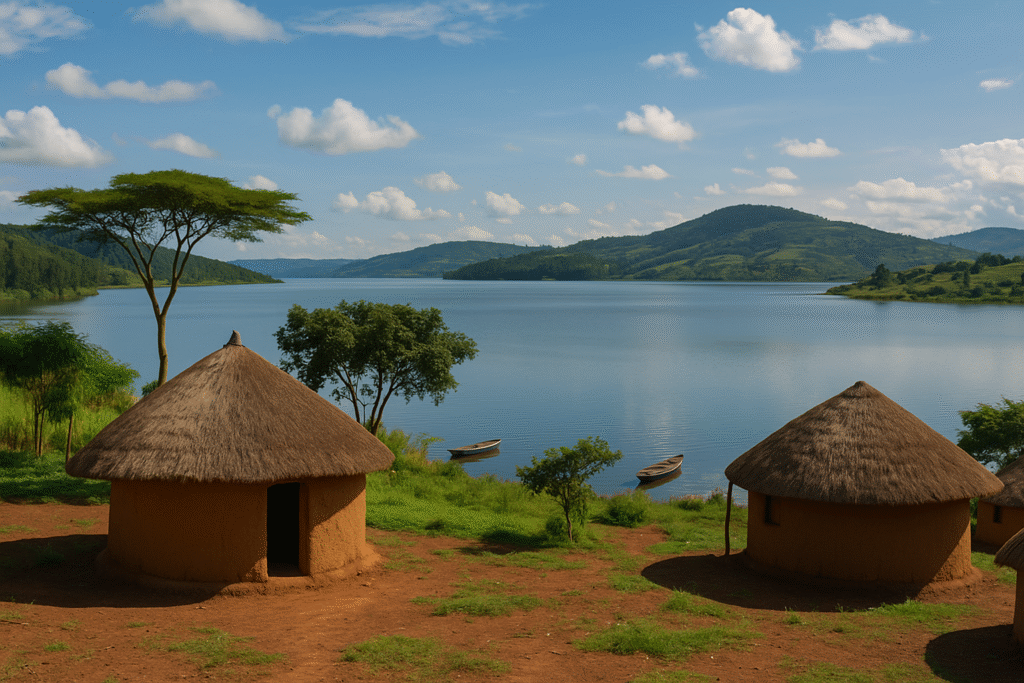
Just under an hour east of Kigali, Lake Muhazi offers gentle landscapes and a tranquil atmosphere ideal for rest and slow travel. The long, narrow lake is known for its calm waters and picturesque views, making it a favorite for weekend retreats.
Visitors can enjoy canoeing, paddle boating, or fishing. Many choose simply to relax by the shoreline while taking in the stillness that defines the area. Eco-friendly lodges around the lake offer comfortable stays without disturbing the natural surroundings.
Lake Muhazi remains less visited than Rwanda’s larger lakes, which makes it perfect for couples, families, and nature lovers seeking peace without crowds. With its soothing scenery and quiet pace, it embodies Rwanda’s growing reputation for sustainable, nature-based tourism.
Cradle of Humankind: A Journey Into Human Origins
About 50 kilometers from Johannesburg lies the Cradle of Humankind, one of Africa’s most significant archaeological sites. This UNESCO World Heritage Site is home to the Sterkfontein caves, where some of the oldest known human fossils were discovered. These finds helped shape our understanding of human evolution.
Visitors can explore the caves with guides who explain their history and scientific importance. Interactive exhibits at the visitor center make the experience engaging for adults and children alike. The area also features hiking trails, scenic viewpoints, and outdoor activities that complement the historical journey.
This destination combines education and adventure, making it an ideal day trip for history enthusiasts, families, and anyone curious about humanity’s earliest roots.
Kumbali Cultural Village: Living Heritage Near Lilongwe
Just outside Malawi’s capital, Lilongwe, Kumbali Cultural Village offers a vibrant window into Malawian tradition. The village showcases local crafts, dance, music, and storytelling, giving visitors a chance to experience authentic Malawian culture in an intimate setting.
Guided tours explain local customs, agricultural practices, and community life. Artisans demonstrate pottery, weaving, and woodcarving, allowing guests to learn directly from skilled creators. Performances of traditional music add to the lively atmosphere.
The village supports local livelihoods while giving travelers meaningful cultural engagement. It provides an enriching alternative to typical city attractions and appeals to anyone eager to explore Malawi’s deep cultural roots.
Why These Micro-Destinations Are Thriving
These destinations prove that remarkable travel experiences do not always require long trips. Each sits close to a major city, making them ideal for quick getaways. They appeal to modern travelers who want trips with purpose—whether that means reconnecting with nature, learning about human history, or immersing in vibrant local culture.
Micro-destinations also help ease pressure on overvisited tourist sites, creating a more balanced tourism landscape. As weekend travel and short breaks grow in popularity, such destinations become even more valuable.
A Sustainable Future for African Tourism
Sustainability is shaping global travel, and these micro-destinations support that shift. Places like Lake Muhazi and Kumbali Cultural Village encourage low-impact tourism and community participation. Karura Forest and the Cradle of Humankind help conserve natural and historical environments while offering educational value.
By spreading tourism across smaller regions, local economies benefit, and natural areas remain protected. This approach supports long-term preservation and creates new opportunities for responsible travel.
The New Way People Travel
The rise of micro-destinations reflects a broader change in travel behavior. Today’s travelers want simple, meaningful experiences. They seek nature, peace, culture, and heritage—without lengthy journeys or overcrowded attractions.
From Nairobi to Lilongwe, these hidden gems offer exactly that. They combine convenience with enrichment, making them perfect for short escapes that revitalize and inspire. As more travelers discover them, Africa’s micro-destinations may soon become some of the continent’s most beloved travel experiences.
For more travel news like this, keep reading Global Travel Wire