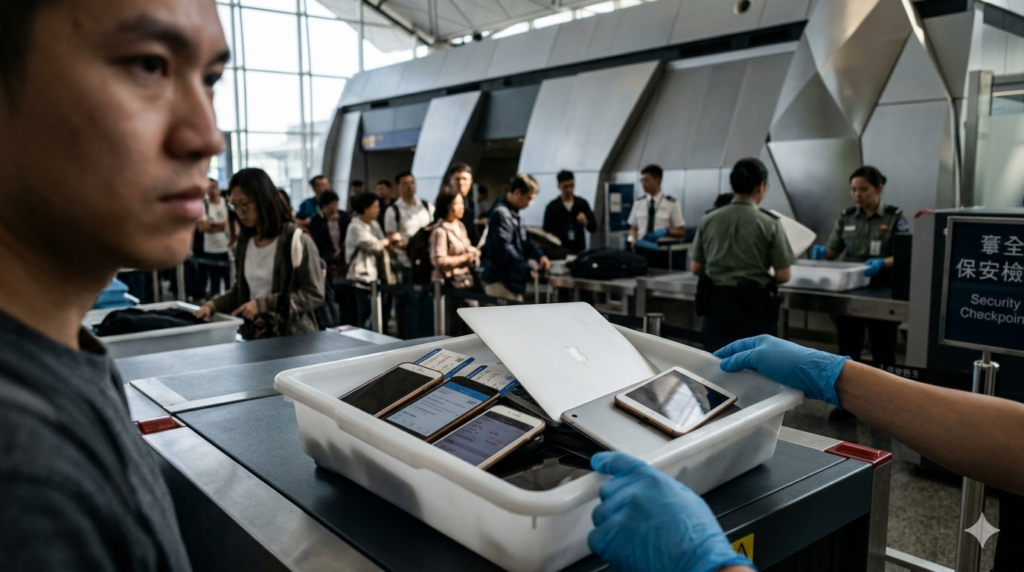
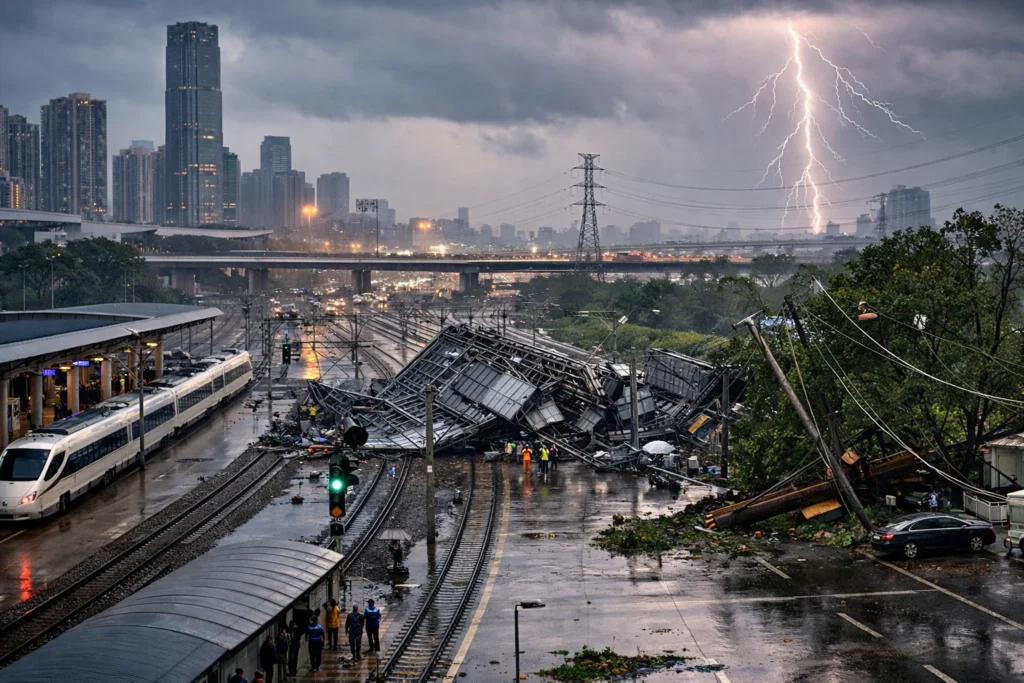
The U.S. Department of State has issued a new global travel advisory that now includes the United Kingdom, Antarctica, Saudi Arabia, South Africa, Italy, Belgium, and Turkey among countries where travelers should exercise increased caution. The advisory highlights heightened risks related to terrorism, political instability, environmental hazards, and travel restrictions.
These warnings come as global travel continues to expand, with more Americans venturing abroad for business and leisure. The updated advisory serves as a reminder that even popular tourist destinations can present evolving safety challenges. Travelers are urged to remain alert, follow local laws, and plan for emergencies before heading overseas.
UK: Increased Terrorism Risk in Major Cities
The United Kingdom remains a top destination for American tourists, but security agencies have warned of potential terrorist activity targeting crowded areas. The U.S. advisory urges travelers to stay cautious in London, Manchester, and other metropolitan centers, particularly around transportation hubs, shopping districts, and major events.
Authorities stress the importance of situational awareness and avoiding large gatherings that may be vulnerable to attacks. Tourists should register with the Smart Traveler Enrollment Program (STEP) to receive updates and alerts. Travelers are also encouraged to keep emergency contacts accessible and monitor local media for any breaking developments.
Antarctica: Environmental Hazards in Remote Conditions
The inclusion of Antarctica in the latest advisory underscores the region’s unique environmental challenges rather than geopolitical concerns. While the icy continent offers breathtaking natural beauty, it also presents life-threatening conditions for the unprepared traveler.
The U.S. government advises that Antarctica lacks formal consular support, and rescue operations can be limited. Tourists planning expeditions should work only with certified guides and licensed operators under the International Association of Antarctica Tour Operators (IAATO). Travel insurance that includes medical evacuation coverage is essential, as the harsh terrain and unpredictable weather can isolate travelers quickly.
The State Department recommends carrying emergency supplies, communication equipment, and proper cold-weather gear for all expeditions.
Saudi Arabia: Missile and Drone Threats Heighten Risk
Saudi Arabia continues to attract business and pilgrimage travelers, but the region faces growing security concerns. The U.S. advisory warns of missile and drone attacks, particularly in the southern provinces near the Yemen border. Cities such as Najran and Qatif remain sensitive areas due to proximity to ongoing regional conflicts.
Travelers should avoid these high-risk zones and maintain awareness in major cities like Riyadh and Jeddah. In addition, visitors are reminded that strict local laws apply in Saudi Arabia. Actions deemed offensive on social media, possession of alcohol, or the display of prohibited materials can result in severe penalties.
The U.S. government advises travelers to respect local customs, avoid public demonstrations, and refrain from photography near sensitive sites.
South Africa: Safety Concerns Due to Violent Crime
South Africa offers remarkable natural beauty and cultural diversity, but it also struggles with violent crime and kidnapping. The U.S. Department of State urges travelers to exercise caution, especially in Johannesburg, Durban, and Cape Town during nighttime hours.
Incidents such as carjackings, robberies, and “smash-and-grab” thefts occur frequently in urban areas. Tourists are advised not to display valuables and to keep car doors locked at all times. The risk of kidnapping for ransom has increased, particularly for foreigners perceived as wealthy.
Visitors should stay in reputable accommodations, avoid walking alone after dark, and consult hotel staff about local safety concerns. Travel insurance that covers medical evacuation and theft protection is strongly recommended.
Italy: Caution in Crowded Tourist Areas
The U.S. advisory for Italy highlights risks in major tourist hubs such as Rome, Milan, Venice, and Florence. The threat of terrorism remains a concern, especially in crowded areas and transport stations.
Travelers should stay alert during public gatherings, festivals, or sporting events. Pickpocketing and petty theft are common in tourist-heavy areas, particularly around landmarks like the Colosseum, Vatican City, and train stations.
The advisory also warns against participating in unauthorized protests or purchasing counterfeit goods. Tourists should secure belongings, use licensed taxis, and avoid remote areas at night.
Belgium: Continued Terrorism Concerns in Urban Centers
Belgium remains on high security alert due to ongoing terrorism threats, especially in Brussels, which hosts both the European Union and NATO headquarters. Authorities caution that attacks could occur without warning in public venues like markets, shopping malls, or transit systems.
Travelers should avoid political demonstrations and remain aware of their surroundings. Emergency alerts and local guidance should be followed at all times. Travelers are also encouraged to enroll in STEP to receive safety updates directly from the U.S. Embassy in Brussels.
Turkey: Political Unrest and Terrorism in Border Areas
The U.S. advisory for Turkey urges travelers to remain cautious in regions affected by political unrest and terrorism, particularly near the Syrian border. Provinces like Sirnak and Hakkari are considered high-risk zones due to militant activity.
Although tourist destinations such as Istanbul, Cappadocia, and Antalya remain open and safe for most visitors, protests and demonstrations in urban areas can escalate rapidly. Travelers should avoid large gatherings and refrain from political discussions in public or online.
U.S. citizens have faced arbitrary detention for actions deemed critical of the Turkish government, making it vital for visitors to respect local regulations and avoid sensitive topics.
Preparing for Safe International Travel
The latest travel advisory reflects the growing complexity of global travel. With evolving security challenges and environmental risks, preparation is key. Travelers are advised to:
- Check official advisories before booking flights.
- Enroll in STEP for real-time alerts.
- Purchase comprehensive travel insurance, including evacuation coverage.
- Follow local laws and avoid political gatherings.
- Stay aware of regional weather and security updates.
Whether visiting Europe, the Middle East, or the polar regions, staying informed and alert can make the difference between a smooth trip and a dangerous situation.
Conclusion: Awareness and Caution Define Global Travel
The inclusion of countries like the UK, Antarctica, Saudi Arabia, Italy, Belgium, Turkey, and South Africa in the U.S. travel advisory underscores the need for responsible travel planning. Each destination offers unique experiences but also presents specific risks that demand vigilance.
By staying informed, following local laws, and maintaining preparedness, travelers can continue to explore the world safely, even amid global uncertainty. As international tourism rebounds, smart, cautious travel remains the best path to memorable and secure journeys.
For more travel news like this, keep reading Global Travel Wire