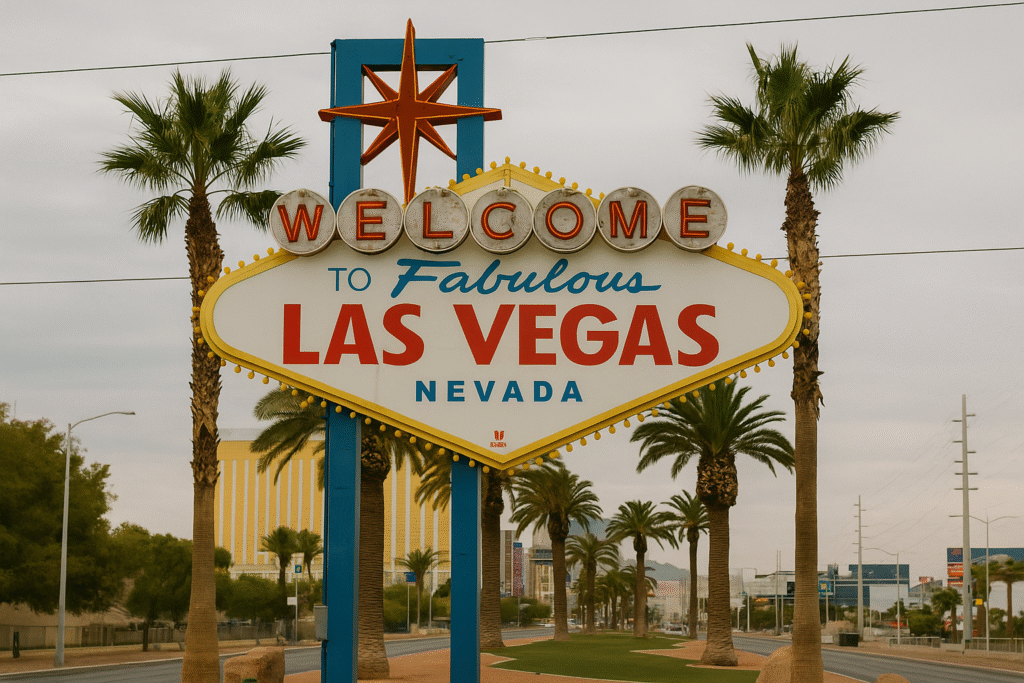
The United States, long celebrated as one of the world’s top travel destinations, is facing a steep drop in international visitors in 2025. Forecasts indicate that over 67 million travelers may be lost due to a mix of stricter visa regulations, heightened immigration controls, and growing geopolitical tensions surrounding travel restrictions. This downturn poses a significant challenge not only to the tourism sector but also to the broader U.S. economy, which relies heavily on international tourism for billions in annual revenue.
The decline underscores how political policies and perceptions of inclusivity directly influence global travel behavior. Once viewed as the world’s most accessible and aspirational destination, the U.S. now finds itself grappling with an image problem—one marked by complex visa processes, long waiting times, and a less welcoming atmosphere for international travelers.
Stricter Visa Policies Threaten Accessibility
At the heart of this tourism slump lies the tightening of visa and immigration rules, a process that began years ago and has since intensified. Travelers from countries such as India, China, and several Middle Eastern nations face lengthy delays in visa processing. U.S. embassies and consulates, struggling with staff shortages and administrative backlogs, have seen wait times for tourist visas extend beyond 300 days in some regions.
Additionally, increased scrutiny during background checks, including mandatory reviews of applicants’ social media accounts, has made the process both more invasive and intimidating. The changes have discouraged not only tourists but also students, business travelers, and visiting family members.
Family reunification cases—previously a strong source of short-term travel—have also declined sharply, with applicants facing long processing times and new documentation requirements. Together, these developments have created a perception that visiting the United States is no longer simple or hospitable.
Geopolitical Tensions and Travel Bans Deter Visitors
Geopolitical disputes and travel bans continue to shape travel trends in 2025. The legacy of the “Muslim Ban” and subsequent restrictions on citizens from certain African and Asian nations have left long-lasting damage to the U.S.’s image as an open and inclusive destination.
Beyond the bans, global tensions have escalated over trade disputes and diplomatic rifts with major nations such as China and Russia. The effects have rippled into tourism, with travelers from affected countries expressing concerns over potential discrimination, security hassles, and visa denials.
This decline is particularly evident among visitors from key tourism markets like China, India, South Korea, and Mexico, which traditionally contribute a large share of international arrivals. In addition, economic slowdowns and tariff disputes have made travel to the U.S. more expensive, further reducing demand from middle-class travelers in emerging economies.
Strong Dollar and Inflation Reduce Affordability
While geopolitical and immigration factors play a central role, economic pressures are also weighing heavily on inbound travel. The U.S. dollar’s strength against major global currencies makes visiting the country costlier than ever. Tourists from nations with weaker currencies—such as Brazil, South Africa, and Indonesia—now face inflated costs for flights, hotels, and dining.
For many travelers, this shift has made Europe and Asia more appealing alternatives. In contrast, for U.S. tourism, it means fewer bookings in major cities such as New York, Los Angeles, and Miami, where international spending has long driven the hospitality and retail sectors.
Impact on International Student Travel
The decline extends beyond leisure tourism. International students, a key component of long-term tourism and economic engagement, are also turning away from the United States. Between 2024 and 2025, student visa approvals dropped by nearly 20%, with India and China—two of the largest student markets—seeing sharp declines.
Visa denials, long waiting times, and perceptions of political hostility are pushing students to explore friendlier education destinations like Canada, Australia, and the UK. This shift represents a significant loss for the U.S. economy, as international students contribute tens of billions annually through tuition, housing, and living expenses.
Moreover, the cultural exchange that international students bring—once a hallmark of American soft power—is weakening. This reduction in global academic engagement has long-term implications for both education and tourism.
Negative Global Perception of the U.S. as a Travel Destination
Public perception is becoming a critical challenge. According to global tourism reports, the United States is now viewed by many international travelers as less welcoming due to heightened border security, frequent policy changes, and reports of harsh treatment at entry points.
Many tourists now perceive destinations such as Spain, Italy, Japan, and Canada as more open, friendly, and easier to navigate. For countries competing for the same pool of international travelers, this shift represents a golden opportunity, while the U.S. risks losing billions in tourism revenue.
Cultural diplomacy—once a defining feature of U.S. tourism marketing—has also waned. Where the U.S. once exported a sense of freedom and excitement, travelers now associate it with bureaucracy and unpredictability. The impact of this reputational decline is already being felt across airlines, hotels, and retail industries.
Economic Repercussions Across the Tourism Sector
The potential loss of 67 million visitors in 2025 could translate into tens of billions in lost revenue for key sectors.
- Hospitality: Hotels and resorts in popular destinations such as Orlando, San Francisco, and Las Vegas are already reporting lower occupancy rates from international guests. In 2024, overseas tourists spent $32 billion on accommodations; that figure is expected to fall by at least 15% in 2025.
- Retail and Luxury Sales: International visitors are known for their high retail spending, especially on luxury goods, electronics, and branded apparel. With fewer tourists, flagship shopping districts like Fifth Avenue in New York and Rodeo Drive in Los Angeles will likely see sales declines.
- Aviation: U.S.-based airlines like Delta, American Airlines, and United are anticipating route reductions due to weaker demand on international segments. Lower inbound traffic also means less revenue for airports and tourism infrastructure.
- Local Economies: Cities dependent on international visitors—especially those centered on attractions like Disney World or national parks—are expected to face job losses in hospitality, dining, and tour operations.
The downturn extends beyond direct spending: the reduction in visitor numbers affects employment, tax revenue, and investment in tourism infrastructure.
Can Policy Changes Reverse the Trend?
Industry experts suggest that a turnaround will require proactive government and diplomatic measures. Streamlining visa processing, increasing staffing at U.S. consulates, and relaxing travel restrictions could help restore visitor confidence.
Efforts are also underway to rebuild diplomatic ties with major travel markets such as India, China, and the European Union, focusing on reestablishing cultural and economic exchanges. Rebranding the U.S. as a welcoming, diverse, and inclusive destination will be essential in regaining global trust.
Competing Destinations on the Rise
As the U.S. grapples with these challenges, other nations are stepping in to fill the gap. Canada, the UK, and EU countries are benefiting from the decline in American tourism by offering easier visa policies and friendlier travel environments. Similarly, Southeast Asian nations like Thailand, Vietnam, and Indonesia are attracting a growing share of international travelers through affordable travel packages and simplified entry processes.
These nations not only provide economic alternatives for tourists but also promote values of inclusivity and hospitality—traits that once defined U.S. tourism leadership.
A Crossroads for U.S. Tourism
The sharp decline in U.S. tourism projected for 2025 marks a defining moment for the industry. The combination of restrictive policies, political uncertainty, and economic factors has created the perfect storm for a historic downturn.
While recovery is possible, it will require a strategic shift in policy, perception, and diplomacy. The United States must reassert itself as an open, innovative, and inviting destination—one that welcomes visitors rather than deters them. Only through a renewed focus on global engagement and hospitality can the U.S. hope to reclaim its place as the world’s preferred travel destination.
For more travel news like this, keep reading Global Travel Wire