The escalating conflict between the United States and Venezuela has triggered serious global travel warnings. Several major governments now urge citizens to avoid travel to Venezuela. Rising violence, political instability, and security breakdowns have created a dangerous environment for visitors. Tourism authorities worldwide are closely monitoring developments as risks continue to grow.
January Escalation Sparks International Alarm
Early January 2026 marked a critical turning point. US military operations struck strategic targets in Venezuela. Authorities detained President Nicolás Maduro shortly after. These events sparked protests, armed confrontations, and sudden security crackdowns. Airports, roads, and public services faced immediate disruption. The unstable situation prompted urgent international responses.
Germany Warns of Severe Security Threats
Germany issued a strong travel warning following the escalation. Officials urged citizens to avoid all non-essential travel to Venezuela. Authorities cited violent crime, arbitrary arrests, and unpredictable military activity. Demonstrations often turn violent without warning. German officials also warned that consular assistance remains limited during emergencies. Travelers face risks from transport disruptions and sudden border closures.
Italy Highlights Crime and Health Dangers
Italy followed with firm guidance urging citizens to stay away from Venezuela. Officials emphasized widespread criminal activity targeting foreigners. Kidnappings, robberies, and extortion incidents remain common. Italy also highlighted healthcare shortages across the country. Hospitals face limited supplies and unreliable power. Transportation hubs, including major airports, pose elevated safety risks.
Canada Advises Against All Travel
Canada issued one of the strongest advisories. Officials warned citizens not to travel to Venezuela under any circumstances. Authorities cited political unrest, armed violence, and economic collapse. Canadian officials also noted limited diplomatic presence on the ground. Emergency support options remain scarce. Shortages of food, fuel, water, and medicine worsen daily life and complicate travel safety.
Australia Flags Detention and Violence Risks
Australia warned citizens to avoid Venezuela entirely. Officials stressed risks of arbitrary detention involving foreign nationals. Armed groups operate openly in major cities. Border regions remain extremely dangerous due to smuggling and organized crime. Australians currently in Venezuela received advice to remain indoors and avoid all unnecessary movement. Medical services often fail during emergencies.
United Kingdom Issues Comprehensive Alert
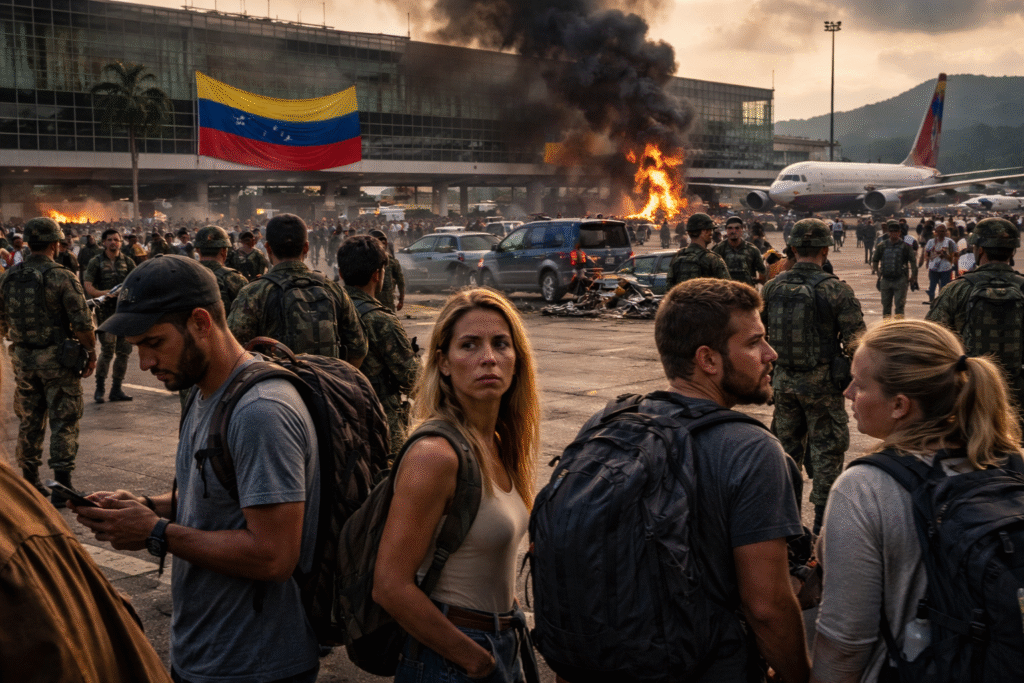
The United Kingdom issued a detailed travel warning advising against all travel to Venezuela. Officials cited rising crime, airport dangers, and transport risks. Violent incidents near major airports occur frequently. The advisory urged travelers to avoid night travel and public transportation. Political demonstrations often escalate quickly and draw aggressive security responses.
Tourism Sector Suffers Immediate Impact
The crisis has sharply reduced international travel to Venezuela. Airlines have suspended routes or reduced schedules. Travel insurance providers have limited coverage options. Tour operators have removed Venezuela from itineraries. Hotels and tourism businesses face closures and layoffs. The tourism workforce continues to struggle under prolonged instability.
Regional Ripple Effects Raise Concern
The conflict impacts neighboring countries as well. Airspace disruptions affect regional flight networks. Cruise operators have rerouted ships away from Venezuelan ports. Caribbean and South American travel routes now face uncertainty. Regional tourism boards adjust marketing strategies amid shifting traveler confidence.
Advice for Essential Travelers Only
Governments agree on one message: avoid travel unless absolutely necessary. Essential travelers should prepare detailed contingency plans. Secure transportation and accommodation arrangements are critical. Travelers should monitor local developments constantly. Cash shortages and payment failures remain widespread across the country.
Uncertain Outlook for Travel Recovery
Venezuela’s political future remains unclear. Further military or security actions remain possible. Diplomatic efforts have shown limited progress. Tourism recovery depends on sustained stability and security improvements. For now, global authorities maintain high-risk travel classifications.
Final Word for International Travelers
The US–Venezuela conflict has reshaped global travel policies. Germany, Italy, Canada, Australia, and the UK now issue unified warnings. Authorities cite crime, unrest, and limited emergency support. Travelers should delay plans and prioritize safety. Venezuela remains one of the world’s most dangerous travel destinations as conditions continue to evolve.
For more travel news like this, keep reading Global Travel Wire