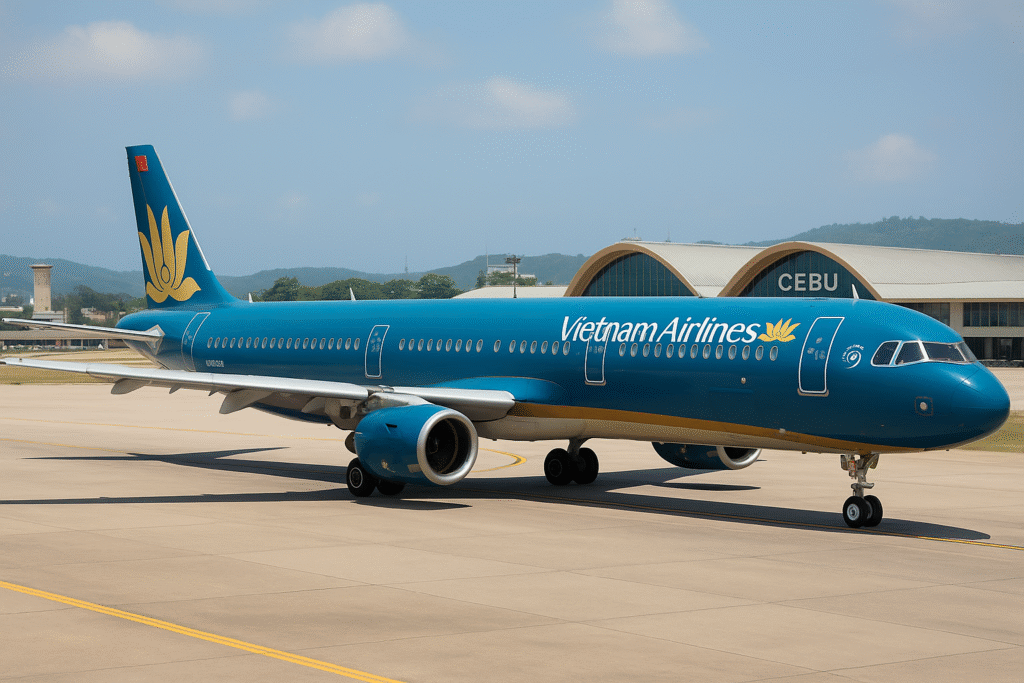
Vietnam Airlines has opened a new chapter in regional air travel with the launch of its direct route connecting Hanoi and Cebu. The service is designed to strengthen Southeast Asia’s tourism network and offer travellers more seamless access to two of the region’s most exciting destinations. The airline’s expansion reflects the rising demand for efficient and convenient travel options across Vietnam, the Philippines, and neighbouring markets.
A Milestone Moment for Regional Connectivity
The inaugural service began with a late-evening departure from Noi Bai International Airport on 2 December and touched down at Cebu International Airport early the next morning. Around 100 travellers were on board the debut flight, which was welcomed with celebrations at both terminals. Vietnam Airlines prepared special gifts for passengers, underlining its focus on service quality as it continues to grow its international footprint.
The route brings together two dynamic tourism hubs. Hanoi remains a gateway to northern Vietnam’s cultural and natural attractions, while Cebu stands among the Philippines’ most popular leisure destinations. The airline’s direct link cuts down travel time significantly, offering a quicker and more comfortable journey for holidaymakers and business travellers alike.
Convenient Schedule for Leisure and Business Travel
Flights from Hanoi operate every Tuesday, Thursday, and Sunday. Return flights from Cebu run every Monday, Wednesday, and Friday. This schedule provides travellers with a range of options for weekend trips, longer stays, and multi-destination itineraries.
The average flight time is just three hours, reducing the need for transit stops that previously extended travel duration. The new service supports smooth travel planning and contributes to the increasing preference for direct connections within Southeast Asia.
Why Cebu Is Rising as a Tourism Magnet
Cebu has long been known for its postcard-worthy beaches, turquoise waters, and colourful marine life. The island offers a mix of nature, culture, and adventure. Travellers can explore coral reefs, island-hop through crystal-clear waters, chase waterfalls, or immerse themselves in vibrant local traditions.
The region also balances modern comforts with historic charm. From preserved Spanish-era landmarks to lively food scenes, Cebu presents experiences suited to families, adventure seekers, divers, and cultural enthusiasts.
With this direct flight, travellers from Vietnam now have simpler access to one of the Philippines’ most treasured island destinations. This connection is expected to encourage more Vietnamese travellers to explore the country’s tropical attractions.
Hanoi Welcomes More Visitors From the Philippines
The new route also opens doors for Filipino travellers. Hanoi offers a deep cultural experience, with its Old Quarter, serene lakes, and traditional craft villages. Its cuisine—from steaming bowls of pho to fresh spring rolls—adds to its charm as a must-visit destination.
Beyond Hanoi, iconic northern destinations such as Ha Long Bay, Ninh Binh, and Sapa become more accessible. These areas are known for limestone cliffs, rice terraces, mountain landscapes, and local ethnic cultures, making them ideal for immersive and nature-focused travel.
A Strategic Expansion for Vietnam Airlines
The launch of the Hanoi–Cebu route is part of Vietnam Airlines’ strategy to enhance its network across Southeast Asia. As tourism rebounds and travellers seek faster connections to leisure hotspots, airlines throughout the region are expanding their routes. Vietnam Airlines aims to meet growing demand by increasing accessibility to high-potential travel markets.
The airline’s move reflects broader industry trends. Travellers now prioritize convenience, shorter travel times, and direct access to destinations known for natural beauty and cultural depth. By aligning with these preferences, Vietnam Airlines strengthens its competitive position in the region.
Driving Travel, Trade, and Economic Opportunity
Direct flights often play a key role in stimulating economic growth. The Hanoi–Cebu service supports tourism, hospitality, aviation, and investment activity across both markets. By reducing travel barriers, the route encourages collaboration in business sectors such as services, logistics, and trade.
Cebu’s tourism industry continues to expand, supported by infrastructure upgrades and rising international interest. Vietnam’s economy, experiencing steady growth, benefits from improved mobility and increased access to new markets. The new link creates mutual opportunities for development and cultural exchange.
Supporting a Stronger Tourism Ecosystem
Tourism authorities in both nations anticipate a surge in two-way travel. Local businesses, tour operators, hotels, and transport providers will benefit from increased visitor numbers. With more travellers exploring each destination, the service helps strengthen the region’s tourism ecosystem and creates long-term value for communities.
The route also encourages deeper cultural understanding. Travellers can connect with local heritage, traditions, and daily life in each destination, fostering meaningful experiences that go beyond leisure.
A Promising Step for Southeast Asian Travel
The introduction of the Hanoi–Cebu service reinforces Vietnam Airlines’ commitment to providing modern, customer-focused travel solutions. It enhances regional accessibility, broadens travel choices, and contributes to tourism growth across Southeast Asia.
As travellers continue to seek immersive, authentic, and convenient experiences, this new route offers a gateway to two vibrant destinations. The airline’s expansion marks a promising step forward for tourism development and cross-cultural engagement within the region.
For more travel news like this, keep reading Global Travel Wire