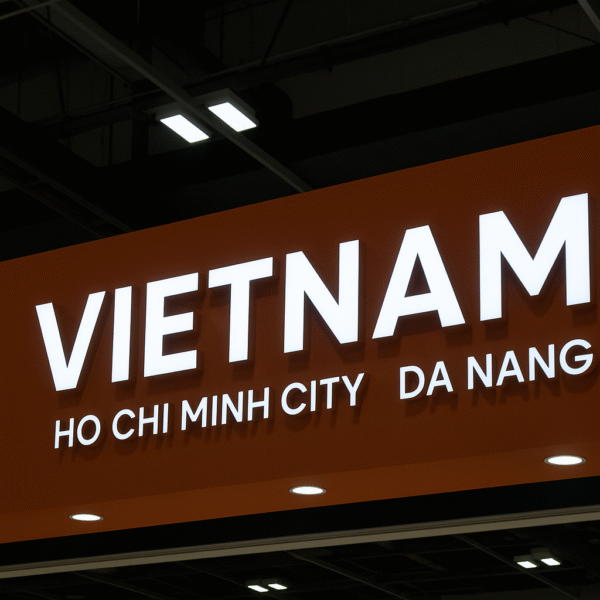
At the 18th edition of ITB Asia 2025, held this October in Singapore, Vietnam made a bold and strategic impression by foregrounding the evolving tourism strengths of Ho Chi Minh City and Da Nang. Through its “Vietnam – HCM City” pavilion, along with a vivid presence by tourism authorities and enterprises, Vietnam positioned itself as a destination that blends deep cultural heritage, sustainable practices, and modern business (MICE) tourism capabilities.
Vietnam Elevates Its Profile at ITB Asia
The Vietnam pavilion at the Marina Bay Sands exhibition showcased not only iconic destinations but also novel tourism formats and immersive cultural elements. Traditional Vietnamese music and live Ao Dai painting performances helped capture the attention of trade visitors, while destination leaders and tourism companies presented signature travel products. The collaboration of the Ho Chi Minh City Department of Tourism, Da Nang Department of Culture, Sports and Tourism, and the national flag carrier further amplified the country’s offerings, using the event as a key platform to engage international partners and buyers.
Beyond the cultural spectacle, Vietnam used ITB Asia to cement strategic partnerships, with leadership meeting representatives of Singapore-based tourism agencies and event operators. A standout element was the collaboration around the Vietnam Pho Festival 2025, aimed at integrating culinary tourism into the broader promotional mix between Vietnam and Southeast Asia markets.
Ho Chi Minh City: Tradition Meets Modern Ambition
In its exhibit, Ho Chi Minh City underscored the dynamism of its tourism ambitions. While still deeply rooted in cultural heritage and history, the city is rapidly enhancing infrastructure, improving service standards, and embracing sustainable tourism frameworks. At ITB Asia, the city’s presentation emphasized how it aims to balance bustling urban life with authentic experiences—heritage walks, historic quarters, and cultural crafts—while also catering to the needs of discerning travelers seeking quality and substance.
The city has adopted a long-term vision to make tourism and culture one of its economic pillars from 2026 to 2030. This plan includes better branding, stronger international outreach, and more sophisticated product offerings to attract visitors who want to experience both the modern metropolis and the traditions within.
Da Nang’s Rapid Ascent in Culture, Beaches & MICE
Meanwhile, Da Nang brought a forward-looking narrative to ITB Asia under its campaign “New Da Nang – New Experiences.” The city spotlighted its coastlines, luxury resorts, and proximity to major heritage sites such as Hoi An Ancient Town, My Son Sanctuary, and the Ngu Hanh Son mountains. Importantly, Da Nang emphasized its growing MICE capabilities—conference venues, business hotels, and event infrastructure geared for corporate gatherings.
Da Nang also introduced three thematic “tourism passports” (Food Tour, Heritage Tour, Green Tour) to help visitors experience the city’s culinary, historical, and eco-friendly assets in structured formats. Interactive elements—such as a digital “Lucky Wheel” game—added engagement to booth visitors, weaving together entertainment with destination education.
Da Nang recently underwent an administrative expansion that merged it with neighboring Quảng Nam Province, boosting its land area and profile as a central urban hub in Vietnam. This change emphasizes its growing strategic importance in the country’s tourism and economic landscape.
Sustainability, Cultural Depth & Emerging Trends
Across both cities, a recurring theme at Vietnam’s ITB Asia presence was responsible and sustainable tourism. As global travelers increasingly demand eco-aware, low-impact journeys, Vietnamese tourism authorities are focusing on green planning, resource conservation, and community-based cultural tourism. The message was clear: growth in tourism must go hand in hand with preserving natural landscapes and cultural integrity.
Vietnam’s tourism strategy is also being informed by current growth trends. Through August 2025, the country hosted nearly 14 million international visitors, marking a nearly 21.7 percent increase year-on-year. To meet the ambitious annual target of 25 million foreign arrivals, all levels of government, enterprises, and tourism bodies are ramping up efforts to upgrade infrastructure, diversify products, and amplify promotional reach.
To support this, visa policies have been liberalized—some nationalities benefit from visa-exemption arrangements, and e-visa schemes are extended, all aiding smoother entry to the country. Vietnam is encouraging innovation, digital marketing, and public-private collaboration to stay aligned with shifting global travel preferences.
MICE Tourism: The New Growth Frontier
One of the most strategic pivots in Vietnam’s tourism vision is the surge in MICE tourism (Meetings, Incentives, Conferences, Exhibitions). Both Ho Chi Minh City and Da Nang are targeting business travelers and corporate events as core growth drivers. At ITB Asia, Vietnam’s presentation made clear that it is ready for more than leisure tourism—it wants to be a trusted partner for global events, conferences, and high-value business travel.
This shift toward business tourism diversifies income sources, lengthens visitor stays, and elevates the profile of Vietnam in the competitive Asia-Pacific event circuit. With modern venues, connectivity upgrades, and event services, they aim to capture convention flows that might otherwise go to more established hubs.
What Lies Ahead for Vietnam’s Tourism
Vietnam’s strong showing at ITB Asia 2025 is part of a broader tactical push to deepen market visibility in the Asia-Pacific and beyond. By accentuating the strengths of Ho Chi Minh City and Da Nang, promoting sustainable and cultural experiences, and expanding MICE capacity, Vietnam is articulating a more polished, versatile, and future-ready tourism identity.
But challenges remain. Meeting the 25 million visitor target will require relentless marketing, infrastructure investments, quality control, and balanced growth across regions. Another core task will be ensuring consistency in service standards, protecting heritage sites from overtourism, and elevating lesser-known destinations.
Still, if the response at ITB Asia is any indication, Vietnam is making meaningful headway. It is no longer just a hidden gem—Vietnam is staking its claim as a full-spectrum tourism destination: one that blends luxury, culture, business, sustainability, and innovation into a coherent offering that can compete globally. In the coming years, those who choose Vietnam are likely to find more depth, more freshness, and richer experiences than ever before.
For more travel news like this, keep reading Global Travel Wire