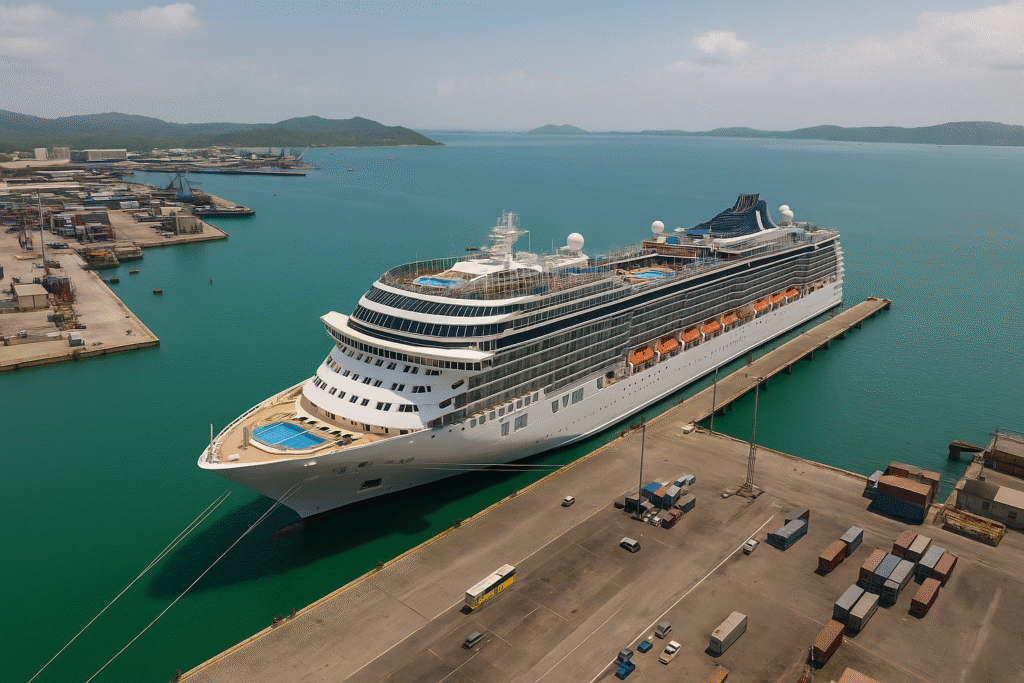
Vietnam’s southern region is entering a new era of tourism expansion as Cai Mep–Thi Vai ports are approved to continue welcoming international cruise ships through June 2026. The decision, backed by the Ministry of Construction and the Vietnam Maritime and Inland Waterways Administration, underlines the government’s commitment to transforming the area into a leading maritime and tourism hub in Southeast Asia.
Located in Ba Ria–Vung Tau province, the Cai Mep–Thi Vai port cluster forms part of the greater Ho Chi Minh City seaport system. This area has become a key gateway for international maritime trade and now stands poised to capitalize on the growing demand for cruise tourism. With this extension, Vietnam aims to reinforce its position as a premier Southeast Asian cruise destination—attracting global visitors, boosting the regional economy, and strengthening its tourism infrastructure.
Government Commitment to Sustainable Tourism Growth
The Vietnamese government’s approval for extended cruise operations demonstrates a proactive response to the surge in visitor arrivals and global travel demand. The Ministry of Construction’s decision allows key terminals within the port cluster—such as Thi Vai International Port, SP-SSA International Terminal, Tan Cang–Cai Mep International Terminal, and Saigon International Terminals Vietnam—to continue accommodating large cruise vessels.
This move ensures that southern Vietnam remains connected to international maritime tourism routes, especially as cruise travel rebounds globally. Authorities recognize that sustainable port development is vital to long-term tourism growth. To this end, the Vietnam Maritime and Inland Waterways Administration has been tasked with overseeing safety upgrades, infrastructure modernization, and compliance with international cruise operation standards.
By emphasizing environmental protection, fire safety, and passenger handling efficiency, the government is aligning Vietnam’s cruise sector with international best practices. These upgrades will allow the ports to host larger, more luxurious vessels while ensuring smooth, safe, and eco-friendly operations.
Addressing Challenges and Enhancing Port Capacity
The decision to extend cruise operations comes after earlier setbacks, including incidents where large cruise ships were forced to reroute due to limited port facilities. One notable example involved the Ovation of the Seas, a 4,000-passenger luxury cruise ship that had to change course because the port lacked suitable docking capacity.
This event underscored the need for urgent modernization of Vietnam’s southern ports to accommodate the next generation of large cruise liners. The Cai Mep–Thi Vai expansion project directly addresses these challenges, focusing on infrastructure upgrades such as extended berths, improved passenger terminals, and modernized customs facilities.
In addition to structural enhancements, the port authority is implementing digital management systems to streamline operations, reduce wait times, and enhance passenger experience. These improvements are expected to create a smoother, more luxurious journey for visitors while reinforcing Vietnam’s reputation as a safe, organized, and welcoming destination.
Economic and Tourism Impact on Southern Vietnam
The southern provinces, particularly Ba Ria–Vung Tau, are among the fastest-growing tourism destinations in the country. With its proximity to Ho Chi Minh City, the area serves as a gateway for both domestic and international visitors exploring Vietnam’s coastline and islands.
The extension of cruise operations will directly support local businesses, including hotels, restaurants, transport operators, and cultural attractions. It is estimated that every international cruise ship arrival brings thousands of visitors, generating millions in tourism-related spending. This influx contributes to job creation and stimulates ancillary industries, from tour operations to retail and food services.
The government anticipates that, by mid-2026, these developments will make the Cai Mep–Thi Vai cluster one of Vietnam’s most important cruise tourism centers, serving as a hub for Southeast Asian itineraries linking Singapore, Thailand, and Malaysia.
Building Vietnam’s Reputation in the Global Cruise Industry
Vietnam has seen consistent tourism growth over the last decade, with international arrivals exceeding 12 million annually before the pandemic. As the global cruise sector rebounds, Vietnam is keen to capture a larger share of this lucrative market.
The southern port cluster offers a competitive advantage: deep-water capacity, proximity to major international routes, and the ability to serve as both a port of call and a turnaround port for longer cruises. The region’s natural beauty—ranging from pristine beaches to cultural landmarks—enhances its appeal as part of multi-country cruise itineraries.
According to the Vietnam National Administration of Tourism, the country’s tourism development plan prioritizes port expansion, eco-tourism initiatives, and partnerships with international cruise lines. The inclusion of the Cai Mep–Thi Vai cluster in this strategy ensures that Vietnam can handle growing passenger volumes without sacrificing sustainability.
Opportunities for Private Sector and Community Development
The port extension also opens up avenues for private-sector investment. Cruise terminals require hospitality infrastructure, excursion programs, and entertainment facilities—all of which create opportunities for investors and entrepreneurs.
Hotels, resorts, tour operators, and local artisans stand to benefit from a surge in international visitors. Furthermore, the emphasis on eco-friendly tourism ensures that the economic benefits of cruise growth are shared with local communities while preserving the region’s natural and cultural heritage.
As new developments unfold, the local government is prioritizing collaboration between public and private entities to ensure that investments align with environmental and social sustainability standards.
Vietnam’s Cruise Future: A Strategic Maritime Vision
The extension of Cai Mep–Thi Vai’s operations until 2026 is more than a temporary adjustment—it is part of a broader national vision to establish Vietnam as a central player in Asia’s cruise tourism market. With world-class port infrastructure, a growing reputation for hospitality, and government support for sustainable growth, the region is poised to become a preferred destination for international cruise lines.
By 2026, when the full range of upgrades is complete, the Cai Mep–Thi Vai ports are expected to handle thousands of passengers from luxury liners and adventure cruises, transforming Vietnam’s southern coast into a thriving tourism hub.
As the nation navigates this new chapter in its maritime story, the expansion represents not only progress for tourism but also a symbol of Vietnam’s readiness to embrace the global travel future—anchored in sustainability, innovation, and world-class hospitality.
For more travel news like this, keep reading Global Travel Wire