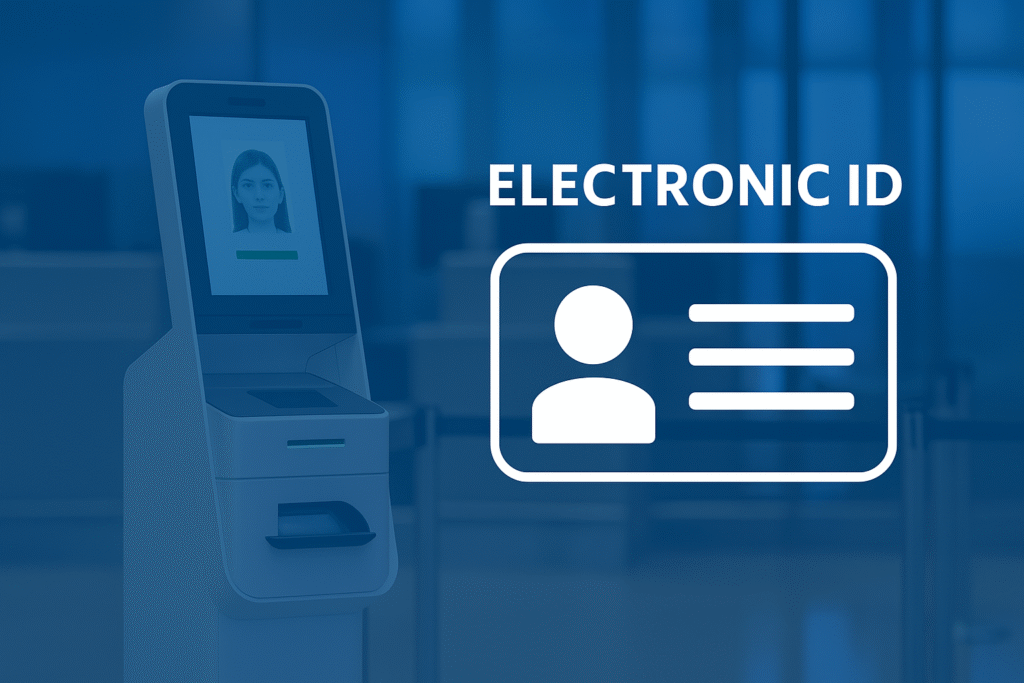
Vietnam is set to revolutionize its aviation sector as mandatory electronic IDs and biometric self-service kiosks become the new standard for passengers beginning December 1, 2025. The policy marks one of the most significant transformations in the country’s transportation history, designed to increase efficiency, enhance airport security, and align Vietnam with global trends in digital travel technology.
This new system will require most passengers to use the VNeID mobile application or biometric-enabled self-check-in kiosks for ticketing, security checks, and boarding. Only those traveling with checked baggage or in special categories—such as minors, elderly passengers, or individuals requiring assistance—will continue to use traditional counters.
Government Directive for Digital Transformation
The transition is guided by Directive No. 24, recently signed by the Prime Minister. It reflects Vietnam’s broader vision of creating a fully digital travel ecosystem that integrates air, land, and metro transport into one national digital ID platform.
As part of the initiative, the Ministry of Public Security is responsible for overseeing the installation of biometric systems at airports across the country. By October 2025, facial recognition gates, fingerprint scanners, and biometric-enabled kiosks are expected to be operational at major airports including Hanoi, Da Nang, and Ho Chi Minh City.
This nationwide rollout is designed not only to reduce congestion at airports but also to strengthen border security and improve the accuracy of passenger identification.
How the New System Will Work
From September to November 2025, there will be a pilot phase where passengers can begin providing biometric data through the VNeID app or airport counters. This trial period allows both airlines and travelers to adapt before the policy becomes mandatory in December.
Once implemented, passengers will complete most of their travel journey digitally:
- Check-in: Using the VNeID app or kiosks equipped with biometric authentication.
- Security clearance: Automated gates will use facial recognition to verify passengers against stored biometric data.
- Boarding: Digital confirmation through the app or kiosks will replace traditional boarding passes.
This integrated approach is expected to drastically reduce waiting times, minimize paperwork, and provide a smoother travel experience.
Expanding Beyond Airports
The biometric infrastructure will not be limited to airports. According to government plans, metro stations and parking facilities in major cities such as Hanoi and Ho Chi Minh City will also adopt similar systems. The integration of biometric identification into multiple modes of transport demonstrates Vietnam’s ambition to create a nationwide digital mobility ecosystem.
The VNeID app will serve as the hub of this transformation, enabling users to manage not only air travel but also future transportation-related services. The Ministry of Finance is overseeing the investments required to procure advanced equipment and ensure compatibility across sectors.
Benefits for Passengers and Tourism
Vietnam’s move toward digital identity in air travel is expected to benefit both domestic and international passengers. Travelers will enjoy faster check-ins, shorter queues, and seamless boarding procedures, making journeys more convenient and stress-free.
For tourists, this step demonstrates Vietnam’s commitment to becoming a leading destination with modernized infrastructure. As global visitors increasingly expect digital solutions, these improvements will enhance the country’s appeal, particularly for tech-savvy and business travelers.
Additionally, enhanced biometric security is expected to reassure passengers, especially as international tourism rebounds. By ensuring safer, more reliable airport processes, Vietnam positions itself as a competitive hub in Southeast Asian aviation.
Preparing for the Transition
Airlines and airports have already begun preparing communication campaigns to educate travelers about the new requirements. Incentives, such as discounts for early VNeID registration or priority boarding privileges, are expected to encourage swift adoption.
Passengers are advised to download and register with the VNeID app ahead of the December rollout. Frequent travelers, in particular, are urged to provide biometric data during the pilot phase to avoid delays once the policy becomes mandatory.
Challenges and Considerations
While the initiative promises a smoother travel experience, challenges remain. The installation of biometric systems across all airports requires significant investment and coordination among government agencies, airlines, and private contractors. Ensuring the security of personal data will also be a critical concern, as millions of passengers’ biometric details will be collected and stored.
Furthermore, training airport staff and educating passengers about the new system will be essential to ensure a seamless rollout. The interim phase from September to November will serve as a critical testing ground to identify and resolve technical or logistical issues.
A Step Toward Global Standards
Vietnam’s adoption of biometric air travel aligns it with countries such as Singapore, the United Arab Emirates, and the United States, which already use biometric identification in airports. By joining this international trend, Vietnam strengthens its position as a modern aviation hub and signals its readiness to handle rising passenger volumes.
The government also views this transformation as part of a broader digital governance strategy, linking public services—including healthcare, finance, and transportation—through a unified digital ID framework.
Conclusion: A New Era for Vietnamese Travel
The introduction of mandatory electronic IDs and biometric self-service kiosks from December 1, 2025, represents a turning point for Vietnam’s aviation industry. By embracing cutting-edge technologies, the country is modernizing its travel infrastructure, improving security, and creating a more efficient journey for millions of passengers.
For travelers, the message is clear: the future of air travel in Vietnam will be faster, safer, and more digital than ever before. For the tourism industry, these changes reaffirm Vietnam’s status as a forward-looking destination prepared to meet global expectations in an increasingly connected world.
For more travel news like this, keep reading Global Travel Wire