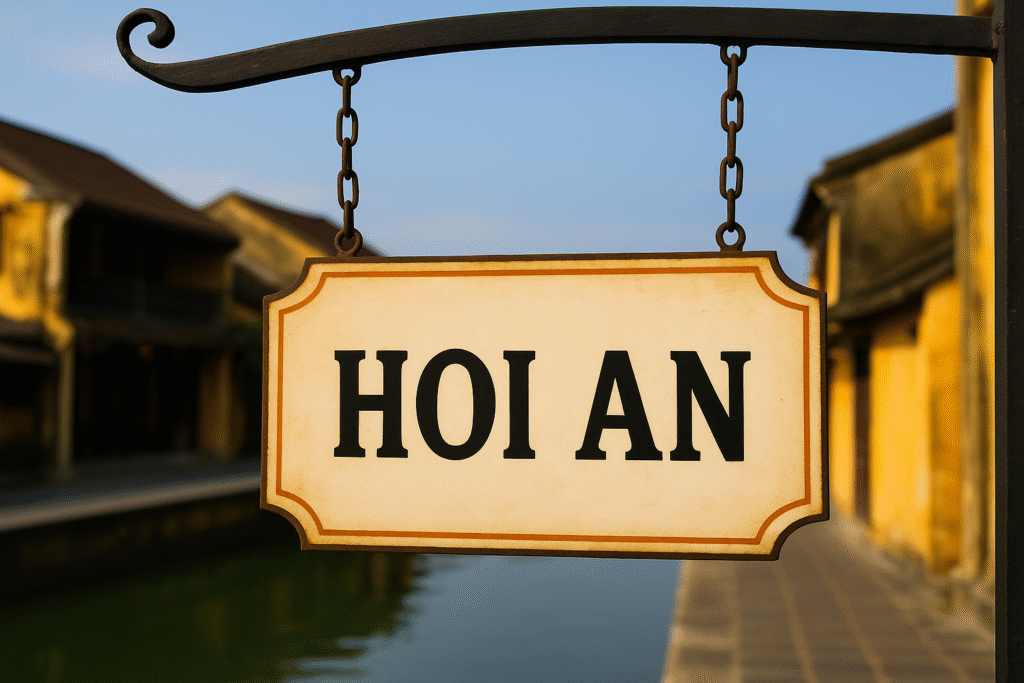
After severe flooding threatened to derail one of Vietnam’s premier tourist destinations, the ancient town of Hoi An is showing decisive signs of recovery. The UNESCO-listed heritage town in Vietnam’s central coast region is welcoming visitors once again as local communities, hospitality operators and government agencies work in unison to rebuild and revive the local travel economy.
In recent weeks, torrential rains caused widespread flooding in central Vietnam, inundating streets, homes and businesses in Hoi An and neighbouring provinces. The historic lantern-lit lanes, wooden houses and riverside cafés that define Hoi An’s charm were temporarily submerged, forcing many accommodations and small enterprises to pause operations and begin cleanup. Local tourism traders reported steep losses and uncertainty, yet the community’s resolve and the rapid mobilization of restoration efforts mean the destination is regaining momentum.
The tourism industry matters immensely to Hoi An. Prior to the floods, the town welcomed over four million visitors in a year, forming a major part of the regional economy. With visitors now slowly returning, the energy is palpable: café terraces are being mopped and reopened, boat rides along the Hoai River are resuming, and lantern-makers are once again active in their workshops. The early return of tourists sends an important message—that Hoi An is open for business and ready to welcome the world.
Accommodation providers and airlines are playing a vital role in this revival. Many hotels in and around Hoi An, including international-brand resorts and boutique heritage lodgings, had temporarily suspended service or reduced capacity during the flood event. Now, many are refurbishing rooms, refurnishing lobbies and relaunching full operations with refreshed hospitality offers. Meanwhile, domestic and regional air carriers have begun increasing flight frequencies to the nearby Da Nang International Airport, the region’s gateway, in anticipation of higher demand. The combination of restored connectivity plus accommodation capacity sets the stage for a comeback of both leisure and business travel.
This recovery phase also aligns with Vietnam’s broader tourism strategy. The national government has set clear targets to strengthen tourism capacity through 2030 and make the sector a spearhead of economic growth. In that context, the swift remediation efforts in Hoi An underscore the resilience of the tourism ecosystem and the importance of heritage tourism in Vietnam’s portfolio. From a visitor standpoint, the current moment offers a unique opportunity: to experience Hoi An during its rebound, support local livelihoods and engage with the destination in a meaningful way.
Visitors planning a trip to Hoi An at this juncture should be aware of a few practical considerations. While most attractions are open, some venues are still finishing repair work or final inspections after the floods. It’s advisable to check with hotels or tour operators in advance about any ongoing restoration activity. Weather vigilance is wise: though floodwaters have receded, seasonal rainfall remains a possibility in the region, and travellers should build flexibility into their itineraries. Supporting local businesses—especially family-owned restaurants, craft workshops and independent accommodation providers—is a powerful way to help the community’s recovery and enrich the visitor experience.
Where to stay? In and around Hoi An, a range of lodging options is available—heritage town inns nestled amid lantern-lit alleys, riverside resorts, and beach-front properties a short ride away. Many hotels currently advertise special packages to encourage bookings and reward early-arriving guests. What makes Hoi An compelling now is the blending of restored cultural splendour with the glow of revitalisation: walking the old town at dusk, flanked by wooden architecture and softly glowing lanterns, one senses both tradition and renewal.
Where to go? Sightseeing highlights include the old town core, Japanese Covered Bridge, riverside cafés and traditional boat tours. The nearby countryside offers additional appeal: rice-paddy landscapes, rural villages and eco-friendly bike rides — all suitable for travellers seeking quieter, less-crowded experiences during the recovery phase.
How to get there: The nearest major airport is Da Nang International Airport, from which Hoi An is roughly a 30-40 minute drive. Airlines serving the region have restored routes and are increasing capacity in response to returning tourist interest. Once in Hoi An, local transport such as e-bikes, taxis and river-shuttle services provide convenient access to the town and surrounding attractions.
Why now matters: Visiting Hoi An at this point means much more than ticking off a bucket-list destination. It means witnessing a destination’s resilience, being part of a recovery story, and contributing to the local economy at a vital juncture. For travel media, global travellers and regional tourism professionals alike, Hoi An’s rebound signals the vitality of heritage tourism and the strength of community-driven recovery in the face of natural disaster.
In summary, Hoi An is emerging from a challenging period with renewed vitality. The intersection of heritage charm, local creativity and tourism infrastructure recovery gives it a distinctive appeal. With hotels reopening, airlines restoring services and visitors again arriving, the town is ready to reclaim its place among Asia’s most captivating travel destinations. For those planning travel, Hoi An in 2025 presents a special window: visit now, experience culture in transition, and play a role in rebuilding one of Vietnam’s most beloved historic towns.
For more travel news like this, keep reading Global Travel Wire