Vietnam’s hospitality industry is experiencing its strongest growth since the pandemic, with Revenue per Available Room (RevPAR) rising by an impressive 17% year-on-year. This surge highlights the nation’s growing prominence as one of Southeast Asia’s most dynamic tourism markets. The rebound is driven by a combination of international tourist arrivals, booming domestic travel, and the increasing appeal of cultural and sustainable tourism experiences.
Industry analysts note that Vietnam is now competing with leading destinations such as Thailand and Indonesia, positioning itself as a premier destination that blends natural beauty with rich cultural heritage.
Tourist Arrivals Fuel Revenue Growth
The surge in Vietnam’s RevPAR is directly linked to higher occupancy rates and rising room prices, particularly in key urban hubs like Hanoi and Ho Chi Minh City. These cities remain magnets for international visitors drawn to their mix of historic landmarks, vibrant street life, and modern infrastructure.
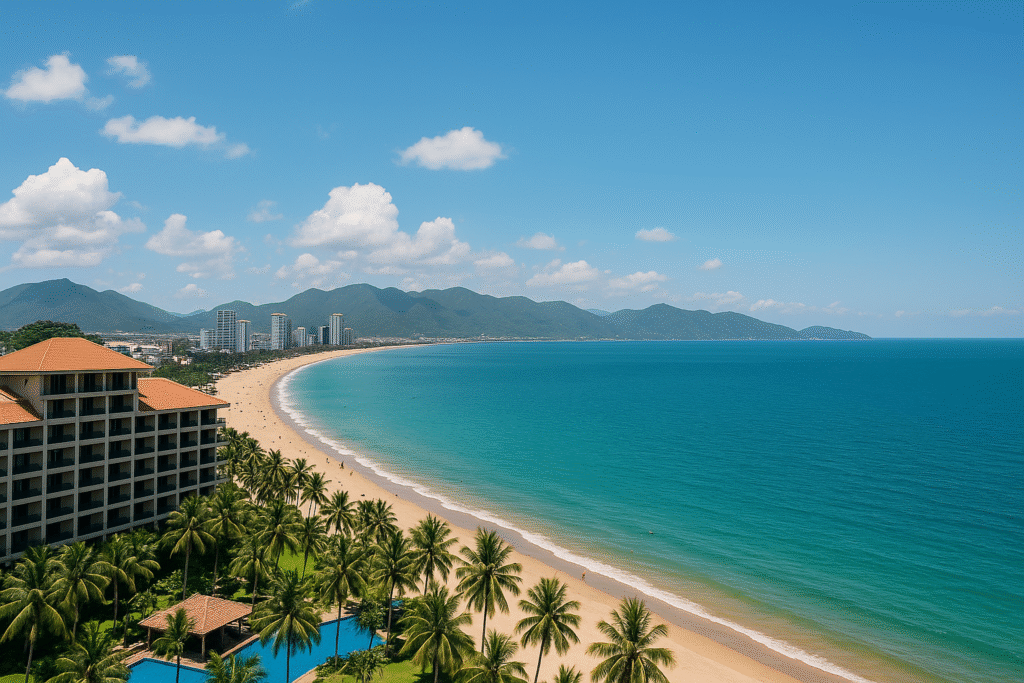
Coastal resorts in Phu Quoc, Nha Trang, and Cam Ranh are also experiencing record-breaking occupancy levels. These destinations, known for pristine beaches, luxury resorts, and water sports, are solidifying Vietnam’s reputation as a diverse tourism hub offering both cultural and leisure travel.
Hoteliers are adapting quickly to this growth by enhancing service quality, upgrading facilities, and diversifying their offerings to cater to both luxury seekers and budget-conscious travelers.
Vietnam’s Tourism Hotspots on the Rise
Hanoi continues to serve as the cultural heart of Vietnam, attracting travelers eager to explore its Old Quarter, ancient temples, and colonial architecture.
Ho Chi Minh City, the economic powerhouse, draws business and leisure visitors alike with its bustling nightlife, shopping centers, and culinary scene.
Phu Quoc and Nha Trang are leading Vietnam’s coastal tourism boom, appealing to families, honeymooners, and adventure seekers.
Cam Ranh, once lesser-known, is quickly emerging as a luxury resort destination thanks to new investments and improved accessibility.
The diversity of attractions allows Vietnam to appeal to a wide audience—from history enthusiasts and nature lovers to those seeking vibrant nightlife or tranquil seaside escapes.
Domestic Tourism Adds Momentum
While international arrivals play a key role, domestic tourism has also grown significantly. Searches for local travel destinations increased by 18% compared to last year, signaling a strong appetite among Vietnamese citizens to explore their own country.
This domestic travel boom has supported smaller cities and rural destinations, providing economic benefits to local businesses, restaurants, and cultural operators. Hidden gems—from highland retreats to traditional villages—are now gaining attention as more Vietnamese opt for staycations and regional adventures.
Cultural Tourism: A Key Driver of Growth
Vietnam’s cultural and heritage tourism remains one of its strongest assets. UNESCO World Heritage Sites such as Ha Long Bay, the Imperial City of Hue, and My Son Sanctuary continue to attract international visitors. These landmarks showcase the nation’s deep-rooted history and traditions, offering immersive experiences that appeal to global travelers seeking authenticity.
Festivals such as Tết (Lunar New Year), Mid-Autumn Festival, and local cultural celebrations also play a vital role in drawing tourists. By investing in infrastructure and services around these cultural hotspots, Vietnam is successfully transforming cultural tourism into a long-term growth driver.
Sustainability: Shaping the Future of Tourism
With the global demand for responsible travel on the rise, Vietnam is embracing sustainable tourism practices. Eco-friendly hotels, green transport initiatives, and the promotion of eco-tourism in regions such as Phong Nha-Kẻ Bàng National Park and the Mekong Delta are gaining traction.
These initiatives not only protect Vietnam’s natural beauty but also position the country as a leader in eco-conscious travel. Tourists are increasingly drawn to destinations that balance economic growth with environmental preservation, making sustainability a crucial part of Vietnam’s long-term tourism strategy.
Government and Private Sector Collaboration
The Vietnamese government has played a pivotal role in the sector’s success, introducing simplified visa procedures, investing in infrastructure, and launching global marketing campaigns. These measures have made Vietnam more accessible to international travelers.
At the same time, the private sector—hotels, airlines, and tour operators—has innovated to meet changing traveler expectations. New services, digital booking platforms, and tailored travel packages are helping Vietnam cater to a broader audience, from business travelers to adventure seekers.
The Road Ahead: Vision for 2030
Looking forward, Vietnam’s tourism strategy emphasizes sustainable development, cultural preservation, and service excellence. By 2030, the country aims to welcome 25 million foreign visitors annually, a target supported by expanded connectivity, tourism diversification, and digital innovation.
With its rich cultural identity, stunning natural landscapes, and commitment to sustainability, Vietnam is well-positioned to remain one of the world’s most attractive destinations.
Conclusion: A Bright Future for Vietnam’s Hospitality Industry
Vietnam’s hospitality sector is experiencing a golden era of recovery and growth. A strong increase in RevPAR, rising domestic and international arrivals, and a focus on sustainability and cultural tourism all contribute to a promising outlook.
As Vietnam continues to invest in infrastructure, embrace eco-tourism, and celebrate its cultural heritage, it is solidifying its place as a top global destination. The nation’s hospitality industry is no longer just recovering—it is thriving, setting the stage for long-term success in the global tourism arena.
For more travel news like this, keep reading Global Travel Wire