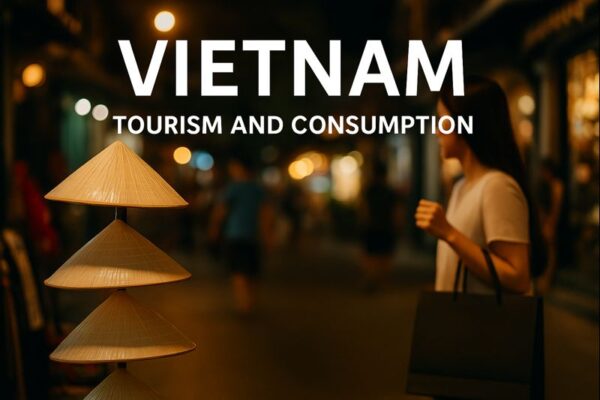
Vietnam is experiencing one of the most dynamic tourism surges in its history, with international arrivals reaching record-breaking levels. In the first eleven months of the year, more than 19 million foreign visitors traveled to the country, drawn by its world-famous cuisine, diverse landscapes, and rich cultural heritage. Yet behind this success story lies a growing challenge: Vietnam is not fully converting rising visitor numbers into higher tourism revenue, particularly through shopping, fine dining, and premium cultural experiences.
Despite bustling streets, busy airports, and fully booked hotels in popular destinations such as Hanoi, Ho Chi Minh City, Da Nang, and Phu Quoc, tourist spending remains relatively modest compared to other leading Asian destinations. Most international travelers focus on experiences rather than high-value purchases, revealing a significant gap between visitor growth and economic return.
Tourists Prioritize Experiences Over Retail Spending
Visitors from Europe, North America, Australia, and across Asia consistently praise Vietnam’s food culture, historical landmarks, and natural beauty. Street food tours, heritage walks, beach escapes, and eco-adventures rank high on travel itineraries. However, shopping often plays a secondary role. Many travelers are cautious about purchasing electronics, luxury goods, or designer products, frequently comparing prices with duty-free stores or retail options back home.
Concerns related to product authenticity, warranty coverage, return policies, and taxes further discourage high-value purchases. As a result, most tourists limit their shopping to low-cost souvenirs such as handicrafts, textiles, artwork, and local snacks. While traditional items made from bamboo, lotus fiber, reed, or water hyacinth hold cultural appeal, their commercial potential remains limited without strong branding, storytelling, and consistent quality standards.
This pattern highlights a missed opportunity. Vietnam has a deep cultural identity and skilled artisan base, yet many locally made products are not positioned as premium or collectible items capable of commanding higher prices from international buyers.
Airports Remain an Untapped Revenue Engine
Vietnam’s airports represent one of the clearest opportunities to increase tourist spending, but they currently underperform when compared to regional competitors. Duty-free zones often offer a narrow range of products, with limited representation from internationally recognized luxury brands. Dining options are improving but still lack the diversity and quality expected by high-spending travelers.
In contrast, major Asian aviation hubs have transformed airports into lifestyle destinations. They combine shopping, fine dining, cultural exhibitions, wellness services, and entertainment, encouraging travelers to spend more time and money before departure or during layovers. Vietnam’s airports could follow a similar model by expanding retail selections, introducing local designer brands, showcasing Vietnamese culture through exhibitions and performances, and modernizing tax refund systems through digital platforms.
Simplifying tax refund procedures and improving airport-to-city connectivity would also encourage travelers to make larger purchases without fear of administrative inconvenience.
Attracting Affluent and Long-Stay Travelers
Another key opportunity lies in targeting middle- and upper-income tourists who typically spend more per trip. Recent trends show growing interest from travelers in Eastern Europe, Central Asia, CIS countries, and parts of Southeast Asia. These visitors often travel in families, stay for longer periods, and seek a mix of relaxation, culture, and entertainment.
Such travelers are more inclined to spend on upscale accommodation, curated tours, wellness retreats, fine dining, and unique shopping experiences. To attract this segment, Vietnam’s tourism industry must move beyond mass-market offerings. Tailored marketing campaigns, early booking incentives, personalized itineraries, and premium travel packages can significantly increase per-visitor spending.
Luxury beach resorts, boutique heritage hotels, Michelin-quality dining, river cruises, and private cultural experiences can all contribute to higher-value tourism if presented cohesively and promoted effectively.
Strengthening Retail and Cultural Infrastructure
Transforming tourist arrivals into sustainable revenue requires long-term investment in retail and cultural infrastructure. Expanding modern shopping districts, supporting high-quality local brands, and integrating digital payment and tax refund solutions are essential steps. At the same time, immersive cultural experiences—such as craft workshops, curated museum tours, culinary masterclasses, and performance arts—can encourage tourists to engage more deeply and spend more meaningfully.
Government agencies, tourism authorities, and private enterprises must work together to align policy, infrastructure, and marketing strategies. Encouraging innovation, improving service standards, and supporting creative industries will help elevate Vietnam’s tourism offering from affordable to aspirational.
Turning Growth into Lasting Economic Value
Vietnam’s tourism boom is a powerful achievement, but visitor numbers alone do not guarantee long-term economic success. The next phase of growth depends on increasing the value of each visit. By enhancing shopping environments, elevating fine dining, modernizing airports, and delivering immersive cultural experiences, Vietnam can unlock the full economic potential of its tourism sector.
The current surge in international arrivals is more than a recovery milestone—it is a strategic opportunity. With coordinated action and a focus on quality over quantity, Vietnam can strengthen its global image, attract higher-spending travelers, and transform tourism into a more resilient and profitable pillar of the national economy.
For more travel news like this, keep reading Global Travel Wire