WestJet is reshaping budget air travel by introducing paid comfort options and removing reclining seats from its economy class. The move reflects a growing shift among low-cost carriers that now include Ryanair, Spirit, and Allegiant Air. This change allows passengers to pay for extra comfort while keeping base fares low. However, the decision has divided travelers, sparking debate over how far airlines should go in cutting costs before passenger comfort begins to suffer.
The Canadian carrier announced this transformation as part of its plan to modernize cabin design and expand options for travelers. The first aircraft with the new seating layout will enter service in late 2025, with the rest following by 2026. WestJet aims to give passengers more choice but also to optimize efficiency and lower operating costs.
Comfort for a Price
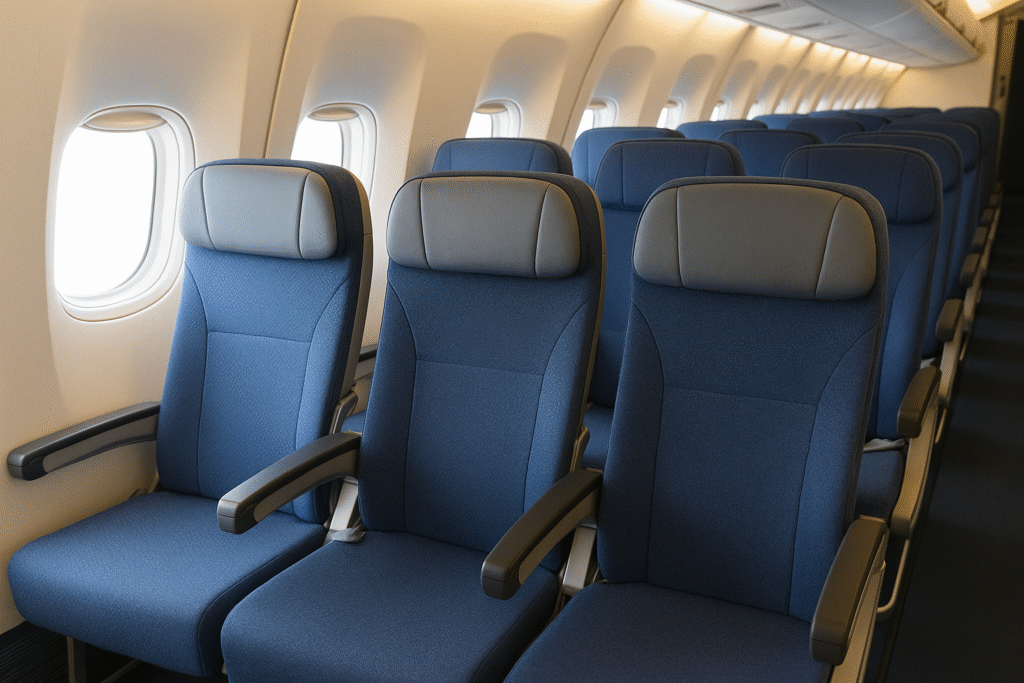
WestJet’s new economy layout eliminates reclining seats, which were once a standard feature in most aircraft. Passengers seeking extra legroom or reclining options can upgrade to Extended Comfort or Premium seats for an additional fee. The airline says this allows customers to choose the comfort level that suits their budget, giving flexibility to both leisure and business travelers.
However, many travelers argue that basic comfort should not come with an added cost. On long-haul flights, the ability to recline offers relief and rest, especially for passengers with health or mobility issues. Removing this feature has led many to question whether airlines are prioritizing profits over passenger well-being.
Despite criticism, WestJet’s move follows a trend already set by leading low-cost carriers worldwide. The strategy is designed to maintain competitive fares while offering optional upgrades for travelers seeking comfort.
Following Global Budget Airline Trends
Other budget airlines have already paved the way for this model. Ryanair, Spirit Airlines, and Allegiant Air have proven that “unbundled” air travel—where passengers pay for each feature—can succeed financially.
Ryanair’s Minimalist Model
Europe’s Ryanair has long led the no-frills approach. The airline does not offer reclining seats, ensuring faster cleaning, lower maintenance costs, and increased seating capacity. The result is lower ticket prices, though often at the expense of comfort. Many passengers accept the trade-off, choosing affordability over luxury.
Spirit Airlines’ A-La-Carte Approach
In the United States, Spirit Airlines allows travelers to purchase comfort upgrades such as “Big Front Seats,” which offer more space and a slight recline. Standard economy seats remain fixed in place, maximizing passenger capacity. Spirit’s strategy focuses on transparency—flyers pay only for what they use. Yet, it often draws criticism for turning essential amenities into paid add-ons.
Allegiant Air’s Efficiency Model
Allegiant Air follows a similar approach, offering simple economy seating with limited adjustments. The airline emphasizes affordability and efficiency, often targeting leisure travelers. While passengers can upgrade to premium seats, the standard layout focuses on keeping fares as low as possible.
Together, these airlines highlight an evolving definition of budget travel—one that prioritizes flexibility and cost-efficiency over traditional comfort.
What Travelers Think
The global response to this trend remains mixed. Some travelers welcome the chance to customize their experience, paying for extra space only when needed. Others believe that removing reclining seats goes too far, especially when flights last several hours.
Frequent travelers often argue that comfort should remain a basic standard. Seats that cannot recline may make long flights more tiring and uncomfortable, especially for families or older passengers. On the other hand, supporters of WestJet’s approach say that reclining seats can invade personal space in tightly packed cabins, causing frustration for passengers behind them.
This divide mirrors the broader debate in the airline industry—whether passengers want the lowest possible fares or expect certain amenities regardless of price.
The Future of Budget Air Travel
Budget airlines continue to innovate, experimenting with new cabin layouts and pricing models to stay competitive. WestJet’s introduction of paid comfort options represents a hybrid strategy: maintaining low-cost accessibility while offering premium add-ons for those who want more.
The airline also plans to enhance its Extended Comfort seats with upgraded cushioning, increased legroom, and adjustable headrests. For passengers seeking luxury, the Premium Class will feature reclining seats, upgraded meals, and priority services. These tiers give travelers more control over how they spend their money, aligning with the growing demand for personalized travel experiences.
The move also reflects changing consumer behavior. Many modern travelers prefer to pay only for what they use rather than for an all-inclusive ticket. This “à la carte” pricing strategy allows flexibility, but it also blurs the line between affordability and comfort.
A Balancing Act Between Cost and Comfort
WestJet’s latest move signals a significant shift in the budget airline industry. By eliminating reclining seats, the airline saves maintenance costs and streamlines operations. In return, passengers gain access to cheaper fares—but with fewer standard comforts.
The airline insists that this balance benefits both sides. Travelers on short routes may not miss reclining seats, while those flying long distances can pay for premium upgrades. Yet, as more airlines adopt similar models, the definition of “value” in air travel continues to evolve.
The key challenge for WestJet and its peers lies in managing expectations. Budget travelers crave affordability, but they also expect a basic level of comfort. If airlines go too far in removing features, they risk alienating loyal customers.
Conclusion
WestJet’s decision to remove reclining seats and introduce paid comfort options marks a turning point in budget air travel. By following the path of Ryanair, Spirit, and Allegiant, the airline joins a growing movement that prioritizes efficiency and customization over uniform comfort.
This strategy offers travelers the freedom to choose—but also challenges the traditional concept of what a budget ticket should include. As competition in the low-cost market intensifies, airlines must continue to innovate while preserving a sense of value.
Whether this shift redefines the future of economy travel or triggers a customer backlash will depend on how travelers adapt. For now, one thing is clear: WestJet’s decision is pushing the boundaries of what it means to fly affordably in the modern world.
For more travel news like this, keep reading Global Travel Wire