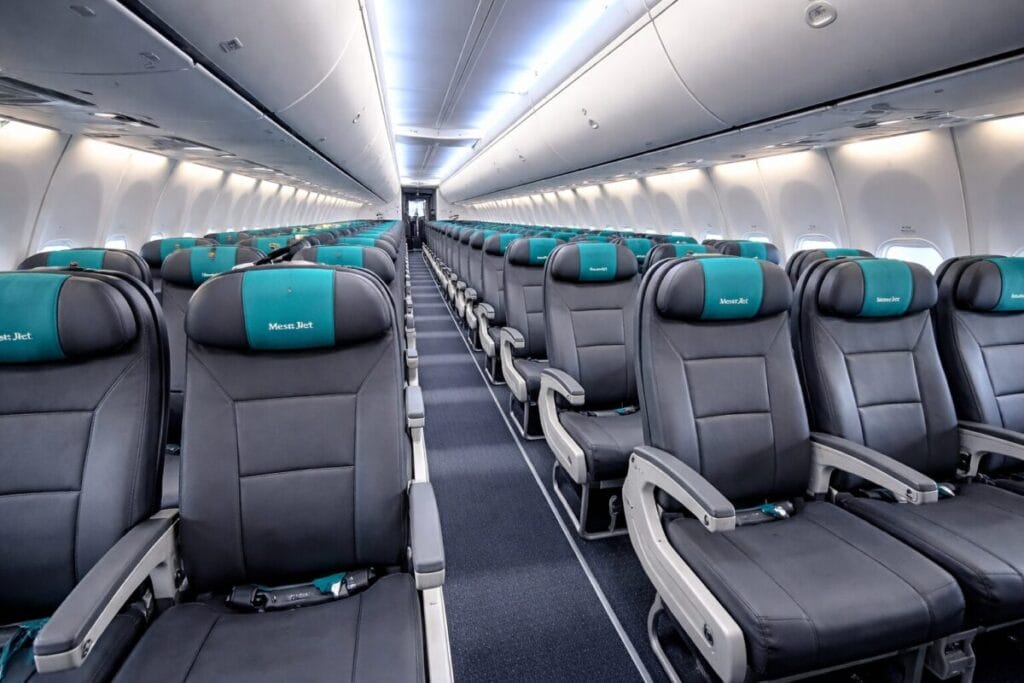
WestJet has announced a major shift in its economy cabin strategy. The airline will reverse its previous tight seat configuration and reintroduce more spacious seating across its Boeing 737 fleet. The decision comes after months of passenger criticism, operational feedback, and pressure to enhance comfort amid rising global travel demand.
The carrier confirmed that engineering work to restore the former seat pitch is underway. This process will continue throughout 2026 and forms part of a broader refresh of Boeing 737 cabins as WestJet positions itself for strong tourism travel volumes.
Tourism Recovery Drives Focus on Comfort
Tourism bodies across North America expect international and leisure travel to outperform pre-pandemic levels in coming years. As travel confidence returns, passengers are placing greater emphasis on comfort, especially during flights lasting more than three hours. Families, business travelers, and long-haul leisure tourists cite legroom and seat width as central components of overall trip satisfaction.
WestJet appears to be responding to these market realities. By restoring space and reducing discomfort, the carrier aims to attract travelers seeking affordable fares without sacrificing personal space.
The Original Redesign and Its Controversy
In late 2025, WestJet introduced a redesigned economy cabin for select Boeing 737 aircraft. The configuration featured ultra-slimline seats and a reduced pitch of 28 inches, below the industry norm of around 30 to 31 inches. Recline functions were removed from many rows and the cabin gained an additional row of seating.
The redesign was intended to create lower fare options. However, travelers and aviation observers raised immediate concerns. Passengers reported cramped seating and limited mobility, especially on longer routes. Frequent flyers and media outlets criticized the move as part of a broader trend of shrinking airline seat sizes.
The backlash was swift. Within months, WestJet paused further rollout and launched a review of guest sentiment and operational data. Increased complaints and discomfort indicators highlighted misalignment between the redesign and passenger expectations.
WestJet’s Reversal and Reconfiguration Plans
Following its review, WestJet confirmed it will return economy seating to its previous standard of 30 to 31 inches. This adjustment increases legroom and improves comfort on domestic and transborder routes. The carrier also emphasized that customer feedback played a direct role in shaping the final decision.
Beyond seating changes, WestJet will introduce refreshed cabin materials, improved lighting, and updated seating ergonomics. These changes mirror trends across global carriers that aim to modernize cabins while keeping fares competitive.
Investment in Passenger Experience
Reconfiguring completed aircraft will cost WestJet time and money. Aircraft modifications require maintenance access, engineering approval, and temporary removal from service. However, the airline sees the investment as necessary to stay competitive.
The aviation industry has learned that dissatisfied customers are more likely to switch airlines than accept poor comfort trade-offs. As tourism markets become more competitive, brand perception and customer loyalty play a larger role in airline success. Enhancing traveler comfort supports booking retention and word-of-mouth marketing, especially among premium leisure travelers.
Impact on Tourists and Long-Haul Travelers
The decision offers clear benefits for tourists. Routes connecting major Canadian cities with U.S. gateways and sun destinations often carry leisure passengers traveling with children, sports equipment, or extra luggage. These travelers value comfort because it sets the tone for vacations or business trips.
On inbound tourism routes, better comfort enhances Canada’s appeal as a destination. Tourism analysts note that the flight experience influences total traveler satisfaction, which feeds into a visitor’s likelihood to return.
Restoring additional legroom reduces fatigue, improves seating posture, and increases mobility. Travelers can stretch more easily, use laptops more comfortably, and manage long flight durations with less strain.
Balancing Value and Comfort in Modern Aviation
WestJet continues to market itself as a carrier offering affordable fares. However, affordability now competes with comfort expectations. Many airlines have been upgrading cabins to meet the needs of “value-seeking premium leisure travelers” — a fast-growing segment that seeks competitive pricing without the stripped-down feel of ultra-low-cost carriers.
By reversing its redesign, WestJet signals that comfort remains part of its brand identity. The change may also help it avoid the risk of pushing customers toward competing carriers during peak tourism seasons.
Looking Ahead: A Competitive Advantage
As global tourism grows, airlines that adapt quickly to traveler preferences will gain market share. WestJet’s decision illustrates how customer feedback can shape aviation policy. Restoring comfort may also encourage return bookings, strengthen loyalty, and improve passenger satisfaction scores at a critical time for tourism recovery.
With cabin improvements rolling out through 2026, travelers can expect roomier seating, upgraded interiors, and a more pleasant flying environment. For tourism-driven routes, that combination may prove essential in winning future travelers.
For more travel news like this, keep reading Global Travel Wire