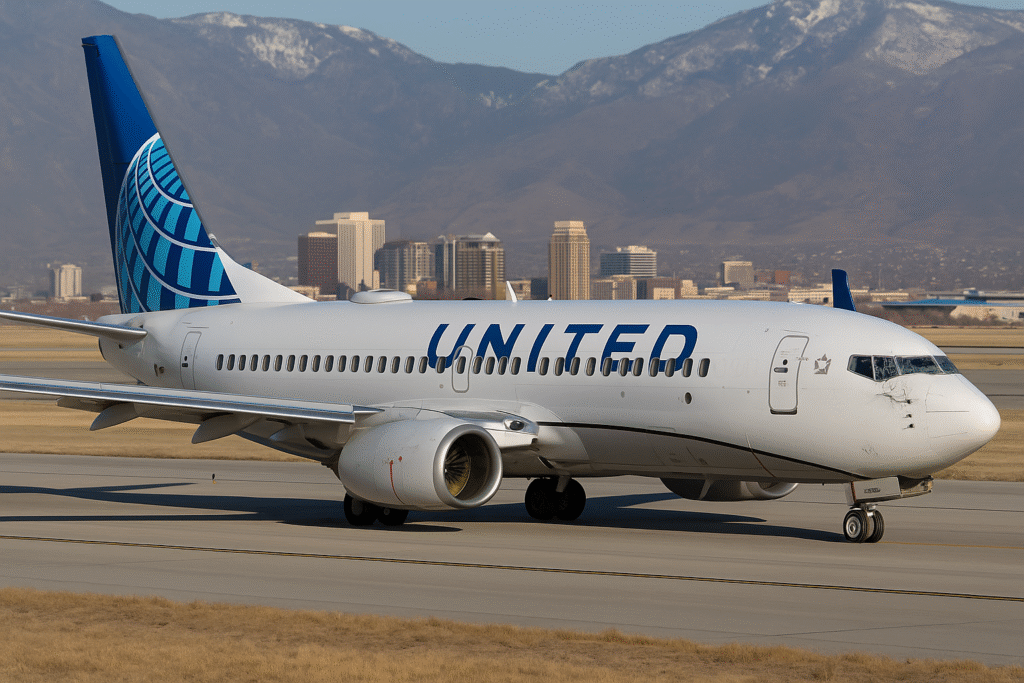
On 16 October 2025, a routine domestic flight turned into a cautionary tale for travellers and industry watchers alike. United Airlines Flight UA1093 departed from Denver, Colorado, bound for Los Angeles, California. The aircraft, a Boeing 737 MAX 8, reached cruising altitude of roughly 36,000 feet when a crack appeared in the cockpit windshield. Despite carrying around 140 passengers and crew members, the flight crew immediately initiated a diversion and safely landed at Salt Lake City International Airport in Utah. No passenger injuries were reported; however, one pilot sustained minor bruising during the sequence.
What Happened and How It Was Handled
Once the crew identified the windshield damage, they began a controlled descent and diverted the aircraft to the nearest suitable airport—Salt Lake City. A replacement aircraft, a Boeing 737 MAX 9, was arranged to complete the journey to Los Angeles with about a six-hour delay. While the exact cause of the crack remains under investigation, speculation includes high-altitude environmental stress, internal structural fault, or even external object impact. The fact that the flight landed safely and all aboard were accommodated speaks volumes about the readiness of commercial carriers and air-traffic frameworks.
Implications for Travellers & the Tourism Sector
1. Confidence in U.S. Domestic Flights
The incident serves as a timely reminder for travellers that even short domestic hops across the U.S. can face unexpected mechanical or structural issues. Fortunately, modern safety protocols and crew training mean such disruptions rarely result in harm. Data supports this: in fact, air travel remains among the safest modes of transportation in the United States.
2. Delays and Connecting Travel
From a tourism perspective, delays or diversions on domestic flights can ripple outwards. A six-hour delay, such as in this case, may affect connecting flights, hotel check-ins, car rentals or onward domestic/international plans. Travellers with tight itineraries should factor in buffer time and keep bookings flexible.
3. Airport Diversions Offer Unexpected Touchpoints
The diversion to Salt Lake City offers an unplanned “mini-stop” for travellers who land in a city off their original route. Though not part of the travel plan, such stops can provide glimpses into alternate destinations. Salt Lake City, for instance, is framed by mountain landscapes and houses access to several national parks—something travellers could turn into a short experience, even if unintended.
4. Safety Perception and Choice of Airline
While this event involved a popular airliner model, the quick, safe resolution may actually bolster traveller confidence rather than undermine it. The combined effect of airline readiness, regulatory oversight, and crew action shines through. Nonetheless, travellers increasingly value flexible bookings, travel insurance and awareness of potential disruptions.
5. Travel Planning Takeaways
- Allow extra time for domestic flights in the U.S.
- Opt for flexible bookings or ensure travel insurance covers unforeseen events.
- Monitor flight communications and remain prepared for changes in routing or schedule.
- View unexpected diversions as potential opportunities—when safe to do so—to explore new cities or landscapes.
- Keep confidence in aviation: Though rare, mechanical events do happen, yet it is designed to protect you.
What This Means for the U.S. Travel Route
The flight path from Denver to Los Angeles crosses the scenic western United States. Denver, a gateway city to the Rocky Mountains and ski resorts, leads into Salt Lake City’s mountainous terrain and then on to Los Angeles, a global travel hub known for beaches, entertainment and international flights. For a traveller diverted through Salt Lake City, the unplanned stop delivers a short detour into Utah’s outdoor appeal—and emphasizes that even on routine routes, flexibility can lead to surprising discovery.
Safety Protocols in Focus
From the moment the crack appeared, the crew responded swiftly: they initiated descent, diverted to a safe airport, grounded the aircraft for inspection and transferred passengers to an alternate plane. This sequence underlines the resilience of airline safety design and operational preparation. Data illustrates that flying remains extraordinarily safe: in-gage injury and fatality rates are near zero per hundred million passenger-miles in U.S. commercial aviation.
Looking Ahead for Travellers and Tour Operators
For travel professionals, tourism marketers and individual travellers alike, this incident reinforces key strategic points: maintain contingency plans, communicate clearly with clients, allow buffer time, and highlight flexibility as a selling point. Airlines and airports continue to invest in safety, but modern tourism demands clear messaging about how disruptions are handled. For independent travellers, consider adding buffer days, review booking change policies and think of diversions as “bonus experience” zones rather than simply delays.
Conclusion
The emergency landing of United Airlines Flight UA1093 due to a cockpit windshield crack is a vivid reminder that mechanical issues can occur even on common domestic routes. Yet the safe outcome underscores the strength of the U.S. aviation system and airline procedures. For the travel and tourism industry, the message is clear: uncertainties can exist, but preparedness, flexibility and traveller communication make all the difference.
For more travel news like this, keep reading Global Travel Wire