North America’s winter tourism season is underway. Ski resorts, snow parks, and backcountry destinations are drawing thousands of visitors eager for powder and alpine views. Yet a series of deadly avalanches, climbing falls, and rockfall closures has added fresh concern for travelers planning adventure trips in January and February 2026.
Officials across mountain states and provinces are urging travelers to prepare for unpredictable terrain and changing snowpacks. Heavy snowfall, cold snaps, and early-season storms have created unstable layers in many popular ranges, making both managed and unmanaged terrain riskier than usual.
Fatal Avalanches Impact U.S. and Canadian Destinations
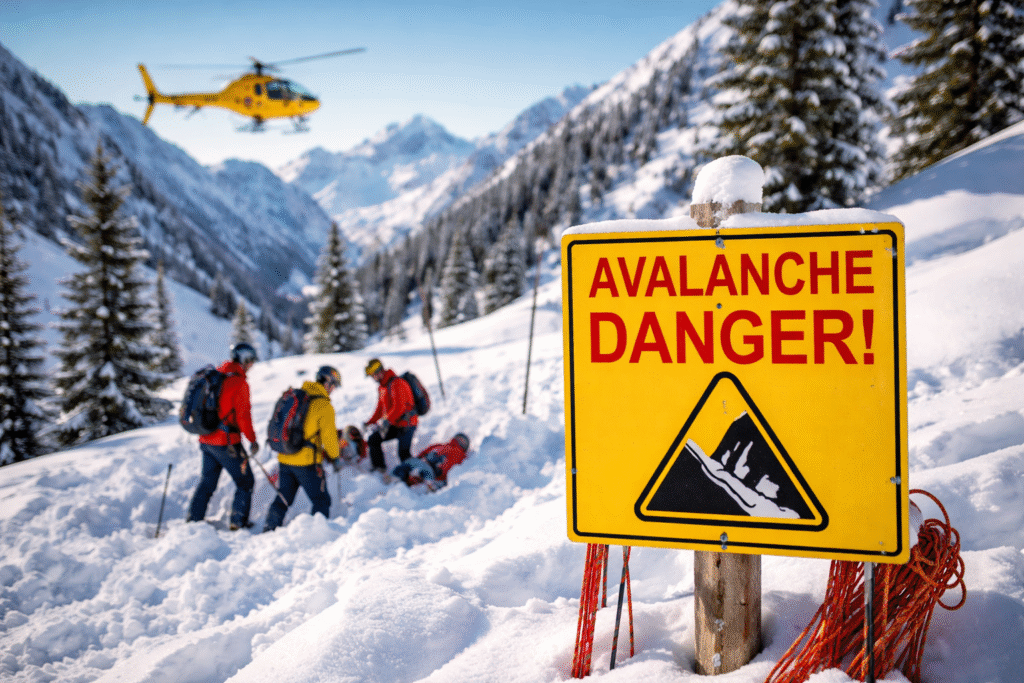
Early January brought tragedy to the Sierra Nevada near Truckee, California. A group of snowmobilers crossing steep backcountry slopes triggered a fatal slide near Johnson Peak and Castle Peak. One rider became fully buried and could not be revived despite rapid rescue efforts. First responders emphasized that the group carried proper equipment, proving that even trained winter travelers can face life-threatening conditions.
British Columbia’s winter riding zones also saw a deadly avalanche days earlier. A major slide near Tumbler Ridge measured hundreds of meters across and buried a snowmobiler during a recreational outing. Avalanche forecasters had rated the region at “considerable” danger. That level means natural and human-triggered avalanches are likely, especially after storms or periods of rapid temperature change.
Avalanche experts note that the 2025-2026 season brought dense storm cycles to California, Colorado, Idaho, and western Canada. These patterns create layered snowpacks that can collapse under the weight of skiers, boarders, and snowmachines. In a typical U.S. season, between two dozen and three dozen avalanche fatalities occur. Early season data suggests the current winter may exceed that average if conditions continue.
Colorado Sees Mountaineering Fatality During Holiday Weekend
Adventure tourism peaks during the holiday period, and climbers flocked to Colorado’s high peaks to ring in the new year. On New Year’s Eve, a climber fell several hundred feet from a ridge while ascending Citadel Peak, a high summit near the Eisenhower–Johnson tunnels. Rescue teams reached the site quickly and were able to assist the partner down. However, the fallen climber died from injuries sustained in the fall.
Although weather was clear and visibility good, mountaineering instructors warn that winter ridges hide icy patches beneath thin snow. A slip on mixed snow and rock can accelerate beyond recovery, especially above steep couloirs.
Utah Backcountry Incident Highlights Sidecountry Hazards
One of the winter’s closest calls unfolded at Hidden Canyon outside the boundary of Brighton Resort in Utah. Two teens triggered a slide that buried one skier upside down and partially buried the second. A nearby rider with avalanche gear reached the pair and dug them free. Both survived and walked out with assistance.
This incident raised attention to “sidecountry” terrain. These areas sit adjacent to resorts but remain unmanaged. They offer deep powder and excitement, but they lack patrol coverage, avalanche control, or marked hazard zones. Forecasters described the central Wasatch snowpack as “tricky” due to variable storms and weak layers formed earlier in the season.
Rockfall Closes Major Hiking Trail in British Columbia
Winter hazards are not limited to snow. In Squamish, a large rockfall damaged the main trail up Stawamus Chief, one of British Columbia’s most iconic day hikes. The trail remains closed as geotechnical assessments determine slope stability. Authorities advise travelers to avoid barricaded areas, as continued freeze-thaw cycles may trigger more rockfall through early spring.
Southwest Desert Parks Report Accidents and Season Restrictions
Red Rock Canyon in Nevada, a major winter climbing destination, recorded multiple rescue operations due to climbing falls on popular walls such as the Solar Slab. Rangers also reported a fatal helicopter crash in Arizona linked to an unusual slackline setup in a remote canyon. These incidents highlight that desert parks, often viewed as safer winter alternatives to snow regions, still present serious risk.
Joshua Tree National Park introduced seasonal restrictions at Fortynine Palms Oasis and Cholla Cactus Garden to protect sensitive landscapes and manage visitor safety. Limited water access, steep scrambles, and cold desert nights can surprise first-time visitors expecting mild winter conditions.
Resort Challenges Add Pressure to the Season
Mountain resorts are managing both operational and safety challenges this winter. In Colorado, a skier died after being found unresponsive at Keystone Resort. Industry experts stress the importance of hydration, altitude awareness, and cautious speed control, especially for visitors new to high-elevation skiing.
At the same time, new lifts and expansions are coming online, including two new lifts at Deer Valley Resort. Labor issues also surfaced, including a ski patrol strike in Telluride related to wages and housing — factors that influence staffing levels and guest services.
Authorities Promote Traveler Preparedness
Government avalanche centers across the U.S. and Canada have increased weather bulletins and daily forecasts. Travelers are encouraged to check updates before venturing into mountains, even for short tours. Essential gear such as beacons, probes, and shovels drastically improves survival chances during burial incidents. Education centers continue to offer avalanche safety courses and companion rescue training throughout winter.
Winter Adventure Requires Respect and Planning
With the winter tourism season gaining momentum, demand for powder, scenic hikes, and mountaineering experiences will continue. But recent fatalities underline a central message: nature does not bend to travel schedules. Planning, caution, and situational awareness remain the foundation of safe winter recreation. For tourists seeking North America’s wild beauty this winter, preparation is not optional — it is life-saving.
For more travel news like this, keep reading Global Travel Wire