Winter Storm Fern has plunged a large part of the United States into emergency mode, affecting both residents and travelers. Multiple states — including Texas, Georgia, Oklahoma, Kansas, Arkansas, and Mississippi — are under severe winter weather alerts. Frost warnings, ice storms, and bitter winds are creating challenging conditions for road and air travel. For tourists, this storm is reshaping itineraries, delaying transportation, and altering winter tourism plans across the country.
States Declare Emergencies as Frost and Ice Grip the South
Texas has issued a statewide disaster declaration for over 130 counties as temperatures continue to fall. Georgia has also declared a state of emergency and activated the National Guard to support winter response efforts. Similar conditions are being reported in Oklahoma, Kansas, and Arkansas, where thick ice and snow are coating roads, travel routes, and outdoor attractions.
For travelers, these declarations signal elevated risk. Emergency orders often include road closures, travel restrictions, and temporary suspension of certain public services. Visitors currently in the region should monitor local alerts and adjust travel plans accordingly.
Air Travel Faces Delays and Cancellations
Major airports across the Southern and Midwestern United States are experiencing weather-related disruptions. Airlines have issued winter travel waivers for affected destinations, allowing passengers to reschedule flights without additional fees. Airports in Dallas–Fort Worth, Atlanta, Tulsa, Oklahoma City, and Memphis have reported significant operational impacts, ranging from ice on runways to reduced visibility.
Tourism authorities anticipate temporary spikes in hotel occupancy near major airports due to stranded passengers awaiting rebooking. Travelers are advised to confirm flight status before heading to terminals and to allow extra time for check-in and security during extreme weather.
Road Travel Becomes Hazardous for Tourists and Local Drivers
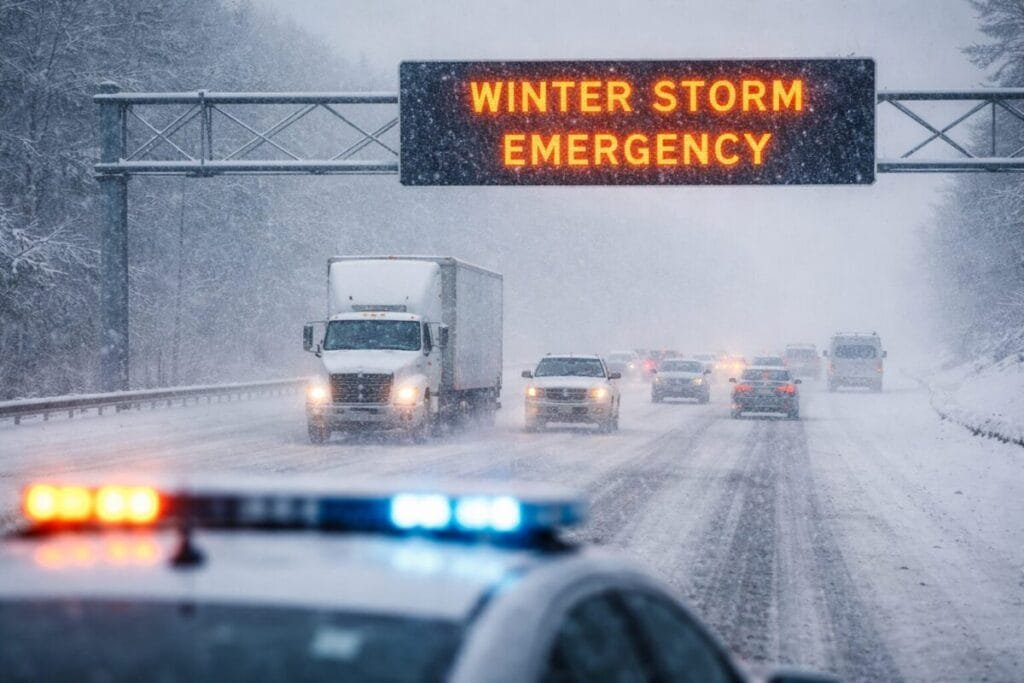
The combination of snowfall, sleet, and freezing rain has created some of the most hazardous driving conditions this winter. In states under winter storm warnings, highway officials are urging drivers to avoid unnecessary travel. Ice accumulation on bridges and elevated roadways has been a major contributor to collisions and roadway shutdowns.
Visitors traveling to national parks, coastal attractions, and winter-themed destinations may encounter closures. Scenic drive routes in the Southern Plains, Midwest, and Ohio Valley are especially affected, with snow squalls reducing visibility to near zero in isolated areas.
Tourist Destinations and Outdoor Activities Impacted
While winter tourism typically thrives in cold-weather regions, the widespread nature of this storm has forced multiple destinations to adjust operations. Ski resorts in the Midwest have paused lift operations during periods of heavy wind and poor visibility. Hiking and nature parks have temporarily restricted trail access due to icy terrain.
Southern urban destinations such as San Antonio, Atlanta, and Oklahoma City — popular for winter events and cultural touring — are facing venue cancellations and reduced visitor mobility. Cold-stressed wildlife and icy landscapes may also limit outdoor recreation experiences during the storm window.
Impacts Reach the Midwest, Ohio Valley, and Northeast
Fern’s reach extends far beyond the Southern Plains. The Midwest and Ohio Valley are facing whiteout conditions, snow squalls, and extreme wind chill warnings. Bitter cold poses a direct threat to unprepared travelers, especially those engaging in outdoor sightseeing. Exposure to freezing temperatures combined with strong winds can cause frostbite in minutes.
As the storm pushes east, the Mid-Atlantic and Northeast — including New York, Baltimore, and Washington, D.C. — are preparing for heavy snow, flight disruptions, and widespread transit delays. Rail services may also see slowdowns or cancellations along popular travel corridors.
Hotel, Transportation, and Travel Services Respond
Tourism and hospitality operators are adjusting to the surge in weather-related demands. Hotels near major highways and urban centers are preparing for increased bookings from motorists seeking safe shelter through the storm. Public transit systems have implemented modified schedules to reduce mechanical stress on vehicles in freezing conditions.
Visitors planning road trips are encouraged to assemble winter travel kits, including blankets, batteries, and non-perishable snacks. Rental car agencies in high-alert states are emphasizing the need for winter tires, full fuel tanks, and route planning before departures.
Travel Safety and Preparedness Tips for Tourists
Tourism and weather authorities recommend the following precautions during Winter Storm Fern:
- Avoid unnecessary driving
- Monitor airport alerts and airline notifications
- Dress in insulating layers to protect from wind chill
- Carry emergency essentials while traveling
- Check local advisories for destination closures
- Have alternate lodging plans ready
Short-term itinerary changes may be necessary, especially for travelers moving between multiple states.
A Challenging Winter Season for US Tourism
Winter Storm Fern highlights the growing unpredictability of winter weather across the United States. While tourism continues to rebound nationwide, extreme storms are increasingly influencing travel behavior and seasonal demand. For now, safety remains the priority. Travelers are encouraged to stay informed, remain flexible, and prioritize protection as storm conditions evolve.
For more travel news like this, keep reading Global Travel Wire