









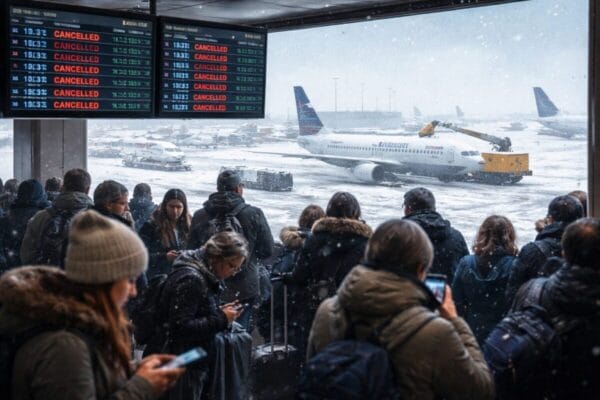
Winter Storm Gianna shocked meteorologists and travelers alike after rapidly intensifying into a powerful bomb cyclone. The storm strengthened within hours as pressure dropped sharply along the Southeast coast. This sudden escalation overwhelmed travel networks across the United States.
What began as a moderate winter system quickly evolved into a major weather event. Strong winds, heavy snow, freezing rain, and coastal flooding spread from the Southeast toward the Northeast. The speed of intensification left limited time for preparation, especially for airlines and transport authorities.
Airports Across the Southeast Grind to a Halt
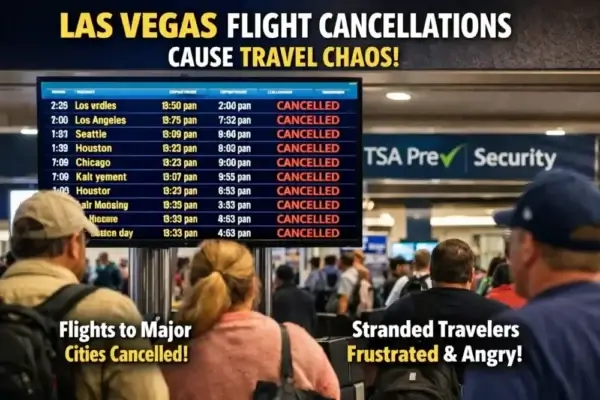
Air travel faced the most severe disruption. Major airport hubs across the Southeast reported widespread cancellations and delays as runways iced over and visibility dropped.
By early February, nearly 1,400 flights were canceled nationwide in a single day. Close to 3,000 additional flights suffered delays. The previous day had already seen thousands of disruptions, compounding passenger backlogs.
Charlotte Douglas International Airport experienced the worst impact. Heavy snowfall in North Carolina created unsafe operating conditions. Hundreds of departures were canceled, and aircraft positioning issues extended delays into following days.
Hartsfield-Jackson Atlanta International Airport also struggled. Freezing rain and strong winds forced airlines to suspend operations periodically. Hundreds of flights were canceled, disrupting one of the world’s busiest aviation hubs.
Raleigh-Durham International Airport faced similar challenges. Snow accumulation slowed ground handling, while de-icing demands stretched airport resources.
Airlines Activate Emergency Travel Policies
Major U.S. airlines responded by issuing flexible travel policies. Change fees were waived for travelers booked through affected cities. Rebooking options expanded across multiple days to ease congestion.
Airlines encouraged passengers to delay non-essential travel. Mobile alerts and app notifications became critical tools for real-time updates. Many travelers avoided airports altogether after repeated cancellations.
Despite these measures, crews and aircraft remained out of position. This caused rolling delays even in regions outside the storm’s direct path.
Cruise Itineraries Adjusted for Safety
Cruise travel also felt the impact of Winter Storm Gianna. Strong winds and high seas forced several ships to adjust routes.
Some vessels returned to port earlier than planned. Others modified itineraries to avoid rough Atlantic conditions. Passenger safety remained the top priority, even if it meant shortened voyages or altered ports of call.
Ports along the Southeast coast experienced temporary closures due to storm surge risks. These closures delayed embarkation and disembarkation schedules.
Rail Travel Faces Flooding and Wind Hazards
Rail networks did not escape disruption. Heavy rain, snow, and wind affected key corridors, particularly along the East Coast.
Flooding and fallen debris slowed train movement in several states. Crews conducted safety inspections before allowing service to resume. Some routes operated on reduced schedules, while others faced full suspensions.
These disruptions followed closely after earlier winter storms, leaving rail systems with little recovery time.
Road Conditions Turn Dangerous
Travel authorities issued strong warnings for road travel. Ice-covered highways, low visibility, and extreme cold created hazardous driving conditions.
Several states advised residents to stay off the roads unless travel was essential. Emergency services responded to accidents caused by black ice and poor visibility.
Coastal areas also faced flooding during high tide cycles. Wind gusts downed trees and power lines, further complicating travel.
What Travelers Should Do Now
Travelers caught in Winter Storm Gianna’s aftermath should remain flexible and informed. Checking flight, train, and cruise statuses frequently remains essential.
Rebooking early helps secure limited seats once operations resume. Travelers should pack essentials in carry-on luggage, including medications and chargers, in case of overnight delays.
Those planning future trips should monitor extended forecasts. Even after skies clear, recovery delays may continue as transport systems reset.
Northeast Braces for Continued Impacts
As the storm tracks north, parts of the Northeast are preparing for renewed disruptions. Snow and strong winds may affect airports and rail hubs through early February.
While conditions in the Southeast should gradually improve, lingering delays will likely ripple across national travel networks.
A Wake-Up Call for Winter Travel Preparedness
Winter Storm Gianna highlights how quickly travel plans can unravel during extreme weather. Rapid storm intensification leaves little margin for error.
Prepared travelers fare better. Staying proactive, using airline alerts, and building buffer days into itineraries can reduce stress during weather-driven disruptions.
As climate patterns continue to produce volatile winter systems, flexibility and awareness remain the most valuable travel tools.
For more travel news like this, keep reading Global Travel Wire