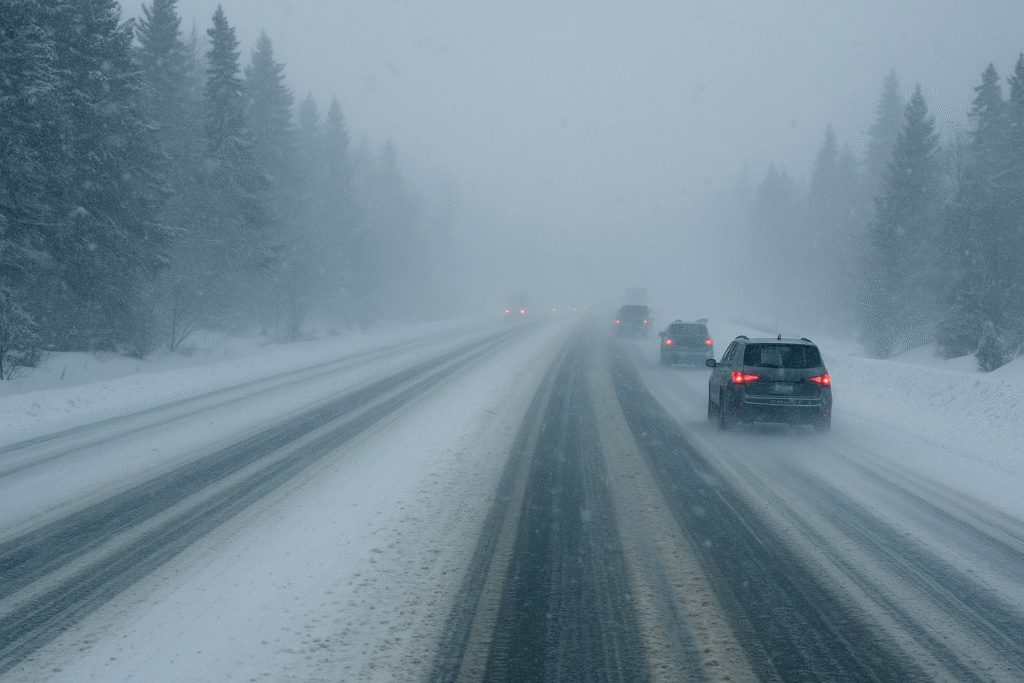
A powerful winter storm is sweeping across the U.S. states of Alaska, Wyoming and Washington. Snowfall of up to 16 inches is forecast, together with wind gusts reaching 40 mph or more. Travel and outdoor activity are under serious threat.
Weather services have issued urgent alerts. Panels of heavy snow, strong winds and rapidly worsening visibility are on the way.
Alaska: First Impact, Hazardous Conditions
In Alaska, significant snowfall has already begun in key mountain corridors. The Thompson Pass route near Valdez is expected to receive around nine inches of snow. With winds up to 40 mph, blowing snow will reduce visibility to a half-mile or less.
Commuters and visitors must heed warnings. Icy ground surfaces increase the risk of slips and falls. Winds will continue through Thursday into Friday, while road conditions will stay dangerous even after the heavy snow tapers.
Emergency supplies—flashlight, food, water, blankets—are strongly advised for anyone travelling through the region.
Wyoming: Mountain Travel Most At Risk
The mountain regions of Wyoming—specifically around the Teton and Gros Ventre ranges—are under a winter storm warning. Snow totals of four to eight inches are expected, with higher peaks possibly seeing up to a foot. Winds may again reach 40 mph, complicating travel and reducing visibility.
Routes such as the Teton and Togwotee Passes are particularly vulnerable. Delays, closures and hazardous driving are likely. Snow showers may persist into Friday, with combined snow and wind increasing travel risk.
Drivers are strongly urged to check real-time road condition updates and delay non-essential trips.
Washington: Heavy Snowfall and Mixed Precipitation
Washington’s mountainous zones, especially the Cascades in Whatcom and Skagit counties, are forecast to receive up to 16 inches of snow above 4,000 feet. Some high elevations, including around Mount Baker, may see as much as 24 inches or more. Rates of an inch or more per hour are possible during peak periods.
Mixed precipitation may occur—rain turning to snow or snow turning to rain—especially in lower elevations before the changeover. Strong winds and heavy snow could lead to power outages and major travel disruptions.
Highways such as the scenic but exposed Highway 20 are warned to be extremely dangerous, possibly impassable. Travellers are advised to postpone trips until conditions improve.
Travel Disruption and Safety Risks
This storm is not your typical winter snowfall. It may produce large snow accumulation, strong gusting winds, visibility near zero and icy roads. These conditions drive high risk for traffic crashes, stranded vehicles and delayed emergency response.
Mountain passes, higher altitude highways and remote areas are especially at risk. Power and communications may also be disrupted.
Essential Tips for Travellers
- Monitor Weather Updates – Keep an eye on forecasts, storm watches and warnings. Conditions can change rapidly.
- Delay If Possible – Avoid non-essential travel during the peak of the storm. If you must travel, depart early and allow extra time.
- Emergency Kit in Vehicle – Carry a well-stocked kit: flashlight, battery pack, food, water, blankets, warm clothing, shovel and windshield scraper.
- Check Road Status – Especially mountain passes and higher-altitude routes. Some may close without warning.
- Be Alert to High Snow Rates and Wind – Snow accumulation may exceed an inch per hour; wind gusts will reduce visibility and increase drifting snow.
- Adapt to Changing Conditions – Rain-to-snow transitions or warming followed by freeze can make roads icy. Stay flexible.
Take Travel Seriously
Snow is routine for Alaska, Wyoming and Washington in winter—but a storm of this scale demands extra caution. Expect rapid changes: snow piling up quickly, winds whipping snow into white-out conditions, and icy surfaces forming in minutes.
Whether you’re a local resident or a visitor planning a scenic drive or mountain adventure, assume conditions will be hazardous. Planning ahead and exercising caution can make the difference between a safe journey and a serious incident.
Final Note
With up to 16 inches of snow forecast across Alaska, Wyoming and Washington—and high winds, icy roads, low visibility and likely travel disruptions—it’s time to act. Keep tabs on local advisories, prepare your vehicle and your travel plans, and consider postponing any non-urgent trips. Safety must come first.
Stay informed. Stay prepared. Stay safe.
For more travel news like this, keep reading Global Travel Wire