



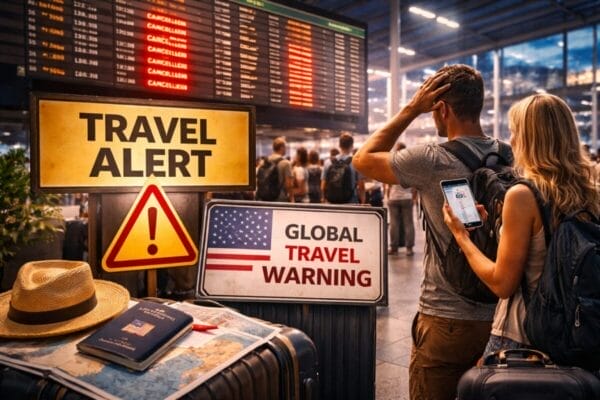



Central and Western Pennsylvania remain under a Winter Weather Advisory as a wintry mix moves across the region. The National Weather Service warns of freezing rain, sleet, and light snow overnight into Tuesday.
Major population centers including Harrisburg, Pittsburgh, and State College may experience hazardous travel conditions. The advisory spans 35 counties across central and western parts of the state.
Officials urge commuters and travelers to prepare for slick roads and reduced visibility. Conditions may vary significantly between lowlands and higher elevations.
Advisory Timing and Geographic Coverage
Weather officials expect deteriorating conditions to begin as early as 1 a.m. in south-central counties. Northern and higher-elevation areas may remain under advisory conditions until mid-afternoon Tuesday.
Counties affected include Dauphin, Lancaster, York, Centre, Blair, Cambria, Huntingdon, Clearfield, Elk, Potter, and Tioga. The greater Pittsburgh metropolitan area also falls within the advisory zone.
Travelers moving between regions should remain alert. Elevation changes can influence temperature and ice formation over short distances.
Ice Poses the Primary Travel Hazard
Forecasters expect limited snowfall accumulation, generally under one inch. However, freezing rain presents the greatest risk.
Ice accumulation could reach up to one-tenth of an inch in some locations. Even thin ice layers can drastically reduce traction.
Bridges, overpasses, and untreated rural roads may freeze first. Shaded surfaces may remain icy longer than surrounding pavement.
Morning commuters face the highest risk. Freezing precipitation during pre-dawn hours may create dangerous road surfaces before treatment crews complete operations.
Tuesday Morning Commute Faces Delays
Transportation agencies anticipate slower travel speeds during peak commute hours. Drivers should expect longer travel times and potential congestion.
Minor traffic accidents often increase during freezing rain events. Even experienced winter drivers may struggle with sudden ice patches.
Regional airports in Harrisburg and Pittsburgh may experience minor delays. Bus and rail services could also adjust schedules due to road conditions.
Officials encourage drivers to check road conditions using Pennsylvania’s 511 system before departing.
Conditions Improve as Temperatures Rise
Meteorologists expect gradual warming by late morning Tuesday. As temperatures climb above freezing, freezing rain should transition to plain rain.
Road surfaces will improve steadily during the afternoon. However, higher elevations and shaded rural roads may remain slick.
Travelers planning midday or evening trips should still use caution. Ice can linger in isolated pockets even after general improvement.
Secondary Impacts Beyond Roadways
Although the system appears relatively light, freezing rain can create additional hazards. Small ice accumulations may weigh down tree limbs.
Isolated power interruptions could occur if ice builds on lines. Sidewalks and parking lots may also become slippery.
Pedestrians face increased risk of falls during freezing rain events. Visitors unfamiliar with Pennsylvania winters should take extra care.
Travel Safety Recommendations
Officials advise residents and visitors to monitor official weather updates closely. The National Weather Service continues to provide real-time alerts.
Drivers should reduce speed and increase following distance. Sudden braking or rapid acceleration can cause skidding.
Motorists should exercise extra caution on ramps, bridges, and untreated surfaces. Allowing additional travel time reduces stress and accident risk.
Air travelers should confirm departure times directly with airlines. Early arrival at terminals provides flexibility during disruptions.
Pedestrians should wear footwear with strong traction. Handrails and cleared walkways offer additional stability.
Why Freezing Rain Causes Major Disruptions
Freezing rain often creates more travel problems than moderate snowfall. A thin glaze of ice can remain nearly invisible to drivers.
Unlike snow, ice bonds tightly to pavement and surfaces. Road crews may need additional time to apply treatment effectively.
Overnight timing increases risk because freezing precipitation forms while temperatures hover near freezing. Early commuters often encounter untreated roads.
Small winter systems can therefore generate outsized travel impacts.
Tourism and Regional Travel Considerations
Pennsylvania attracts visitors year-round for business, education, and recreation. Winter weather advisories can influence short-term tourism activity.
Hotels and attractions in Pittsburgh, State College, and Harrisburg continue operating normally. However, travelers may adjust arrival times to avoid peak icing periods.
Regional tourism offices encourage flexible scheduling during winter advisories. Travel insurance and rebooking options can provide additional security.
Outlook for Central and Western Pennsylvania
Forecasters expect improving travel conditions by Tuesday afternoon. Warmer air should reduce the icing threat across most counties.
Officials remind residents that winter weather patterns can shift quickly. Continuous monitoring of official updates remains essential.
Drivers and travelers who remain cautious and informed can navigate this advisory safely. With gradual warming and improving road treatment, the region should return to normal travel conditions later in the day.
For more travel news like this, keep reading Global Travel Wire