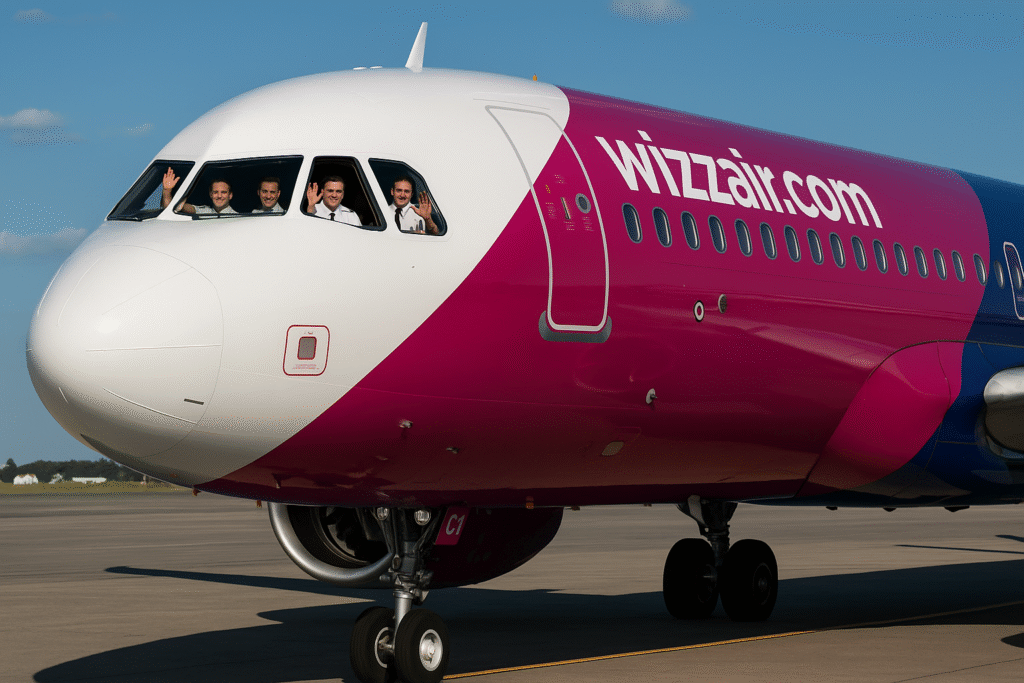
Europe’s dynamic low-cost carrier, Wizz Air, has unveiled an ambitious pilot training programme designed to train 1,200 new pilots by 2028. The initiative supports the airline’s expansion plans and responds to rising demand for affordable air travel across Europe, the Middle East and beyond.
Rising passenger demand and pilot shortage
As air travel rebounds, budget carriers are expanding routes and fleets to serve growing consumer appetite. Wizz Air sees this trend clearly, and the pilot training drive is a strategic move to ensure the airline can cover new routes and increased flight frequencies. With competition heating up and passengers seeking value, having a skilled pilot workforce becomes a critical enabler of growth.
Fully-funded training opens doors
The new programme offers prospective pilots a fully-funded training path, removing the steep financial hurdles that often accompany becoming a commercial pilot. Wizz Air is particularly seeking career-changers, not just aviation-school graduates, opening its doors wider into the job-market. For many, this delivers a rare opportunity to enter aviation via a low-cost carrier’s global network.
Recruitment scope and regional focus
Of the 1,200 pilot slots, around 240 are earmarked for the UK. The airline also plans major recruitment drives in Ireland for the first time. Selection takes about six months, followed by roughly two years of training before new pilots qualify. The pipeline is designed to refresh the airline’s current pilot population and expand its capacity for growth.
Career progression and competitive pay
Wizz Air has outlined a clear wage progression for trainee and qualified pilots. During training, pilots receive a starting salary that rises significantly once fully qualified. Senior Captains in the airline’s system may achieve high-earning levels, depending on experience and seniority. This prospect of career advancement and earning potential adds strong appeal for applicants.
Route and market expansion benefits travellers
With more pilots trained and ready, Wizz Air is positioned to increase flights on its vast European network, add new destinations, and possibly extend into the Middle East and Africa. For travellers, this means more affordable options, better connectivity, and increased capacity on routes serving demand from major cities. The budget model that Wizz Air employs allows it to keep fares low while offering broad coverage.
Innovation and strategic growth
The pilot training programme is part of a broader growth strategy. Wizz Air is not only investing in people but also in infrastructure, fleet optimisation and geographical expansion. These moves help the airline strengthen its competitive edge and service offering in a fast-moving aviation market.
Why this matters for tourism
For destinations served by Wizz Air, the addition of more flights and more frequency helps tourism flows by giving travellers more flexibility and choice. Increased low-cost connectivity often boosts inbound tourism, especially from secondary cities and emerging markets. For budget-minded travellers and travel-industry stakeholders alike, airlines stepping up capacity and pilot supply signals a healthier and more opportunity-rich ecosystem.
Final word
Wizz Air’s bold move to train 1,200 new pilots by 2028 sets a strong marker in the airline industry. By investing in talent and growth, the carrier positions itself to meet rising passenger demand and open new avenues for both travel-seekers and aspiring aviators. For travellers, it means more routes, lower fares and fresh opportunities to explore.
For more travel news like this, keep reading Global Travel Wire