Nobody expected it quite like this: for 2025, Zimbabwe has surged to the very top of global travel rankings, thanks to an exceptional blend of natural wonders, cultural heritage and revitalised tourism infrastructure. Named the world’s best country to visit in 2025 by leading travel analysts, Zimbabwe is capturing the imagination of explorers, adventurers and culture-seekers alike.
A star is born: Zimbabwe’s tourism moment
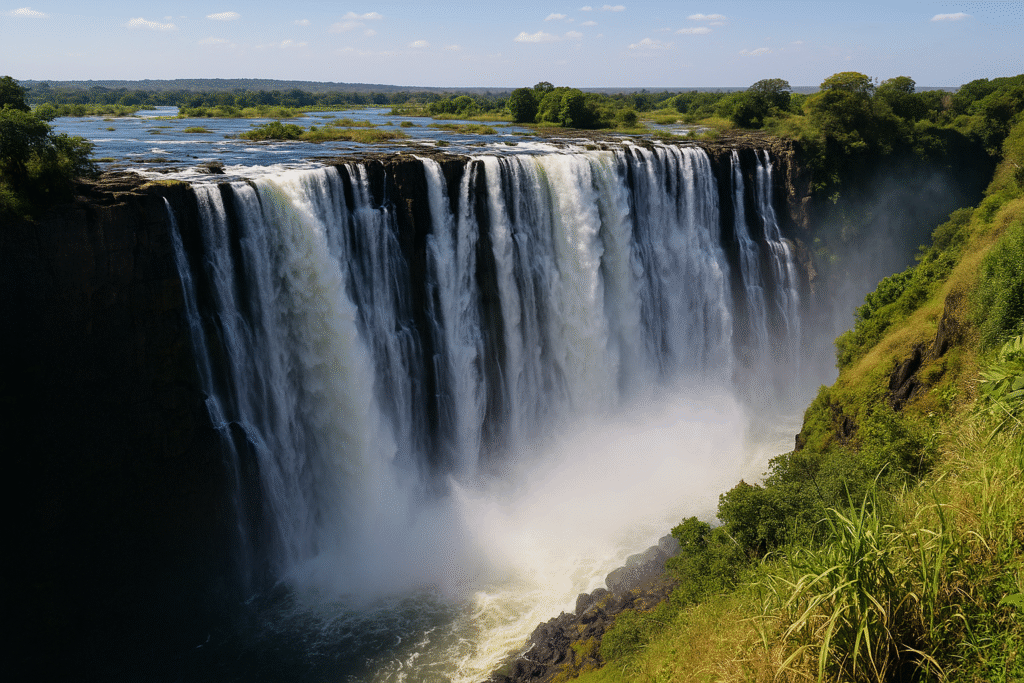
The announcement that Zimbabwe stood at the summit of global travel destinations marks more than just a headline—it signals a turning point for the country’s tourism identity. Analysts cite its dramatic landscapes, from the thunderous spray of Victoria Falls to the sweeping vistas of the Eastern Highlands, as central to its appeal. Both domestic and international travel platforms report sharp upticks in interest rates: flight enquiries to the capital Harare have climbed by more than 50 percent, and other gateway cities like Bulawayo are seeing search volumes surge by 80 percent.
Why Zimbabwe? The natural and cultural draw
At the heart of Zimbabwe’s resurgence lies one of Earth’s most awe-inspiring natural phenomena: Victoria Falls. The massive sheet of falling water on the Zambezi River is both a life-changing experience for travellers and a magnet for adventure tourism—white-water rafting, helicopter flights, gorge walks and more. But Zimbabwe’s appeal goes far beyond a single attraction.
Wildlife reserves like Hwange National Park offer jungle safaris, elephant herds and rare wildlife sightings. The dramatic granite hills of Matobo National Park echo with ancient rock art and spiritual tradition. The little-known Eastern Highlands invite hiking, cloud-forest walks and a slower connection with nature. Every element of adventure, beauty and authenticity is present.
Urban culture rises — Harare and Bulawayo lead the way
While Zimbabwe is often thought of for wild terrain and safari thrill, its cities are catching up fast. Harare has been renamed in travel feeds as a lively cultural hub: art galleries, street food, local museums and vibrant nightlife are becoming talking points for visitors. Bulawayo, meanwhile, serves as the gateway to Matobo and other historically rich sites; the rise in interest to the city reflects a desire for culture-and-nature combinations rather than just wildlife.
A moment of international acclaim
The recognition did not go unnoticed. Global travel outlets explicitly called out Zimbabwe’s rugged beauty, wildlife credentials and warm hospitality as key differentiators. One commentary described the recognition as “well-deserved”, praising Zimbabwe’s landscapes and biodiversity. This is a strong signal that the destination’s revival is being taken seriously at the highest levels of travel media.
Economic potential and tourism growth pathways
With the spotlight shining brightly, Zimbabwe’s tourism economy is poised for lift-off. The sector already contributes a meaningful share to national GDP and supports hundreds of thousands of jobs. With increased global awareness and rising bookings, expect visitor numbers to swell, foreign-exchange earning to accelerate and for tourism to become an even stronger pillar of the economy. Infrastructure upgrades—from lodges near major national parks to better roads and flight links—are underway to support this momentum.
Focus on sustainable, regional tourism
What sets Zimbabwe’s rise apart from many “emerging destination” stories is the emphasis on sustainability. Conservation efforts, local-community tourism models and eco-friendly accommodation are being incorporated into the growth narrative. Tourists visiting now will find a destination that is not only scenic but engaged with protecting its wildlife, landscapes and culture. It’s a model of travel that’s about long-term value rather than short-term glamour.
What this means for travellers
- Adventure seekers: From waterfalls to safaris, Zimbabwe offers adrenaline-rich experiences in beautiful wilderness.
- Culture and heritage lovers: Ancient ruins, rock-art sites and local traditions give the country deep layered appeal.
- Urban explorers: Harare and Bulawayo now offer more than baseline stops—they’re emerging travel destinations in their own right.
- Value and authenticity seekers: With global attention yet still fewer crowds than traditional safari destinations, Zimbabwe offers experiential travel that feels more real.
Planning your trip to Zimbabwe
If you’re considering a journey to Zimbabwe, now is the time. Decide the focus of your trip—whether it’s safari, waterfalls, hiking or culture—then look at region-based itineraries (Victoria Falls + Hwange, Eastern Highlands, Matobo). Ensure you allow sufficient time for internal travel, because the distances and terrain can make movement slower than expected. Choose lodges or camps that emphasise conservation and local engagement. Check flight and visa options early, as interest is rising and availability may tighten.
Looking ahead — Zimbabwe’s future in travel
With the recognition as 2025’s top destination now in the books, Zimbabwe’s challenge is converting interest into long-term, high-quality visitor flows. Infrastructure, connectivity, visitor-services training and regional spread will all play key roles. But if the early signs hold, Zimbabwe is set not just for a moment of travel fame—but for sustained growth as one of Africa’s most compelling destinations.
In summary, Zimbabwe’s elevation to global travel prominence is no surprise when you look at the richness of its offering: dramatic natural wonders, deep cultural layers, under-explored wild terrain and a commitment toward tourism that benefits both visitor and local community. Whether you’re drawn by the thunder of waterfalls, the call of the wild or the story of a destination on the rise, Zimbabwe is ready. For travellers thinking of where to go next, this is one moment you won’t want to miss.
For more travel news like this, keep reading Global Travel Wire