
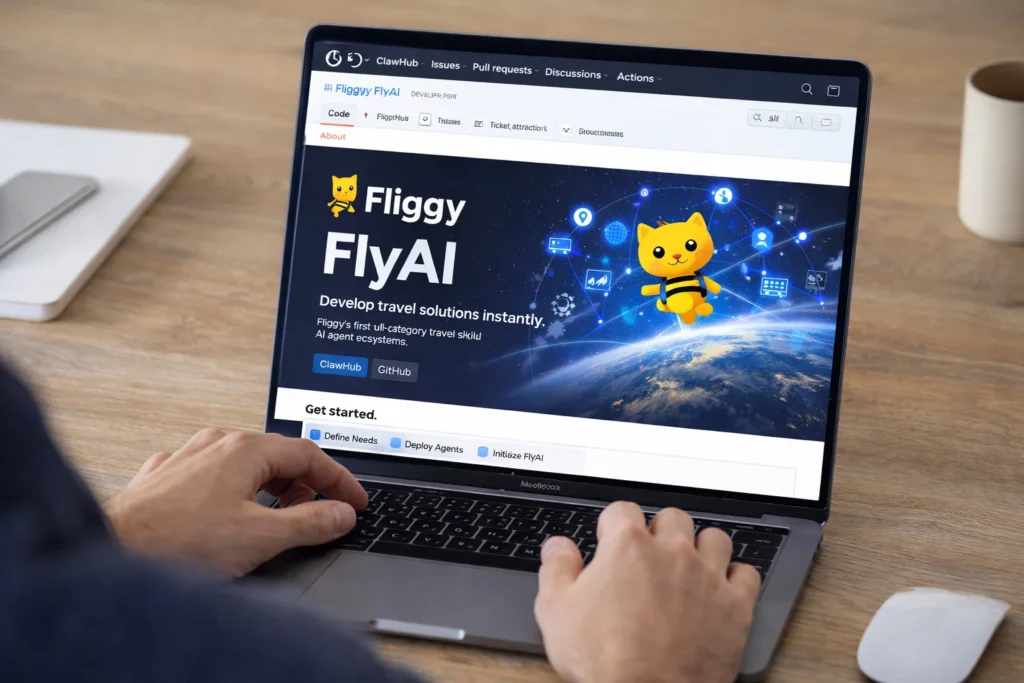
In a major leap toward the future of digital tourism, Fliggy has unveiled its innovative travel skill, a powerful tool designed to reshape how travel services are accessed, integrated, and delivered in the rapidly growing AI ecosystem. The launch marks a turning point in travel technology, where intelligent agents are becoming central to trip planning and booking experiences.
FlyAI is built to operate within modern AI environments, enabling seamless access to travel services without the need for complicated integration processes. Unlike traditional travel platforms that require extensive setup and technical configuration, this new solution offers a simplified, plug-and-play model. Developers and businesses can deploy it quickly, allowing them to create travel applications and services with minimal effort.
This development reflects a broader transformation in the tourism sector, where artificial intelligence is no longer a supporting tool but a core infrastructure. With FlyAI, travel is evolving from static booking systems into dynamic, intelligent ecosystems that can respond to user needs in real time. The platform connects various elements of travel, including flights, accommodations, local attractions, and ground transportation, into a unified framework.
One of the most significant aspects of FlyAI is its ability to support the entire travel journey. From the initial stage of discovering destinations to planning itineraries, booking services, and managing trips, the system offers a complete end-to-end solution. This integrated approach reduces the need for multiple platforms, creating a smoother and more efficient experience for both users and developers.
The technology is designed to work seamlessly with a range of AI agent platforms and applications. Its compatibility ensures that developers can incorporate travel services directly into their existing workflows without making major adjustments. This flexibility is expected to accelerate adoption across the industry, as businesses look for ways to enhance their digital offerings with intelligent capabilities.
Another key factor driving interest in FlyAI is its accessibility. By removing technical barriers, the platform opens the door for smaller developers and startups to participate in travel innovation. This democratization of technology encourages creativity and competition, leading to more diverse and personalized travel solutions. It also aligns with global trends in digital transformation, where simplicity and ease of use are critical for widespread adoption.
FlyAI is powered by a structured communication framework that enables smooth interaction between AI systems and travel services. This ensures consistency and reliability, even as the ecosystem expands. As more developers and platforms adopt the technology, this standardized approach will play a crucial role in maintaining seamless integration and scalability.
Early response to the launch has been strong, with growing interest from the developer community. Initial adoption indicates that there is significant demand for tools that simplify travel service integration within AI environments. This momentum suggests that FlyAI could become a foundational component in the next generation of travel technology.
The platform also supports a wide range of use cases, making it highly versatile. Developers can create customized travel packages, build corporate travel management tools, or design consumer-focused applications that offer personalized recommendations. The ability to combine multiple services into a single solution enhances efficiency and improves the overall user experience.
Looking ahead, Fliggy plans to expand the reach of FlyAI by integrating it into smartphone ecosystems. This strategy aims to bring AI-powered travel services directly to everyday users, making trip planning more intuitive and accessible. As mobile devices continue to dominate digital interactions, this move is expected to significantly increase user engagement and adoption.
The rise of AI-driven travel skills like FlyAI highlights a fundamental shift in how the tourism industry operates. Instead of relying solely on traditional booking platforms, travelers are increasingly turning to intelligent systems that can understand preferences, provide recommendations, and execute tasks automatically. This evolution is transforming travel into a more personalized and efficient experience.
For the industry, this shift presents both opportunities and challenges. Companies that embrace AI and invest in innovative solutions are likely to gain a competitive edge, while those that rely on outdated systems may struggle to keep up. FlyAI positions Fliggy at the forefront of this transformation, reinforcing its role as a leader in digital travel services.
By combining advanced technology with user-friendly design, FlyAI is setting a new standard for how travel services are delivered in the digital age. It represents a move toward a more connected, intelligent, and responsive tourism ecosystem, where planning and booking are seamlessly integrated into everyday digital interactions.
As the AI landscape continues to evolve, tools like FlyAI will play a crucial role in shaping the future of travel. With its focus on simplicity, scalability, and comprehensive service integration, Fliggy’s latest innovation is poised to redefine how travelers and businesses engage with the world of tourism.
For more travel news like this, keep reading Global Travel Wire