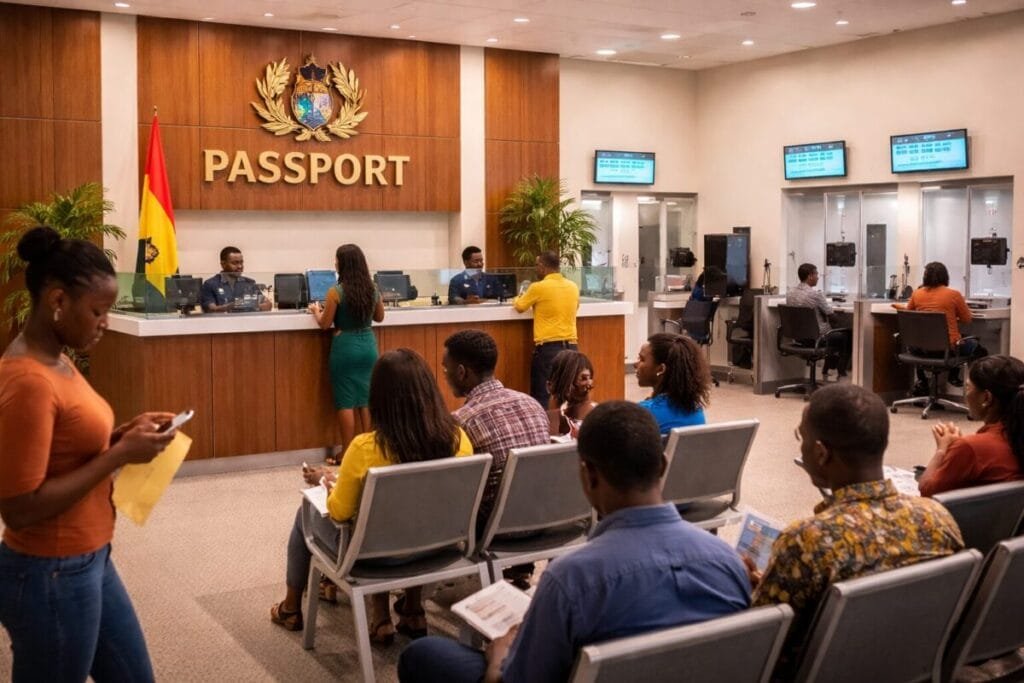
Ghana has started a significant transition in its travel document system. The Ministry of Foreign Affairs and Regional Integration closed premium passport application centres in Accra and Kumasi on February 20, 2026. This move marks the beginning of a broader modernization strategy focused on digital integration and enhanced security.
For years, premium centres provided faster passport processing for travelers willing to pay additional fees. Business travelers, students, and frequent flyers relied on these facilities for expedited service. However, government officials now prioritize long-term efficiency through system upgrades rather than maintaining separate fast-track offices.
The shift forms part of Ghana’s wider digital transformation agenda. Authorities aim to align immigration services with modern technological standards and global best practices.
Immediate Impact on Travelers Seeking Fast-Track Services
The closure of premium centres affects travelers who previously depended on rapid processing options. Applicants must now submit requests through Regional Passport Application Centres across the country.
Without dedicated fast-track facilities, applicants may experience longer processing timelines during the transition phase. Travel industry stakeholders expect increased pressure on regional offices due to higher demand.
Frequent travelers and corporate professionals must adjust their planning strategies. Last-minute travel arrangements may become more difficult until the upgraded system becomes fully operational. Travel advisors recommend applying for passports several months before departure dates.
Tourism and aviation operators also anticipate operational challenges. Since many travelers relied on expedited services, scheduling flexibility may decrease temporarily.
Government Focus on Digital Integration and Modern Infrastructure
Officials describe the closure as a strategic step toward a unified digital passport system. Authorities plan to integrate premium services into regional offices after completing system upgrades. This approach aims to provide equal access to advanced services nationwide.
Digital infrastructure upgrades include new software platforms and improved data management systems. Enhanced identity verification processes will strengthen document security. Officials believe these improvements will increase global confidence in Ghanaian passports.
Digital transformation remains a priority for many African governments seeking to improve administrative efficiency. Ghana’s initiative reflects broader trends toward electronic services and secure identity systems.
The ministry also plans to expand online application tools. Applicants will complete more steps digitally before visiting physical offices for biometric capture. This process could reduce congestion and speed up overall processing once fully implemented.
Security Enhancements Drive the Transition
Modern passport systems require advanced cybersecurity and identity protection measures. Ghana’s upgrade program focuses heavily on protecting personal data and preventing fraud.
Authorities aim to introduce stronger verification tools and updated hardware across regional offices. These measures will improve document authenticity and reduce risks associated with identity theft.
International travel regulations continue to evolve, with many countries strengthening border security requirements. By improving passport technology, Ghana hopes to meet global standards and enhance international mobility for its citizens.
Regional Passport Centres Become Primary Processing Hubs
With premium centres closed, regional offices now handle all passport applications. These centres serve as the main locations for biometric registration, document submission, and processing.
Government officials encourage applicants to use online portals before visiting physical locations. Digital pre-registration helps reduce queues and improves workflow efficiency.
Despite these efforts, increased foot traffic remains likely during the transition period. Authorities continue to monitor demand levels and adjust operational procedures where necessary.
Regional staff have received updated training and guidelines to manage higher volumes. Government agencies emphasize the importance of patience as systems undergo improvement.
Advice for Tour Operators and Travel Professionals
Travel agencies must update their planning strategies to reflect new processing timelines. Passport validity requirements often influence visa applications and flight bookings. Therefore, travel consultants should advise clients to begin document preparation earlier than before.
International tour operators working with Ghana-based travelers must communicate potential delays clearly. Proactive communication reduces disruptions and supports smoother travel experiences.
Students preparing for overseas education and business travelers attending global events should prioritize early passport renewal. Travel experts stress that waiting until the last minute now carries greater risk.
Tourism Sector Watches the Transition Closely
Ghana’s tourism industry continues to grow, supported by government initiatives promoting cultural heritage and regional travel. Efficient passport services remain essential for outbound travel and international partnerships.
Industry leaders acknowledge that short-term challenges may arise during system upgrades. However, many believe that digital modernization will strengthen Ghana’s travel infrastructure over time.
Improved passport processing can enhance traveler confidence and support smoother international mobility. Efficient documentation also benefits airlines, tour operators, and visa authorities by reducing administrative delays.
Long-Term Vision: Equal Access to Faster Services Nationwide
Government officials emphasize that premium services may return in a new format. Instead of centralized fast-track centres, authorities plan to integrate expedited options into regional offices.
This approach aims to reduce geographic inequality by offering faster processing closer to citizens’ homes. Travelers may eventually access premium-level service without traveling to major cities.
Digital tools and streamlined procedures will play a key role in achieving this goal. Officials expect improved automation and data sharing to reduce manual processing time.
What Travelers Should Do Now
Travelers planning international trips should review passport validity immediately. Early applications reduce stress and avoid potential delays.
Applicants should use official online platforms for initial submissions whenever possible. Preparing required documents in advance can shorten in-person appointments.
Staying informed about policy updates remains important during the transition phase. Government announcements will provide guidance as new systems roll out.
A Turning Point for Ghana’s Travel Administration
The closure of premium passport centres marks a major change in Ghana’s travel documentation system. While travelers face temporary inconvenience, authorities believe the digital overhaul will deliver long-term benefits.
Modernized systems promise stronger security, wider accessibility, and more consistent service across the country. As Ghana continues to integrate technology into public administration, the passport upgrade signals a step toward a more efficient future for international travel.
For more travel news like this, keep reading Global Travel Wire