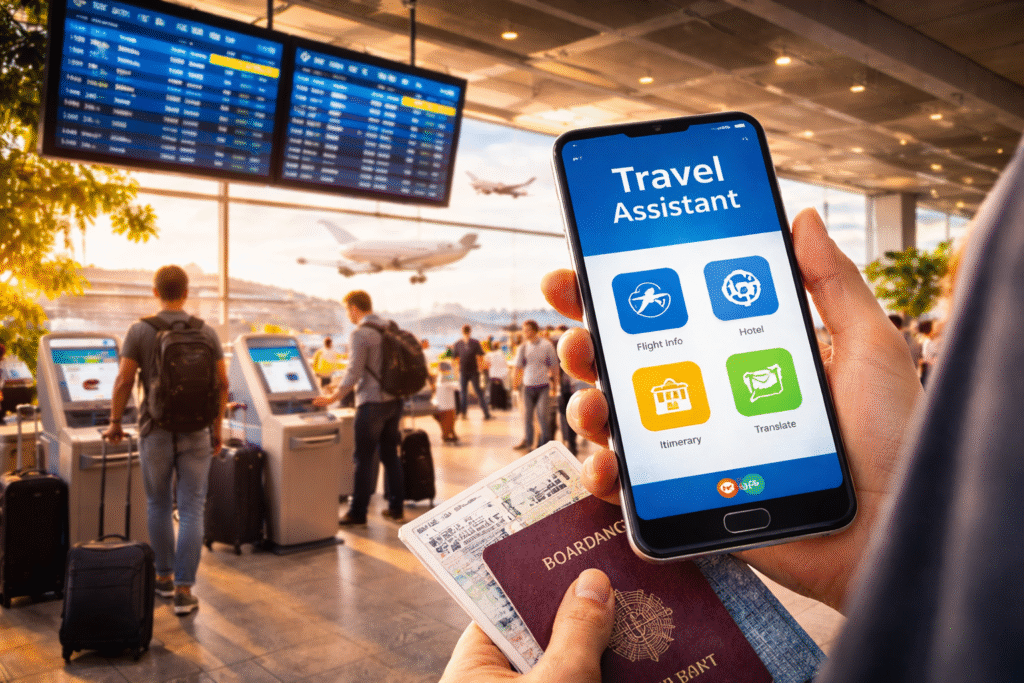
Global travel entered a defining phase in 2025. Travelers stopped accepting confusion, delays, and uncertainty. They demanded clarity, predictability, and seamless journeys.
This shift did not center on destinations alone. It focused on how travel feels from planning to arrival. Travelers now expect systems that support confidence and control.
As international travel volumes surged, expectations rose even faster. This change now shapes the foundation for global mobility in 2026.
Travel Growth Meets a Smarter Traveler Mindset
International arrivals crossed 1.1 billion in the first nine months of 2025. Travel demand exceeded pre-pandemic levels. Yet behavior changed more than volume.
Travelers planned earlier and researched deeper. They compared systems, timelines, and support services. Guesswork lost appeal.
People no longer traveled reactively. They traveled with intention and preparation. This mindset now defines modern mobility.
Clarity Becomes a Core Travel Requirement
In 2025, clarity shifted from a bonus to a necessity. Travelers demanded clear timelines and transparent processes.
Visa planning changed dramatically. Travelers planned around certainty rather than hope. Reliable information shaped destination choices.
This trend proved strong in emerging outbound markets. Digital-first travelers valued predictability above speed. Clear rules reduced anxiety and errors.
Clarity built trust. Trust increased compliance and confidence. Mobility systems benefited as well.
Predictability Strengthens Global Mobility
Predictable systems help everyone involved. Travelers plan better and feel secure. Authorities receive stronger applications and smoother workflows.
Unclear processes caused frustration in the past. In 2025, travelers rejected that experience.
Predictability now signals reliability. It influences booking decisions and repeat travel. For 2026, predictability will define competitive advantage.
Seamless Travel Experiences Take Priority
Travelers in 2025 expected journeys without friction. They wanted reassurance at every stage.
Their expectations extended beyond approvals. They wanted smooth documentation, guided support, and stress-free transitions.
Services that reduced effort gained popularity. Doorstep assistance, digital document handling, and premium support saw strong demand.
Travelers valued ease over shortcuts. They paid more for reliability and peace of mind.
Value Shifts from Speed to Support
Speed alone no longer satisfied travelers. Support and structure mattered more.
First-time travelers and families valued guided services. Smaller-city travelers sought reassurance and clarity.
These preferences showed resilience in demand. Even with rising costs, travelers continued to book.
For 2026, systems must remove friction early. Delayed solutions no longer work.
AI Becomes a Travel Companion
2025 marked the rise of the AI-enabled traveler. Intelligent tools helped travelers plan with confidence.
AI supported destination research and document preparation. It clarified requirements and reduced uncertainty.
Travelers used AI to avoid mistakes. They relied on predictive insights and real-time guidance.
Confidence replaced guesswork. Planning became smarter and calmer.
AI Transforms Industry Operations
AI also reshaped backend systems. It improved data accuracy and reduced errors.
Authorities benefited from cleaner submissions. Service providers handled volume more efficiently.
AI supported better decision-making across the ecosystem. It enhanced outcomes for travelers and institutions alike.
This transformation redefined efficiency standards.
Responsibility Shapes the Next AI Phase
As AI adoption grew, responsibility became essential. Travelers demanded transparency and accountability.
Privacy and explainability gained importance. Blind automation no longer built trust.
Successful systems balanced intelligence with oversight. Human judgment remained central.
For 2026, ethical AI will define credibility. Trust will determine adoption.
Mobility Systems Require a Holistic View
Travel and tourism will generate millions of jobs over the next decade. Growth demands resilient systems.
Mobility does not operate in silos. Visas, borders, aviation, and tourism connect deeply.
Weakness in one area affects the entire journey. Integrated design now matters more than ever.
Policymakers must focus on interoperability. Systems must communicate and adapt together.
Service Providers Must Lead with Empathy
Technology alone cannot solve every challenge. Empathy remains critical.
Service providers must understand traveler stress points. Clear communication and support reduce friction.
Excellent service builds loyalty and trust. Empathy turns efficiency into satisfaction.
The best systems feel human, not mechanical.
What 2026 Will Demand from the Industry
If 2025 restored global mobility, 2026 will refine it. Travelers will demand better by default.
They will expect clarity without effort. Support must feel built in, not optional.
AI must work quietly and effectively. Intelligence should simplify, not confuse.
Systems that deliver these outcomes will scale successfully.
Trust Becomes the Ultimate Currency
Travel relies on trust more than ever. Trust drives bookings, compliance, and loyalty.
Clear systems reduce fear and hesitation. Predictable journeys encourage exploration.
When travelers trust systems, mobility grows sustainably.
Trust ensures longevity, not just volume.
Global Mobility Must Balance Scale and Care
Free movement fuels economic growth and connection. It also requires responsibility.
Governments and providers must balance security with humanity. Fairness and transparency matter.
Systems should enable opportunity without complexity. This balance defines future success.
The Foundation for the Future of Travel
2025 laid the groundwork for a new travel era. Travelers reclaimed control and confidence.
2026 will test system readiness. Those who embed clarity, predictability, and empathy will lead.
Seamless journeys will no longer impress. They will be expected.
When mobility systems earn trust, they endure. The future of global travel depends on it.
For more travel news like this, keep reading Global Travel Wire