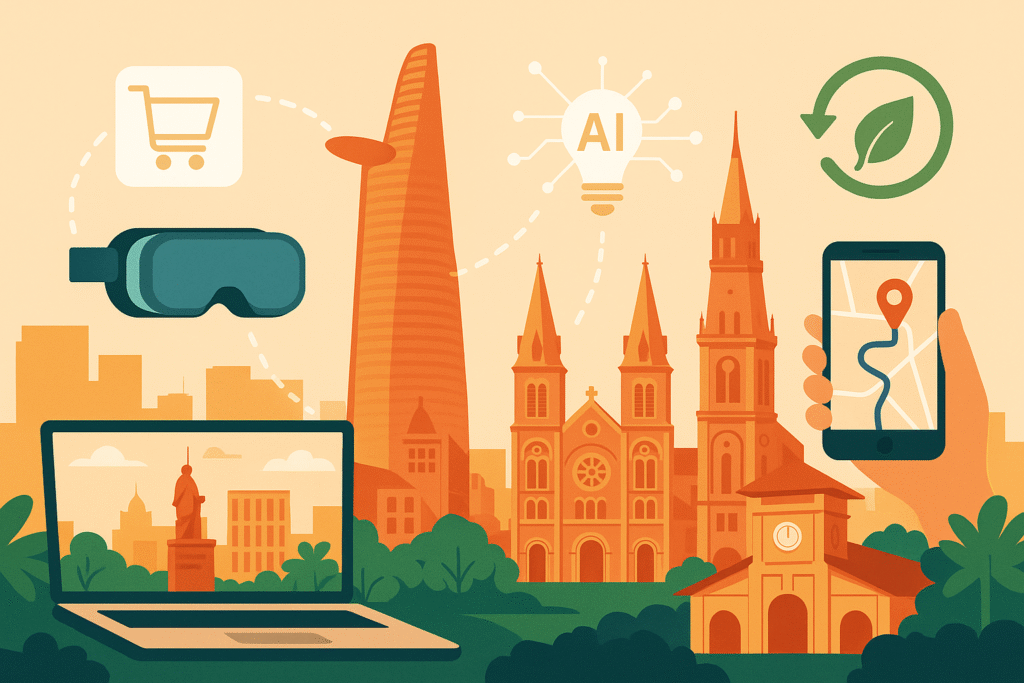
In a bold move to elevate its tourism industry into the digital age, Ho Chi Minh City is embracing a sweeping transformation of services and experiences aimed at both domestic and international visitors. The city’s tourism authorities have identified information technology and digital solutions as key levers to boost competitiveness, enhance visitor satisfaction and support sustainable economic growth across the travel sector.
Digital Transformation as a Tourism Game-Changer
Tourism officials in Ho Chi Minh City have made it clear that digital transformation and the rollout of smart tourism are far more than a trend—they are essential strategies to strengthen the city’s position as a destination of choice. By embedding technology into every stage of the visitor experience—accommodation, dining, shopping, tours and cultural visits—the city is working to meet changing traveller expectations while improving service accessibility and convenience.
Upgraded tools such as interactive mapping, e-commerce portals and mobile booking systems are making it simpler for tourists to plan and personalise their itineraries. At the same time, these innovations help tourism providers optimise operations and respond more flexibly to evolving market demands.
Immersive Tech: 3D Maps, VR & Interactive Platforms
A standout achievement in the city’s plans is the introduction of a “3D/360 Interactive Tourism Map” that gives visitors real-time, visually rich information on historic sites, museums, hotels, dining venues and entertainment options. With detailed data on opening hours, nearby amenities and historical background, the tool enhances planning and exploration of the city’s many facets.
Beyond mapping, many cultural venues in Ho Chi Minh City are leveraging virtual reality (VR), augmented reality (AR) and robotic guides to create immersive visitor experiences. For example, museums are deploying automated information stations and 3D displays to bring history and art to life in new ways. These immersive formats appeal particularly to younger, tech-savvy travellers and help transform cultural visits from passive to interactive.
E-Commerce and Smart Dining Experiences
Recognising that travel is as much about food and local experiences as it is about sights, the city’s tourism body has partnered with major platforms to reimagine how visitors engage with cuisine. One initiative, a “Foodie Passport” programme delivered through a popular local dining app, allows tourists to record their culinary journeys—exploring themed food trails, sampling regional specialties and sharing their experiences via digital platforms.
At the same time, nearly 700 tourism-related products—local crafts, services, tours and accommodation—have been added to e-commerce portals. Through these channels visitors can research, book and pay for experiences neatly from their devices, reducing friction and boosting uptake.
Culture, Heritage and Smart Management
Ho Chi Minh City is also leveraging digital technologies to preserve and promote its rich cultural and heritage assets. Digitisation initiatives include use of geographic information systems (GIS) to manage the city’s heritage parks, trees, architecture and folk-art festivals. These efforts enable more sophisticated urban-heritage management and make cultural sites more accessible and digitally enhanced for tourists.
Alongside production of high-tech exhibitions and smart visitor interfaces, the city is emphasising sustainability and responsible tourism. Digital tools help monitor resource consumption, streamline visitor flows and enable environmentally sensitive site management—ensuring that growth doesn’t come at the expense of heritage or ecology.
Smart Tourism for Sustainable Futures
The digital strategy ties closely into wider governmental efforts to build a smart tourism ecosystem across Vietnam. The national tourism authority supports efforts such as e-ticketing, cashless payments and big-data analytics to better understand visitor trends, manage resources and foster innovation. Ho Chi Minh City is stepping front-and-centre in this drive, with strategic partnerships and infrastructure developments underscoring its ambitions.
One such partnership focuses on building a smart tourism infrastructure defined by artificial intelligence (AI), blockchain and green economy principles. By linking businesses, technology firms and regulatory agencies, the city aims to provide advanced services while embedding sustainability into its digital tourism architecture.
Vision, Innovation and the Way Ahead
Looking forward, city leaders have outlined a vision for a tourism sector that is green, smart and globally integrated. Officials emphasise the importance of encouraging tourism enterprises, local communities and cultural stakeholders to adopt technological solutions, share practical innovation and collaborate on digital transformation initiatives.
Smaller yet meaningful digital upgrades—from multilingual information systems to personalised itinerary suggestion engines—are viewed as cumulative contributors to a safer, smarter and more attractive city for travellers. At the same time, by aligning digital practices with environmental and cultural goals, Ho Chi Minh City is seeking to avoid the pitfalls of rapid tourism expansion and instead frame growth within a sustainable, future-oriented model.
A Tech-Forward Destination with Cultural Roots
By melding its rich cultural heritage with cutting-edge technology, Ho Chi Minh City is positioning itself as a pioneer among Asian destinations that offer both authenticity and convenience. Tourists today expect more than scenic views: they seek interaction, personalisation, ease of access and meaningful engagement. The city’s digital tourism push responds to exactly that.
As immersive technologies such as VR and AR draw visitors into heritage sites in fresh ways, and e-commerce platforms simplify bookings and services, the infrastructure is being laid for a tourism industry that is resilient, modern and visitor-centric.
Conclusion
Ho Chi Minh City’s commitment to digital transformation in tourism marks a significant transition in how the destination is marketed, consumed and managed. Through innovative use of technology—especially in mapping, immersive experiences, e-commerce and heritage digitisation—the city is enhancing visitor experiences while advancing economic growth and sustainable practices.
With these reforms, Ho Chi Minh City not only expects to attract more travellers, but to deliver smarter, richer and more sustainable visits that reflect its cultural essence and technological promise. The city is emerging as a model for how destinations can integrate digitalisation and heritage into a compelling tourism future.
For more travel news like this, keep reading Global Travel Wire