


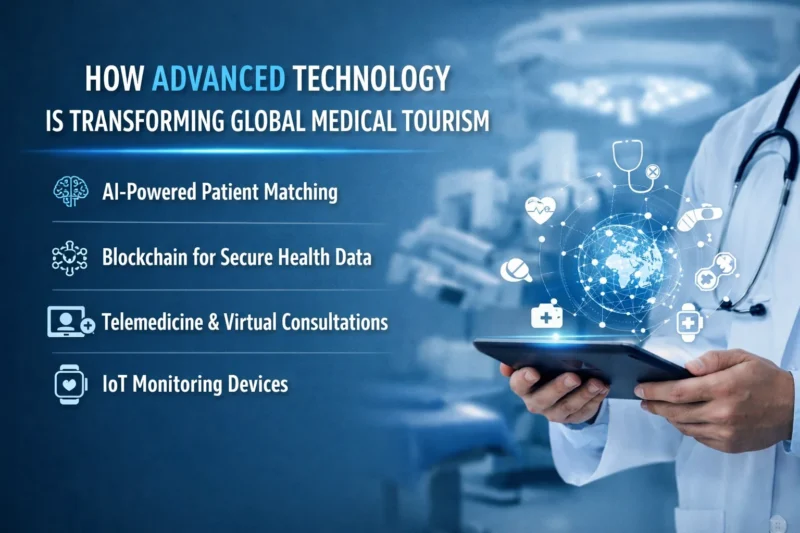







The global medical tourism industry is undergoing a major transformation as advanced technologies redefine how patients travel for healthcare. What was once a fragmented process involving multiple intermediaries is now evolving into a streamlined, digitally connected ecosystem powered by artificial intelligence, blockchain, and smart health devices.
As more patients seek affordable, high-quality treatment abroad, the integration of technology is playing a critical role in improving safety, transparency, and efficiency. This shift is not only enhancing the patient experience but also positioning medical tourism as one of the fastest-growing segments in global travel.
A Shift Toward Digitally Connected Healthcare Journeys
Medical tourism has existed for decades, but the experience often involved logistical challenges, communication barriers, and limited access to reliable information. Today, digital tools are eliminating many of these obstacles by enabling seamless coordination between patients, healthcare providers, and travel services.
Modern patients are no longer passive travellers; they are active participants in a connected healthcare journey. From the initial consultation to post-treatment recovery, technology ensures that every stage is integrated and accessible.
This transformation is being driven by increasing demand for transparency, better outcomes, and personalized care across international borders.
Artificial Intelligence Enhances Decision-Making
Artificial intelligence is playing a central role in improving how patients choose healthcare providers abroad. Advanced algorithms analyze large volumes of data, including treatment success rates, patient reviews, and clinical expertise, to match individuals with the most suitable hospitals and specialists.
This data-driven approach allows patients to make informed decisions based on objective insights rather than relying solely on marketing or recommendations. It also reduces uncertainty, a key concern for those considering treatment in unfamiliar destinations.
AI is also improving communication through real-time translation tools, enabling patients to understand complex medical information in their native language. This reduces the risk of miscommunication and ensures that patients can provide informed consent with confidence.
Blockchain Strengthens Data Security and Transparency
One of the biggest challenges in medical tourism has been the secure handling of sensitive patient data. Blockchain technology is addressing this issue by providing a decentralized and encrypted system for storing and sharing medical records.
With blockchain, patient information can be securely accessed by authorized healthcare providers across different countries, ensuring continuity of care. The technology also creates a transparent record of all data interactions, reducing the risk of unauthorized access or manipulation.
In addition to data security, blockchain is simplifying financial transactions. Smart contracts enable automated payments based on predefined conditions, reducing the need for intermediaries and minimizing the risk of fraud.
Telemedicine Bridges Distance Gaps
Telemedicine has become a cornerstone of modern medical tourism, allowing patients to consult with doctors remotely before and after their سفر. Virtual consultations help determine whether a patient is suitable for a specific procedure, reducing unnecessary travel.
This approach not only saves time and costs but also ensures that patients have realistic expectations before committing to treatment abroad. After the procedure, telemedicine enables continuous follow-up care, allowing doctors to monitor recovery and address any complications promptly.
The ability to maintain communication across borders enhances patient confidence and improves overall outcomes.
Internet of Things Enhances Recovery and Monitoring
The Internet of Things is introducing a new level of personalization to patient care. Wearable devices and connected health monitors allow real-time tracking of vital signs such as heart rate, blood pressure, and oxygen levels.
This data is transmitted directly to healthcare providers, enabling early detection of potential issues during recovery. Whether patients are staying in recovery facilities or have returned home, continuous monitoring ensures that they remain under medical supervision.
Smart hospital environments are also becoming more common, with automated systems adjusting lighting, temperature, and other factors to create optimal healing conditions. These innovations contribute to a more comfortable and efficient recovery process.
Improving Patient Experience Through Digital Integration
The integration of technology is creating a more seamless and patient-centric experience. Digital platforms allow patients to manage appointments, access medical records, and coordinate travel arrangements from a single interface.
This level of convenience reduces stress and simplifies the overall journey, making medical tourism more accessible to a wider audience. Personalized services, supported by data and technology, are becoming a key differentiator for healthcare providers.
Economic Impact and Industry Growth
The adoption of advanced technology is reshaping the economic landscape of medical tourism. Countries investing in digital healthcare infrastructure are gaining a competitive advantage, attracting international patients seeking both quality treatment and a smooth experience.
Healthcare providers are also benefiting from increased efficiency and improved patient outcomes, which enhance their reputation in the global market. The industry is seeing significant investment in innovation, with new platforms and solutions being developed to support medical travellers.
As a result, medical tourism is expected to continue its rapid growth, driven by technological advancements and rising global demand.
Challenges and Future Opportunities
Despite the progress, challenges remain, including regulatory differences, data standardization, and the need for international collaboration. Ensuring that technologies are accessible and secure across borders will be essential for sustained growth.
However, the future of medical tourism looks promising. Emerging technologies such as 5G connectivity and robotic-assisted procedures are expected to further enhance the industry. The concept of remote surgeries and digital simulations is becoming increasingly feasible, opening new possibilities for global healthcare.
A New Era for Global Patient Travel
The integration of advanced technology is redefining medical tourism, transforming it into a more efficient, secure, and patient-focused industry. By leveraging AI, blockchain, and IoT, healthcare providers and travel services are creating a seamless experience that meets the needs of modern patients.
As the industry continues to evolve, the focus will remain on delivering high-quality care while ensuring safety and convenience. This new era of medical tourism is not just about travelling for treatment—it is about creating a connected, global healthcare experience that benefits patients worldwide.
For more travel news like this, keep reading Global Travel Wire