India’s railway network continues to evolve through advanced telematics technology, transforming how tourists experience rail travel. The government has accelerated digital modernization under national technology initiatives, placing railways at the center of tourism growth and improved passenger convenience.
Indian Railways remains one of the most important transportation systems for domestic and international visitors. With millions relying on trains to explore the country, digital innovation now plays a crucial role in delivering safer, faster, and more connected travel experiences.
Telematics Driving a Digital Transformation
Telematics technology combines GPS tracking, data analytics, and communication systems to monitor trains in real time. Indian Railways has introduced these systems across various routes to improve operational efficiency and passenger satisfaction.
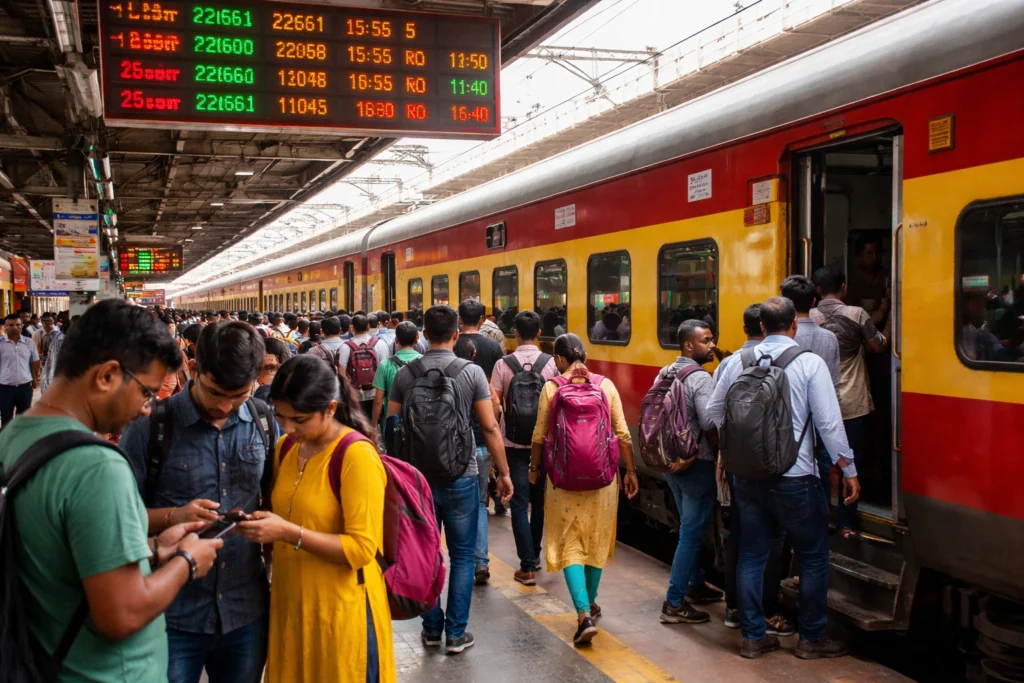
Passengers now receive live updates about train locations, expected arrival times, and schedule adjustments. These features allow travelers to plan connections more accurately and reduce travel uncertainty. Tourists benefit greatly because real-time information helps them navigate unfamiliar regions.
Digital monitoring tools also support railway operators in managing traffic flow across busy routes. This technology helps maintain punctuality while improving overall service reliability.
Enhancing Passenger Safety Through Smart Monitoring
Safety stands as a top priority within India’s railway modernization efforts. Telematics systems provide continuous monitoring of train performance and track conditions. Operators can identify potential issues early and take preventive action before disruptions occur.
Predictive maintenance plays a key role in this process. Sensors and data analysis detect wear and mechanical stress, enabling maintenance teams to address problems before failures arise. This proactive approach reduces delays and enhances traveler confidence.
Foreign tourists often feel more secure when they receive accurate updates and transparent communication. Digital safety improvements therefore strengthen India’s reputation as a reliable travel destination.
Passenger Information Systems Improve Travel Experience
Modern passenger information systems integrate schedules, platform details, and travel alerts into one unified digital environment. Travelers access this information through mobile applications, station displays, and onboard announcements.
These systems simplify navigation inside large railway stations. Tourists who face language barriers benefit from multilingual digital interfaces that provide clear instructions and updates. Improved accessibility ensures smoother transfers between trains and reduces confusion during busy travel periods.
The Centre for Railway Information Systems has played a central role in integrating digital platforms across the network. Their efforts ensure consistent information delivery across various services and applications.
Luxury Tourism Trains Gain New Advantages
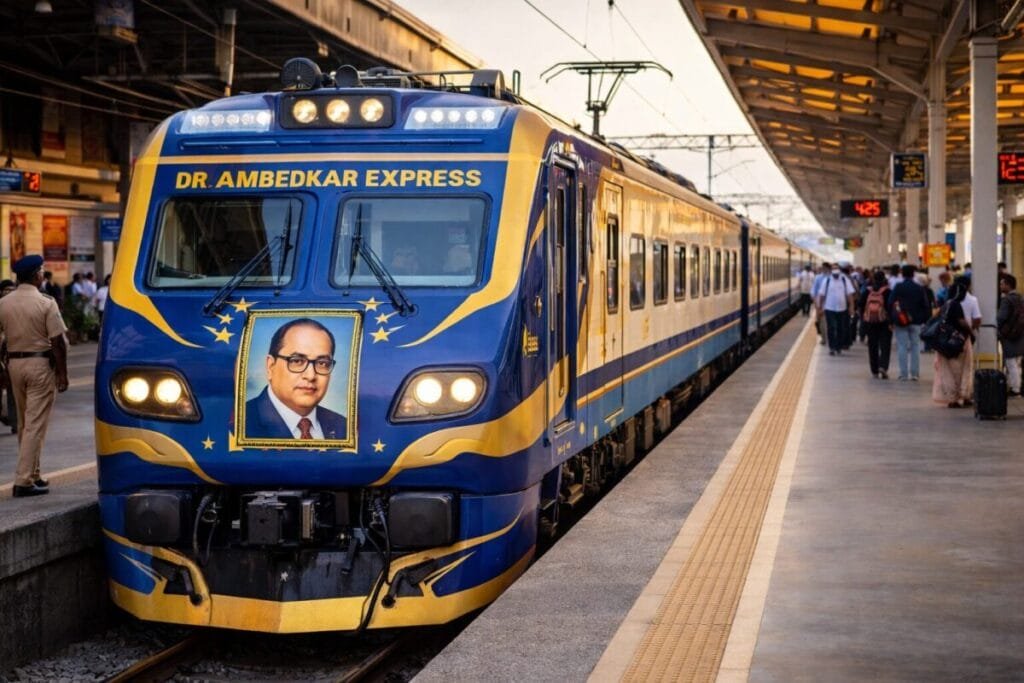
Telematics technology enhances operations on luxury tourism trains as well. Premium services such as heritage and luxury trains rely on precise scheduling and personalized onboard experiences. Real-time data helps operators manage services efficiently while maintaining high standards.
Accurate monitoring allows staff to adjust catering schedules, manage onboard amenities, and improve customer service. International travelers who choose luxury rail journeys benefit from smoother travel planning and more reliable itineraries.
Luxury rail tourism continues to grow as travelers seek unique cultural experiences combined with comfort. Telematics strengthens this sector by ensuring seamless coordination across multiple services.
Benefits Extend to Regional and Scenic Routes
Digital innovation does not focus only on premium services. Regional trains that connect tourist destinations also benefit from telematics integration. Routes passing through hill stations, heritage cities, and cultural landmarks now operate with improved reliability.
Tourists traveling to iconic locations such as historical monuments or scenic landscapes enjoy more predictable schedules. Real-time updates help travelers adjust plans quickly when needed. This reliability encourages more people to choose rail travel over other transportation methods.
The technology also supports tourism development in remote regions by improving connectivity. Better train performance encourages visitors to explore lesser-known destinations, boosting local economies.
Integration with National Digital Tourism Goals
India’s digital railway transformation aligns with broader tourism modernization efforts. Government initiatives aim to create seamless travel ecosystems that connect transportation, accommodation, and attractions through digital platforms.
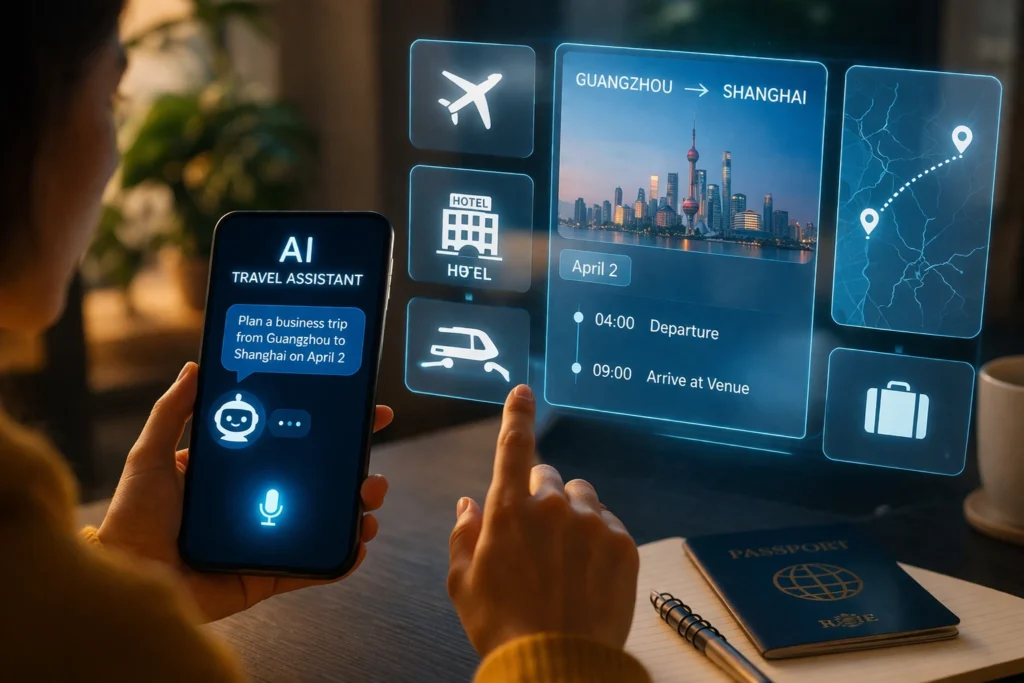
Telematics technology plays a vital role in achieving this vision. Integrated systems allow tourists to manage bookings, track journeys, and access travel information through connected services. This approach simplifies travel planning and enhances overall visitor experience.
Contactless ticketing and digital payment options further support paperless travel. These innovations reduce queues at stations and streamline boarding processes, making rail journeys more efficient.
Economic and Tourism Impact
Improved rail services directly influence tourism growth. Reliable transport encourages travelers to explore multiple destinations during one trip. Efficient railway operations reduce travel stress and allow tourists to focus on cultural exploration and leisure activities.
Regional businesses also benefit from increased visitor flow supported by reliable train connectivity. Hotels, restaurants, and local attractions experience higher demand as travel becomes more convenient.
Industry experts believe that smart railway systems strengthen India’s global tourism competitiveness. Modern technology demonstrates the country’s commitment to innovation while preserving its rich cultural travel experiences.
Future Outlook for Smart Rail Travel
Indian Railways plans to expand telematics technology across additional routes and services. Continuous data analysis will improve scheduling accuracy, reduce operational costs, and enhance passenger comfort.
As technology evolves, travelers can expect more personalized travel features and integrated digital services. These improvements position India’s railway network as a cornerstone of modern tourism infrastructure.
The adoption of telematics marks a significant step toward smarter rail travel. By combining safety, efficiency, and digital innovation, Indian Railways continues to redefine how tourists explore the country. The transformation ensures that rail journeys remain an essential and enjoyable part of India’s travel experience.
For more travel news like this, keep reading Global Travel Wire