Europe is accelerating its move toward sovereign artificial intelligence, a strategic effort aimed at strengthening digital independence while reshaping the future of tourism across the continent. As destinations such as Paris, Berlin, and Brussels adapt to rapid technological change, the shift toward homegrown AI is enhancing visitor experiences, supporting local economies, and ensuring that innovation aligns with Europe’s well-established standards for privacy and ethics.
At its core, sovereign AI refers to artificial intelligence systems that are developed, hosted, and regulated within Europe. This framework seeks to reduce reliance on non-European tech giants and allow EU nations to retain control over data governance, cybersecurity, and digital infrastructure. For the tourism sector, the implications are profound: more personalised services, safer digital interactions, and smarter destination management practices.
AI as the New Backbone of European Travel
Across the continent, AI is becoming an essential tool for improving the traveller journey. Tourism boards are using sophisticated algorithms to analyse visitor interests and behavioural patterns, enabling them to offer tailored suggestions—from cultural events and hidden-gem attractions to dining recommendations that match a traveller’s preferences. These personalised insights not only enhance the quality of each trip but also help visitors explore with greater confidence and efficiency.
Automated translation tools powered by AI are also playing a significant role in making Europe more accessible to global travellers. Handheld apps and wearable devices can now instantly translate menus, signage, and conversations, reducing language barriers that once posed challenges. This ensures smoother communication with locals and a more seamless cultural exchange.
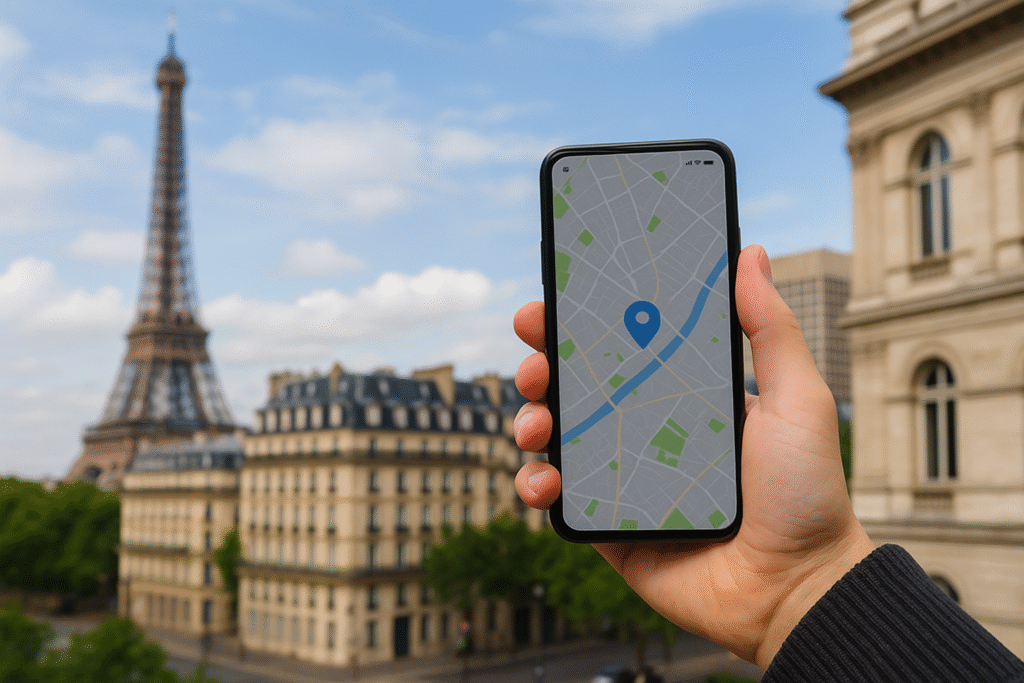
AI-enhanced navigation tools further support visitors by providing real-time updates on public transportation, crowd levels at major attractions, and weather-based activity suggestions. These systems help travellers make smarter decisions and enjoy more fluid, stress-free experiences throughout their stay.
Empowering Local Businesses and Driving Economic Growth
Europe’s sovereign AI initiatives are not only enhancing visitor experiences—they are also delivering powerful tools for local businesses. Small and medium-sized tourism operators, including boutique hotels, independent tour agencies, and artisan shops, are gaining access to AI systems once affordable only to major corporations.
These tools help businesses manage bookings, optimise pricing based on demand, and build targeted marketing strategies that reach the right audiences. By improving operational efficiency, sovereign AI enables smaller enterprises to compete more effectively in the global tourism landscape.
AI-driven analytics also give cities the ability to track tourism trends with greater accuracy. Local governments can understand peak travel periods, visitor spending habits, and cultural hotspots, allowing them to better allocate resources and create policies that support long-term economic vitality.
Sustainability at the Heart of Europe’s AI Vision
A key pillar of Europe’s sovereign AI strategy is sustainability—a core priority for destinations committed to protecting their cultural heritage and environmental health. AI tools are now helping tourism authorities manage visitor flows, preventing overcrowding in popular areas such as historic city centres, national parks, and UNESCO-listed sites.
By analysing foot traffic and travel patterns, AI can suggest alternative routes or attractions, encouraging travellers to explore lesser-known neighbourhoods or emerging rural destinations. This helps distribute tourism benefits more evenly and reduces the strain on heavily visited landmarks.
Environmental monitoring powered by AI is also becoming increasingly common. Sensors and predictive models can track air quality, waste levels, and carbon emissions, enabling cities to adjust tourism-related activities before environmental thresholds are exceeded. Such tools align with Europe’s broader sustainability goals and help ensure that travel remains both responsible and respectful.
The EU’s Ambitious Push for Digital Sovereignty
Driven by the desire to secure long-term technological independence, the European Union continues to invest in major initiatives designed to expand AI research and strengthen digital infrastructure. Projects such as AI innovation hubs and European-owned cloud platforms support the development of advanced systems while upholding the strict privacy standards embedded in European law.
These efforts ensure that tourism-related AI applications—from biometric border control to personalised travel assistants—adhere to ethical frameworks that prioritise user safety, transparency, and accountability. Europe aims to set a global benchmark for trustworthy AI, differentiating itself from other markets that may prioritise speed over responsible innovation.
Challenges on the Path to Implementation
Despite significant progress, Europe faces several challenges in scaling sovereign AI across all tourism sectors. Not all countries have equal access to digital infrastructure, and smaller destinations may struggle to implement AI tools without additional funding and training.
There is also an ongoing need to ensure that businesses of all sizes can adopt these technologies. While large tourism companies may integrate AI quickly, smaller operators require long-term support to maximise the benefits of digital transformation.
Ethical considerations remain a central concern as well. Europe’s commitment to privacy means that every AI model used in tourism must comply with robust data protection standards. Maintaining traveller trust requires continuous oversight to ensure algorithms remain fair, transparent, and secure.
A Smarter, Safer, More Connected Future for Travellers
As Europe strengthens its digital sovereignty, the tourism industry is entering a new era—one defined by deeper personalisation, enhanced safety, and smarter sustainability practices. For visitors, this means richer cultural experiences and more intuitive interactions with destinations. For local communities, sovereign AI offers increased economic resilience and stronger protection of cultural and natural assets.
With its commitment to ethical innovation, Europe is poised to become a global leader in AI-driven tourism. The future of travel across the continent will be not only technologically advanced but also deeply aligned with the values that make Europe one of the world’s most cherished destinations.
For more travel news like this, keep reading Global Travel Wire