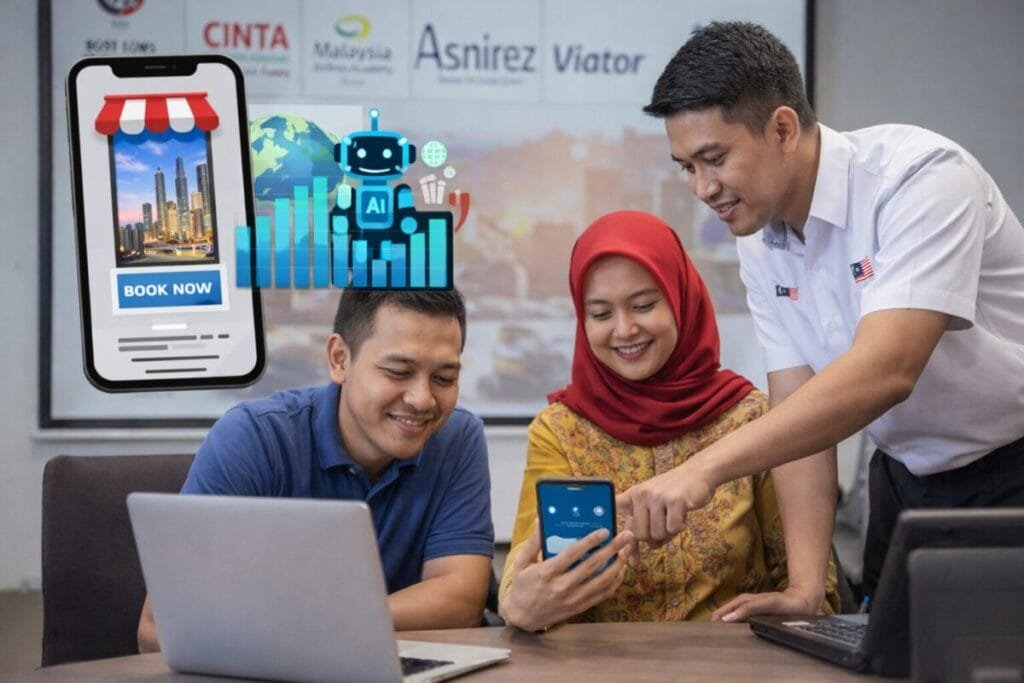
Malaysia has launched an innovative AI-driven tourism training programme designed to empower small travel operators with advanced digital skills. The Consortium of Inbound Tourism Alliance (CINTA) leads the initiative, focusing on helping local tourism businesses modernise operations and strengthen their global competitiveness.
The programme aims to equip participants with tools to build online platforms, implement booking systems, and manage digital payments effectively. As tourism becomes increasingly technology-driven, small operators must adapt quickly to meet changing traveller expectations. This initiative supports that transition by offering practical skills and industry knowledge.
Malaysia’s tourism authorities continue to promote digital innovation as part of national tourism development strategies. Technology adoption helps increase productivity, expand market reach, and improve visitor experiences across destinations.
Bridging Technology and Tourism Through Practical Training
The six-month programme combines industry collaboration with hands-on learning. CINTA has partnered with organisations such as Asnirez, Viator, and Malaysia Airlines Academy to deliver structured training modules. Participants learn digital marketing, data analysis, and AI-based customer engagement techniques.
The programme focuses on the Fully Independent Traveller market, which continues to grow globally. Independent travellers often prefer personalised experiences and flexible booking options. AI tools allow small operators to design customised itineraries that meet specific interests and travel styles.
Participants receive guidance on building digital storefronts and managing inventory through online systems. Automated booking engines reduce manual tasks and allow businesses to respond faster to customer enquiries. Digital payment integration also improves convenience for international visitors.
By strengthening digital capabilities, small operators can expand beyond traditional distribution channels. Online visibility enables them to reach new markets and attract travellers from across Asia and beyond.
AI Tools Enhance Efficiency and Customer Experience
Artificial intelligence plays a central role in the training programme. AI-powered solutions help businesses analyse customer behaviour, predict travel demand, and personalise recommendations. These technologies streamline operations while improving service quality.
Automated customer service systems allow businesses to respond to enquiries quickly, even outside normal working hours. Dynamic pricing models help operators adjust rates based on demand patterns, improving revenue potential. Data-driven insights also help businesses refine marketing strategies and target specific customer segments.
Modern travellers expect seamless digital experiences from discovery to booking. AI technology helps smaller operators compete with larger travel companies by offering similar levels of convenience and personalisation.
Malaysia’s tourism sector has recognised that digital transformation is essential for future growth. Integrating AI into everyday operations enables businesses to operate more efficiently while delivering memorable travel experiences.
Strengthening Malaysia’s Position in the FIT Travel Market
The programme places strong emphasis on the FIT segment, which continues to expand as travellers seek independence and flexibility. Independent tourists often prefer curated experiences that reflect local culture, food, and adventure activities.
AI tools allow small operators to develop niche products tailored to specific interests. Cultural tours, eco-tourism experiences, and adventure packages can be customised based on traveller preferences. Digital platforms make it easier for customers to browse, compare, and book these experiences.
Malaysia’s diverse tourism offerings provide significant opportunities for independent travel. From urban experiences in Kuala Lumpur to nature-focused destinations in Sabah and Sarawak, operators can use digital tools to showcase unique products globally.
The programme also encourages collaboration among tourism businesses. By creating bookable digital products, operators can combine services into multi-destination itineraries that attract international travellers.
Supporting Sustainable and Technology-Driven Tourism
Sustainability remains a key focus of the training initiative. Participants learn how technology can reduce environmental impact while improving operational efficiency. Digital ticketing reduces paper waste, while data analytics helps optimise energy use and resource management.
AI-based systems can monitor visitor flow and help manage tourism capacity responsibly. This approach supports long-term sustainability goals by balancing growth with environmental protection.
Malaysia continues to emphasise responsible tourism development. Integrating technology with sustainability initiatives ensures that tourism growth benefits local communities while preserving natural resources.
Small operators play a vital role in this effort because they often provide authentic experiences rooted in local culture. Digital transformation allows these businesses to thrive while maintaining sustainable practices.
Expanding Opportunities Through Global Connectivity
Digital transformation also strengthens connections between Malaysian tourism businesses and international travel platforms. Global online marketplaces provide exposure to millions of potential customers. By adopting AI-driven solutions, local operators can integrate seamlessly with these networks.
Improved online presence enhances marketing reach and helps businesses compete in a crowded global tourism market. Travellers increasingly rely on digital platforms to plan trips, compare options, and make instant bookings. Businesses that embrace technology gain a competitive advantage.
Government initiatives continue to support innovation within the tourism sector. Training programmes like this one align with national goals to position Malaysia as a leader in smart tourism and digital travel experiences.
A New Era for Malaysia’s Tourism Industry
The AI-driven training programme represents a significant step toward modernising Malaysia’s tourism ecosystem. By equipping small operators with digital tools and technical expertise, the initiative strengthens the foundation for sustainable industry growth.
Participants gain the ability to create personalised travel experiences, streamline operations, and connect with global audiences. These skills help ensure that small businesses remain competitive as technology reshapes the tourism landscape.
As digital adoption increases, Malaysia’s tourism sector stands poised to deliver more innovative and accessible travel experiences. The programme demonstrates how collaboration between industry partners and technology providers can drive meaningful transformation.
With continued investment in training and innovation, Malaysia aims to lead the region in smart tourism solutions that combine technology, creativity, and sustainability.
For more travel news like this, keep reading Global Travel Wire