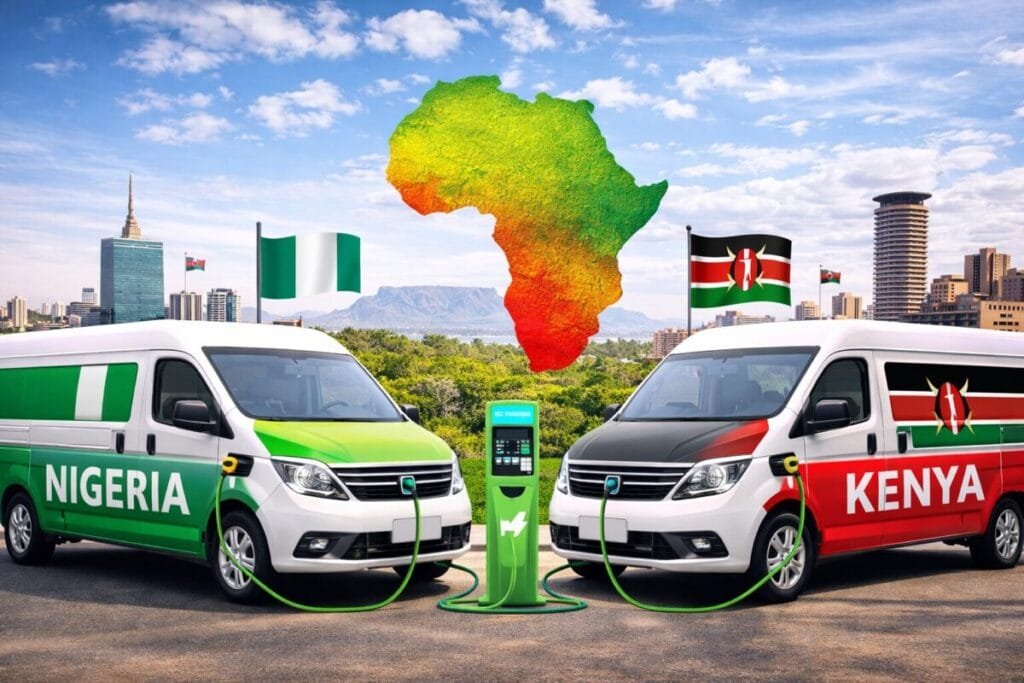
Africa’s transition toward sustainable transportation is gaining momentum as Nigeria and Kenya emerge as key players in the continent’s electric mobility revolution. Through local assembly of electric vans and taxis using imported electric vehicle kits, both countries are reshaping urban transportation systems while laying the groundwork for greener tourism and future-ready mobility networks.
These initiatives represent more than industrial development; they signal a broader transformation in how African cities approach sustainability, public transport, and economic growth. As global attention increasingly turns toward climate-friendly solutions, the expansion of electric mobility across Africa is expected to influence travel infrastructure, reduce emissions, and enhance connectivity for residents and visitors alike.
Nigeria’s Electric Van Initiative Accelerates Clean Transport
In Nigeria, a partnership between local investors and international automotive manufacturers has launched an ambitious electric van assembly project designed to modernize urban transportation. The initiative focuses on assembling passenger vans from electric vehicle kits imported from Asia, with plans to scale production significantly in the coming years.
The introduction of electric vans is particularly relevant for densely populated cities such as Lagos, where traffic congestion and air pollution remain ongoing challenges. By offering cleaner alternatives to traditional diesel-powered minibuses, electric vans could improve urban air quality while reducing fuel dependency.
A key element of the Nigerian strategy involves integrating renewable energy solutions into the charging infrastructure. Solar-powered charging stations are being explored as a way to address energy reliability issues and ensure consistent access to electricity for fleet operators. This approach reflects the country’s effort to adapt electric mobility solutions to local conditions rather than relying solely on imported models.
Kenya Advances Affordable Electric Mobility Solutions
Kenya is also making significant progress through local assembly initiatives aimed at increasing access to electric vehicles. By partnering with established vehicle assemblers and international suppliers, Kenyan companies are producing electric vans tailored to local transportation needs.
One of the distinguishing features of Kenya’s approach is the focus on affordability. Innovative financing models, including lease-to-own programs and flexible payment options, are being introduced to encourage adoption among drivers and small business owners. These strategies help overcome one of the main barriers to electric mobility: the higher upfront cost compared to conventional vehicles.
Kenya’s efforts align with broader national goals of reducing carbon emissions and promoting renewable energy adoption. As Nairobi continues to grow as a regional business hub, the expansion of electric fleets could significantly improve urban mobility while supporting sustainability targets.
Why Local Assembly Matters for Africa’s Automotive Future
Rather than building vehicles entirely from scratch, many African companies are adopting the use of complete knock-down kits, which involve assembling partially manufactured vehicles locally. This approach provides several advantages for emerging markets.
Local assembly helps create employment opportunities by developing technical skills among workers and supporting local supply chains. Engineers, technicians, and logistics professionals gain valuable expertise in the electric mobility sector, contributing to long-term economic development.
Additionally, assembling vehicles domestically can reduce costs associated with importing fully finished units, making electric vehicles more accessible to consumers. As demand grows, local assembly may eventually lead to increased manufacturing capacity within the continent.
Chinese Partnerships Drive Technology Transfer
China’s dominance in the global electric vehicle industry has made it a significant partner in Africa’s transition to clean mobility. Chinese companies provide technical expertise, battery technology, and vehicle components that support the rapid deployment of electric vehicles in developing markets.
These collaborations enable African countries to accelerate adoption without the need for extensive research and development infrastructure. By leveraging existing technology, local companies can focus on adapting electric vehicles to regional conditions, such as road quality, climate, and energy availability.
The growing collaboration between African and Chinese firms reflects a broader trend of international cooperation aimed at expanding sustainable transportation worldwide.
Challenges Facing Africa’s Electric Mobility Expansion
Despite strong momentum, several challenges remain for the widespread adoption of electric vehicles across Africa. One of the most significant obstacles is the limited availability of charging infrastructure. Without reliable charging networks, drivers may hesitate to transition from conventional vehicles.
High initial costs also continue to influence consumer decisions, especially in markets where second-hand vehicles dominate due to affordability. Furthermore, public awareness and technical training are essential to ensure successful adoption and maintenance of electric fleets.
Government policies and incentives will play a crucial role in addressing these challenges. Investment in renewable energy, tax incentives, and public-private partnerships could accelerate the development of electric mobility ecosystems.
Impact on Tourism and Sustainable Travel
The expansion of electric transportation has implications beyond urban commuting. Cleaner transportation networks can enhance tourism experiences by reducing noise and air pollution in popular destinations, improving the overall environment for visitors.
Electric vans and taxis could also support eco-friendly travel routes between cities, national parks, and cultural attractions. As sustainable tourism becomes increasingly important for travelers, destinations that prioritize green mobility may gain a competitive advantage.
African cities investing in electric mobility infrastructure could attract environmentally conscious travelers seeking destinations aligned with sustainability values.
A Strategic Shift Toward a Greener Future
Nigeria and Kenya’s leadership in electric vehicle assembly highlights a significant shift in Africa’s role within the global automotive industry. Instead of relying solely on imported vehicles, the continent is beginning to build its own capabilities in sustainable transportation.
This transition represents an opportunity to diversify economies, create jobs, and reduce environmental impact while improving mobility for residents and visitors alike.
Conclusion: Africa’s Electric Mobility Momentum Builds
As Nigeria and Kenya continue to expand their electric vehicle assembly programs, they are setting an example for other African nations looking to embrace clean transportation solutions. The combination of local assembly, international partnerships, and innovative financing models demonstrates how emerging markets can accelerate the transition to sustainable mobility.
While challenges remain, the progress being made signals a promising future for Africa’s electric mobility ecosystem. By aligning economic development with environmental goals, the continent is taking meaningful steps toward a cleaner, more sustainable transportation landscape that benefits both local communities and global travelers.
For more travel news like this, keep reading Global Travel Wire