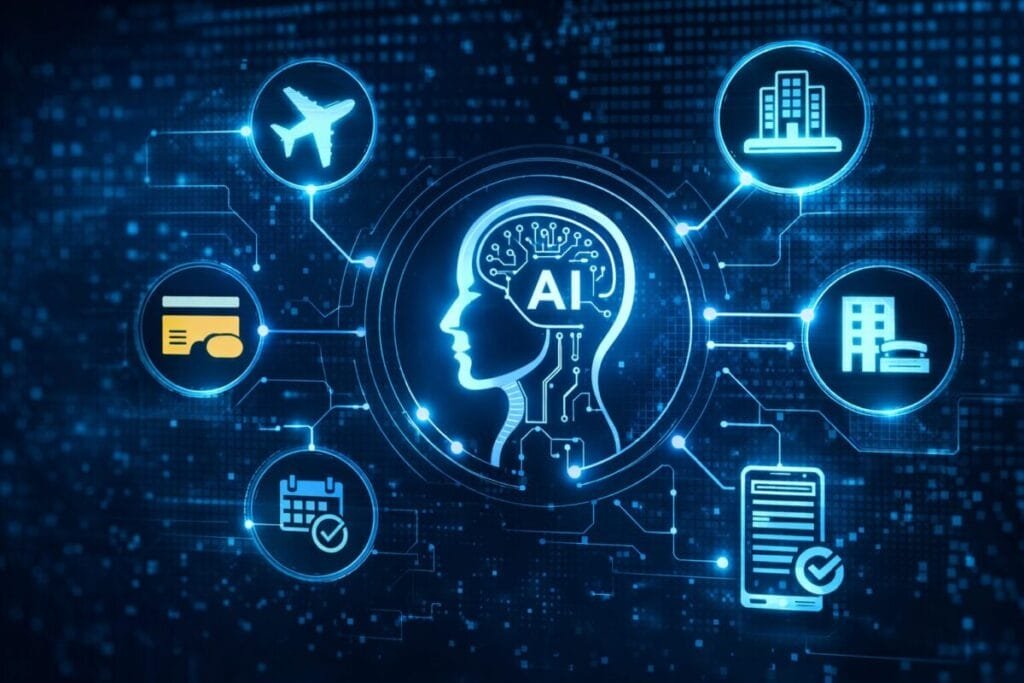
The travel technology landscape is preparing for a significant transformation following the announcement of a strategic partnership between Sabre, PayPal, and Mindtrip. The collaboration aims to introduce a next-generation AI-powered platform designed to streamline the entire travel journey, from planning and booking to payments and post-trip management.
As travel demand continues to grow globally, technology providers are seeking innovative ways to simplify the customer experience while delivering highly personalized services. The new initiative combines advanced conversational artificial intelligence with secure digital payment solutions and global travel infrastructure, offering travelers an integrated system capable of managing complex travel arrangements through a single interface.
Industry experts believe this development could reshape how travelers interact with booking platforms by replacing traditional multi-step processes with intuitive AI-driven conversations.
Key Companies Behind the Innovation
The partnership brings together three major players, each contributing specialized expertise to create a unified travel solution.
Sabre, widely recognized as a leader in travel technology systems, provides the backbone of airline and hotel booking infrastructure. Its systems power inventory management, pricing tools, and reservation technology used by travel agencies and airlines worldwide.
PayPal contributes its digital payment capabilities, enabling secure and seamless financial transactions within the booking process. The integration of trusted payment technology aims to reduce friction at checkout, ensuring travelers can complete purchases quickly while maintaining strong security standards.
Mindtrip, a rising innovator in conversational artificial intelligence, introduces agentic AI technology designed to act as a virtual travel assistant. This AI system can understand natural language and carry out actions on behalf of users, marking a shift from passive recommendation engines toward proactive digital travel companions.
Together, the three companies aim to create an ecosystem where planning and purchasing travel becomes simpler, faster, and more personalized.
Understanding Agentic AI and Its Role in Tourism
The concept of agentic AI represents an evolution beyond traditional chatbots or search engines. Instead of merely providing suggestions, agentic systems can interpret traveler intent, make decisions, and execute tasks autonomously within defined parameters.
For travelers, this means describing travel plans in conversational language rather than navigating multiple booking sites or complex search filters. For example, users may request a budget-friendly weekend getaway, and the AI will generate tailored options that include flights, accommodations, and experiences aligned with their preferences.
The system is also capable of refining results dynamically. Travelers can adjust details such as travel dates, accommodation type, or destination preferences during the conversation without restarting the booking process.
Such functionality reflects a broader trend within tourism technology, where automation and personalization are becoming essential components of digital travel platforms.
How the Technology Works
The platform’s workflow centers around a conversational interface that guides users through every stage of the travel process.
First, travelers provide basic details about their desired trip through natural language. The AI analyzes this input alongside available travel data to produce personalized itineraries. It then manages availability checks, pricing comparisons, and booking logistics in real time.
Once travelers select an option, integrated payment solutions powered by PayPal ensure smooth and secure transactions. This eliminates the need to switch between multiple apps or payment gateways, significantly simplifying the checkout experience.
After bookings are completed, the system continues to support travelers by managing itinerary updates, suggesting upgrades, and assisting with changes or cancellations. By maintaining a continuous digital relationship with the user, the AI transforms from a planning tool into an ongoing travel companion.
Transforming the Customer Experience
The introduction of agentic AI technology addresses several challenges that have traditionally complicated travel planning. One of the biggest obstacles for travelers is navigating multiple platforms for flights, hotels, transportation, and activities. By consolidating these steps into a single AI-driven interface, the new system aims to reduce complexity and save time.
Personalization also plays a critical role. The AI learns from user preferences and previous interactions, allowing it to recommend experiences tailored to individual travel styles. This level of customization can enhance traveler satisfaction and encourage loyalty to the platform.
Another key advantage lies in the integration of secure digital payments. Travelers increasingly prioritize safety when making online purchases, and embedding trusted payment solutions directly into the platform helps build confidence and streamline transactions.
Potential Impact on the Global Tourism Industry
The adoption of AI-powered travel systems could significantly influence tourism trends by making trip planning more accessible and efficient. Simplified booking processes may encourage more spontaneous travel decisions, potentially boosting overall demand.
Additionally, advanced personalization could expose travelers to destinations they might not otherwise consider. By analyzing traveler interests, the AI can suggest lesser-known locations or experiences, helping distribute tourism benefits across a wider range of destinations.
Travel providers may also benefit from improved efficiency, as AI-driven systems reduce manual processes and enhance customer engagement through automated support.
Launch Timeline and Industry Expectations
The agentic AI platform is expected to begin testing with developers and early users ahead of a broader rollout planned for the second quarter of 2026. Industry stakeholders are closely monitoring the launch, viewing it as a potential turning point in the integration of artificial intelligence within travel services.
As digital transformation accelerates across the tourism sector, partnerships like this demonstrate how collaboration between technology companies and travel providers can drive innovation.
A Glimpse into the Future of Travel Planning
The alliance between Sabre, PayPal, and Mindtrip represents a major step toward redefining the travel experience through automation and personalization. By combining AI intelligence with trusted payment systems and global travel data, the initiative aims to eliminate friction from every stage of the journey.
As travelers increasingly expect seamless, intuitive technology, agentic AI platforms may become the standard for booking and managing trips. This collaboration signals a shift toward smarter, more responsive travel tools that prioritize convenience, customization, and security, potentially shaping the future of tourism for years to come.
For more travel news like this, keep reading Global Travel Wire