



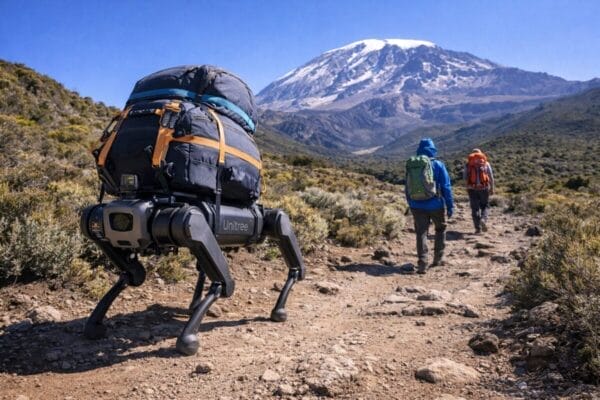
Adventure tourism is entering a new technological era as robotics begins to reshape how travelers explore some of the world’s most challenging landscapes. A new robotic innovation known as the As2 robotic mountain dog is gaining attention for its potential to support trekking expeditions, wildlife research, and high-altitude tourism across rugged environments. Developed as a four-legged robotic support system, this advanced machine is designed to navigate difficult terrain while carrying equipment, supplies, and essential gear.
In East Africa, where adventure tourism is a major driver of economic growth, the introduction of robotic support systems could transform the trekking experience in destinations such as Kenya and Tanzania. These countries are home to some of Africa’s most iconic mountain landscapes, including Mount Kenya and Mount Kilimanjaro, both of which attract thousands of international trekkers every year.
By combining robotics, artificial intelligence, and advanced mobility systems, the As2 robotic mountain dog may help tour operators, researchers, and expedition teams overcome logistical challenges while promoting safer and more sustainable outdoor exploration.
Engineering Designed for Extreme Terrain
The robotic system has been engineered specifically to operate in environments that are often difficult for humans and animals to traverse. Equipped with advanced sensors and artificial intelligence navigation software, the robot is capable of maintaining balance while moving across uneven surfaces such as rocky slopes, loose gravel, forest trails, and shallow rivers.
Unlike traditional pack animals used in mountain expeditions, the robotic companion does not require food, water, or rest. High-capacity batteries power the machine, allowing it to function for extended periods while transporting equipment through demanding landscapes.
Its four-legged design allows the robot to replicate the stability of mountain animals such as goats, enabling it to climb steep paths or descend narrow trails with precision. This makes it particularly useful in mountainous environments where terrain conditions can change rapidly.
The system can carry supplies such as camping gear, photography equipment, safety tools, or scientific instruments, reducing the physical burden on trekkers and expedition teams.
Supporting Adventure Tourism in East Africa
Kenya and Tanzania are globally recognized destinations for nature-based tourism. In addition to world-famous wildlife safaris, both countries offer exceptional mountain trekking experiences that draw adventure travelers from across the globe.
Mount Kilimanjaro in Tanzania, the highest peak in Africa, attracts tens of thousands of climbers annually. Similarly, Mount Kenya in Kenya offers challenging trekking routes through diverse ecosystems that range from tropical forests to alpine glaciers.
Climbing these mountains requires significant logistical preparation. Trekkers often rely on guides, porters, and pack animals to carry food, equipment, and emergency supplies along steep trails.
The introduction of robotic support units like the As2 could enhance expedition logistics by transporting heavy equipment and emergency gear through remote areas. This may help tour operators improve efficiency while ensuring essential resources are always available during long trekking journeys.
Improving Safety and Expedition Logistics
Safety is one of the most important considerations in high-altitude trekking. Climbers often face challenges such as unpredictable weather, fatigue, and altitude sickness. In such environments, the ability to quickly transport medical supplies or emergency equipment can be critical.
Robotic systems capable of navigating mountain terrain could assist expedition teams by carrying oxygen tanks, communication devices, and medical kits. In remote areas where rapid evacuation may be difficult, these machines could play an important role in emergency preparedness.
Researchers and conservation teams may also benefit from robotic support when conducting fieldwork in remote wildlife habitats. The ability to carry monitoring equipment through dense forests or mountainous terrain can expand opportunities for environmental research and wildlife observation.
Sustainable Alternatives for Tourism Operations
Sustainability is becoming an increasingly important priority for tourism operators around the world. In many trekking destinations, traditional pack animals such as donkeys and mules are used to transport equipment along mountain routes.
While these animals remain essential to local economies, there has been growing discussion about animal welfare and environmental impact in heavily trafficked trekking regions.
Robotic transport systems offer an alternative that does not rely on animal labor. Electric-powered machines produce no direct emissions during operation and can operate quietly without disturbing wildlife.
For eco-conscious travelers, such innovations align with a growing demand for sustainable tourism experiences that minimize environmental impact while preserving natural ecosystems.
Balancing Technology with Local Livelihoods
Despite its advantages, the introduction of robotic technology into adventure tourism raises important questions about the balance between innovation and local employment.
In many mountain regions of East Africa, porters and guides form a vital part of the tourism economy. These workers provide essential support for climbers while earning income that supports their families and communities.
Tourism experts emphasize that new technologies should complement, rather than replace, the role of local workers. Robots may assist by carrying extremely heavy or hazardous loads, allowing human porters to focus on guiding, safety, and hospitality roles.
If implemented thoughtfully, robotic systems could improve working conditions while preserving employment opportunities in local communities.
Expanding Accessibility to Outdoor Exploration
Another potential benefit of robotic expedition support is the increased accessibility it could bring to adventure tourism. Trekking and mountain exploration often require significant physical strength and endurance, which can limit participation.
By reducing the physical burden associated with carrying equipment, robotic support could make certain trekking routes more accessible to a broader range of travelers.
This may include older travelers, photographers carrying specialized equipment, researchers conducting field studies, or visitors seeking immersive nature experiences without the extreme physical demands traditionally associated with mountain expeditions.
The Future of Technology in Adventure Travel
The integration of robotics into tourism reflects a broader trend in which technology enhances travel experiences while improving safety and sustainability. As artificial intelligence, robotics, and energy technologies continue to advance, similar systems may become common tools in outdoor exploration.
Beyond Africa, robotic expedition support could eventually be used in alpine trekking routes across Europe, scientific expeditions in remote wilderness areas, and disaster response operations in difficult terrain.
For the tourism industry, these developments highlight the potential for technology to expand travel opportunities while protecting natural environments.
Conclusion
The introduction of robotic mountain support systems like the As2 represents a significant step forward in the evolution of adventure tourism. By combining advanced robotics with outdoor exploration, these machines may help trekkers navigate challenging environments while improving safety, sustainability, and efficiency.
In destinations such as Kenya and Tanzania, where mountain tourism plays a crucial role in the economy, innovative technologies could reshape how travelers experience the region’s iconic landscapes.
While careful consideration must be given to protecting local livelihoods and preserving cultural traditions, the integration of robotics into adventure tourism signals an exciting future in which human curiosity and technological innovation work together to explore the world’s most extraordinary environments.
For more travel news like this, keep reading Global Travel Wire