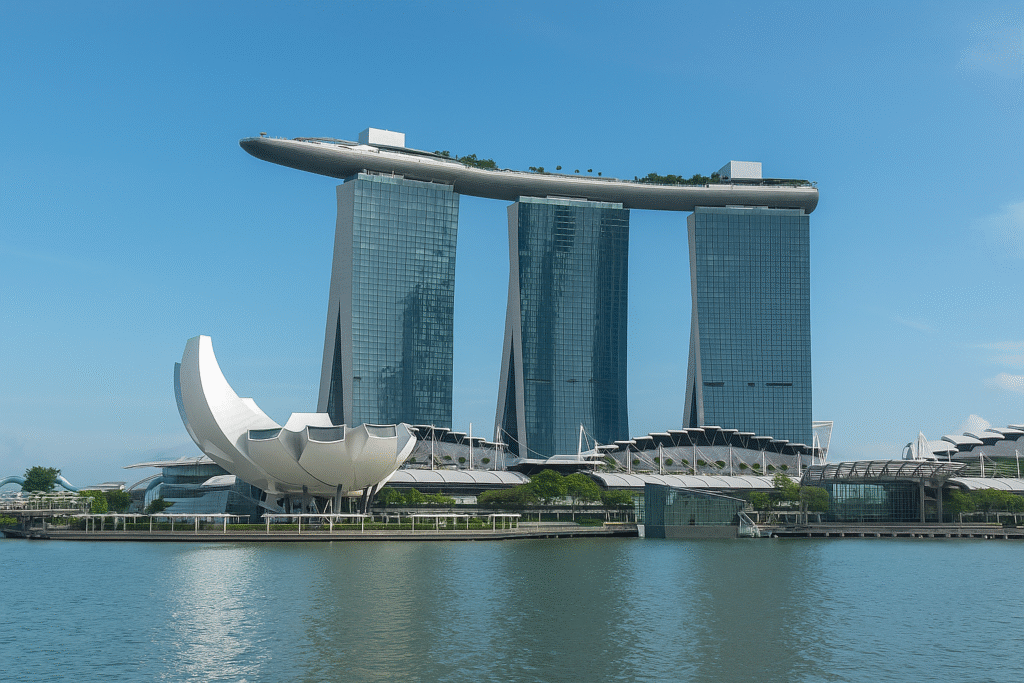
The world of tourism is entering a new chapter, with Singapore emerging as the stage for an important revelation about how people will travel in the coming years. A groundbreaking study, jointly presented by Trip.com Group and Google, highlights the dramatic shift in traveler behavior as the year 2026 approaches. The report, titled Why Travel?, emphasizes that journeys of the future will be less about ticking destinations off a list and more about personal growth, cultural immersion, and meaningful connections.
According to the findings, five defining trends will shape the future of travel: expression through social media, purposeful exploration, wellness-centered escapes, shared experiences, and AI-driven planning. These insights highlight how cultural shifts, technology, and a deeper need for fulfillment are reshaping the tourism industry.
Travel as Expression: The Influence of Social Media
Social media is no longer just a source of inspiration—it has become one of the most powerful tools influencing travel bookings. The report found that in countries such as Thailand, Indonesia, and India, more than 75% of travelers engage with travel-related livestreams. Nearly half of them book directly through these platforms, turning digital inspiration into action.
Instagram, TikTok, and YouTube are now key decision-making platforms, shaping how travelers discover new destinations and influencing which experiences they prioritize. This reflects a broader cultural trend: travel is increasingly seen as a form of self-expression, with photos, videos, and live content serving as a way to share identity and experiences with a global audience.
Travel with Purpose: Meaning Beyond Sightseeing
One of the most notable findings from the Why Travel? report is the rise of purpose-driven travel. Travelers are no longer satisfied with generic itineraries; instead, they are seeking activities that provide cultural depth and personal enrichment. Searches for traditional experiences, such as Japanese tea ceremonies, have grown by more than 50% in recent years.
This shift reflects a growing demand for travel that fosters connection with heritage, traditions, and local communities. Whether it is learning indigenous crafts, participating in food rituals, or exploring cultural festivals, tomorrow’s travelers are looking for journeys that go beyond sightseeing. Purpose-driven tourism is set to be a defining feature of 2026 and beyond.
Travel to Heal: The Rise of Wellness Tourism
Wellness tourism continues to gain momentum as travelers prioritize physical and mental rejuvenation. The report highlights exponential growth in searches for spa-focused vacations, including golf and spa resorts (up by 300%) and ski and spa packages (up by 250%).
This reflects the desire for experiences that balance activity with relaxation. More travelers are choosing retreats that combine adventure with mindfulness—such as yoga by the sea, hiking with meditation, or resorts designed around holistic healing. Singapore and other Asian destinations are positioning themselves as hubs for wellness-centered travel, where restorative experiences are integrated with natural landscapes and cultural authenticity.
Travel to Connect: Shared Experiences Shape Journeys
The future of travel is also about connection—not just with places, but with people. The report reveals that two-thirds of global travelers are willing to cross borders for shared experiences such as concerts, sports events, and family gatherings.
Music festivals, endurance sports like marathons and cycling events, and multigenerational trips are becoming primary motivators for international travel. These experiences foster lasting bonds and create stories that travelers bring home with them. This collective dimension highlights travel as a social connector, extending its role beyond leisure to include emotional fulfillment and community building.
Travel of Tomorrow: AI Redefines Trip Planning
Artificial intelligence is revolutionizing how travelers plan their journeys. According to the Why Travel? report, searches for AI-powered travel planning tools have increased by 190%. AI is now helping travelers create customized itineraries, recommend accommodations, and even predict experiences that align with their personal interests.
Tools like Google’s Gemini and Trip.com Group’s Trip.Planner showcase how machine learning can simplify travel decisions. Instead of spending hours researching destinations, travelers can now rely on AI for faster, smarter, and more personalized guidance. This technology not only enhances convenience but also allows travelers to feel more confident in their choices.
Singapore at the Center of Tourism Innovation
Singapore’s role as the host city for unveiling these insights reflects its growing importance as a hub of tourism innovation. Known for its blend of modernity, cultural diversity, and connectivity, Singapore is perfectly positioned to lead conversations about the future of travel. Its investments in digital infrastructure, wellness offerings, and sustainable tourism reinforce the trends highlighted in the report.
The collaboration between Trip.com Group and Google signals a broader global shift. By combining search intelligence, booking insights, and AI-driven solutions, both companies are helping shape the next generation of travel experiences—where meaning, connection, and personalization take precedence.
Conclusion: 2026 and the New Definition of Travel
As the travel industry evolves, the Why Travel? report provides a clear vision of what lies ahead. Journeys will increasingly focus on experiences that offer emotional alignment, cultural enrichment, and wellness. Social media will drive inspiration and bookings, while AI will become a trusted partner in crafting itineraries.
By 2026, travel will no longer be defined by how many destinations one can visit but by the richness of experiences and the connections made along the way. For global travelers, this marks the beginning of a new era—one where tourism becomes a transformative force, offering not just movement across borders but meaning in every journey.
For more travel news like this, keep reading Global Travel Wire