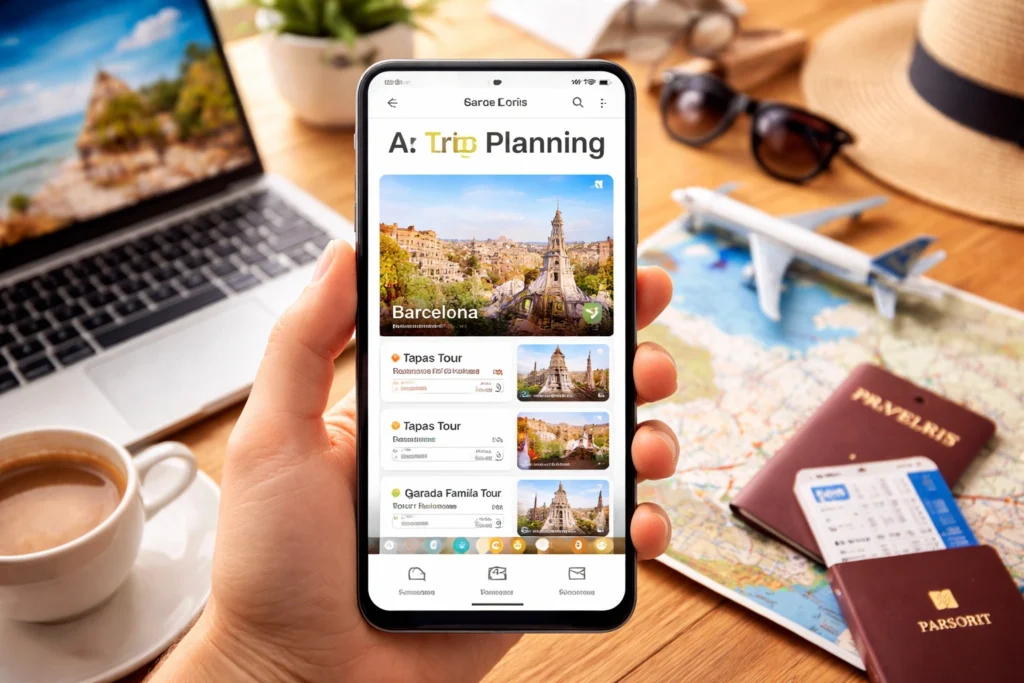
Traveloris has launched a new AI-powered end-to-end trip planning platform designed to simplify how travelers research, organize and book journeys across the United States and international markets. The new system combines flights, hotels, ground transport and curated experiences in one digital interface, reflecting a wider shift toward intelligent travel planning tools that save time while delivering more personalized results. As competition grows in travel technology, the launch positions Traveloris within one of the industry’s fastest-moving segments.
One Platform for the Entire Journey
Many travelers still book trips through multiple websites and apps, often comparing flights in one place, hotels in another and activities elsewhere. That fragmented process can create confusion, wasted time and planning errors.
Traveloris aims to remove that friction by bringing every major travel component into one environment. Users can search, compare, customize and confirm bookings without jumping between platforms.
For travelers, the biggest advantage is convenience. For the wider industry, integrated planning tools may help increase conversion rates and reduce booking abandonment.
How the AI Engine Works
At the core of the platform is an AI system that analyzes preferences, budgets and behavior to create tailored itineraries in real time. Instead of presenting endless generic search results, the platform generates options aligned with what the user actually wants.
A traveler seeking luxury beach resorts, cultural city breaks or low-cost family holidays can receive recommendations suited to those priorities. The platform can also react instantly when users adjust dates, budgets or destinations.
That dynamic planning model mirrors changing consumer expectations. Travelers now want digital tools that respond immediately rather than static booking pages that require constant manual searching.
Why This Matters for Modern Travelers
Travel planning has become more complex in recent years. Consumers often weigh price changes, flexible policies, transportation links and experience quality before making decisions.
AI tools can help reduce that complexity by organizing data faster than manual research. Instead of comparing dozens of options, travelers receive curated suggestions with stronger relevance.
This can be especially valuable for multi-city trips, family vacations or short-break travelers who want quick answers without spending hours online.
The platform also supports flexibility, which remains a key priority in today’s travel environment where plans can change rapidly.
A Shift From Search to Recommendation
The launch of Traveloris reflects a broader change in the digital travel market. Traditional booking systems relied heavily on search behavior, where users typed destinations and filtered endless results.
The next generation of travel tools focuses more on recommendation engines. Travelers can increasingly describe what they want, such as a relaxing coastal break under a certain budget or a cultural weekend with direct flights, and let AI build the plan.
That shift could redefine how online travel platforms compete in the years ahead.
What It Means for Airlines and Hotels
Smarter trip planning tools do not only benefit consumers. Airlines, hotels and tour operators may also gain from better matching between traveler intent and available inventory.
When users receive more relevant recommendations, they may book faster and with greater confidence. That can improve occupancy, load factors and ancillary sales such as upgrades, transfers or experiences.
Hotels that fit specific traveler preferences may gain visibility they would otherwise lose in crowded marketplaces dominated by price comparisons alone.
Will AI Replace Human Travel Advisors?
AI platforms continue to grow, but they are unlikely to eliminate the role of human travel experts. Complex itineraries, luxury travel, group events and bespoke experiences often still benefit from personal guidance and problem-solving.
Instead, AI may handle routine planning while advisors focus on high-value service, destination expertise and relationship-based support.
This hybrid future could become one of the strongest models in travel retail, combining automation with human trust.
Stronger Competition in Travel Technology
The launch also raises pressure across the sector. Established online travel agencies, booking apps and startup innovators are all racing to improve personalization and user experience.
Consumers now expect speed, relevance and seamless mobile functionality. Platforms that fail to evolve may struggle to keep pace as AI becomes a standard feature rather than a premium extra.
For investors and travel brands, the next battleground may center on who delivers the simplest and smartest end-to-end booking journey.
Why This Launch Matters in 2026
Travel demand remains strong worldwide, but travelers increasingly expect digital convenience equal to other industries such as banking, retail and entertainment. They want faster decisions, less friction and experiences tailored to personal interests.
Traveloris enters the market at a time when those expectations are rising quickly. If the platform delivers on personalization and ease of use, it could appeal to a broad audience ranging from frequent flyers to occasional holidaymakers.
The Bigger Picture for Global Travel
The debut of the Traveloris AI trip planning platform shows how travel booking is moving into a new era shaped by automation, personalization and integrated services.
For travelers, that means less stress and smarter planning. For suppliers, it means better connections with high-intent customers. And for the industry, it marks another step toward a future where planning a trip becomes as effortless as describing the journey you want.
For more travel news like this, keep reading Global Travel Wire