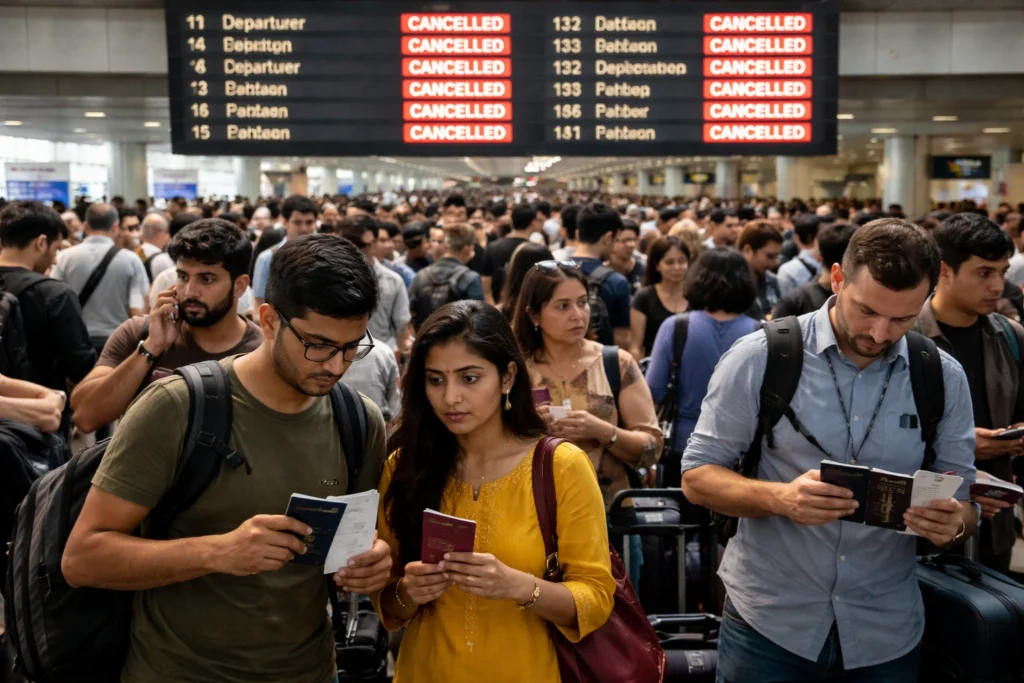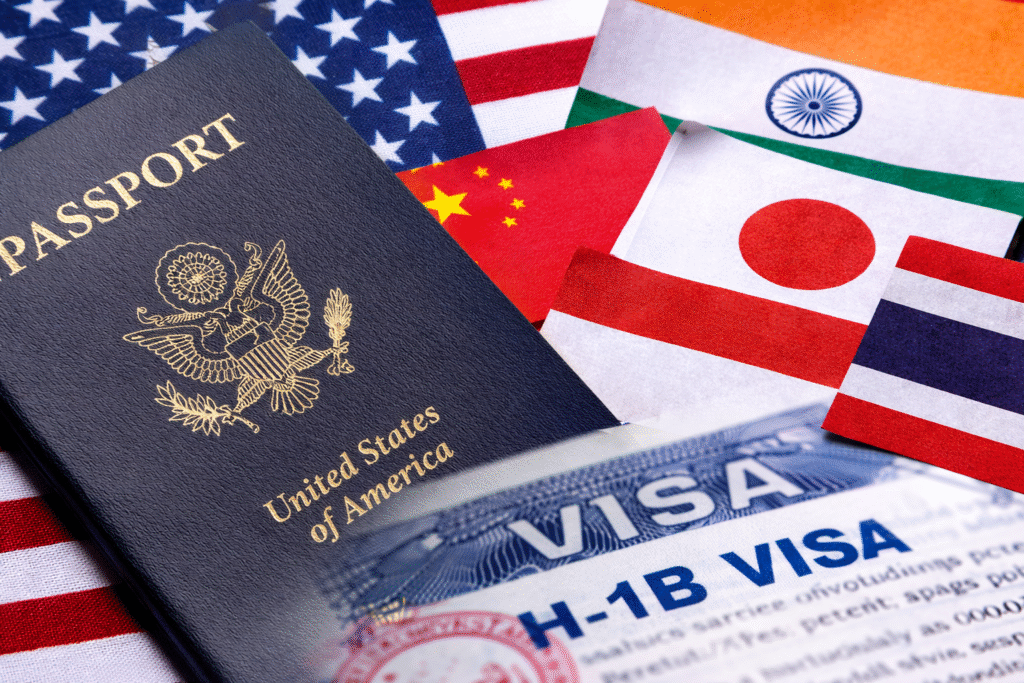
The United States has introduced stricter visa screening rules that directly impact travelers and workers from Asia. Thailand now joins Japan, India, Malaysia, China, Vietnam, Indonesia, and several others under expanded digital identity audits.
The new measures took effect on December 15, 2025. US consular officers now review public social media profiles during visa decisions. This policy applies mainly to H-1B and H-4 visa applicants.
The change signals a major shift in how the US evaluates visa eligibility. Digital behavior now plays a direct role in travel approval outcomes.
Thailand and Asia Under Heightened Visa Scrutiny
Thailand has officially entered the list of Asian countries facing enhanced US visa screening. The policy reflects growing concern around identity verification and national security.
Applicants from Asia represent a large share of US work visas. Skilled professionals from these countries support technology, healthcare, research, and engineering sectors.
The new review process affects how applicants prepare for travel. Online activity now carries weight equal to documents and interviews.
Social Media Reviews Become Mandatory
US visa applicants must now ensure public access to social media profiles. Consular officers review posts, comments, photos, and interactions.
Applicants must disclose usernames used during the past five years. This requirement includes inactive and rarely used accounts.
The review covers platforms such as Facebook, Instagram, LinkedIn, X, YouTube, and regional networks. Officers assess content consistency with visa intent.
Why the US Introduced Digital Identity Audits
US authorities consider every visa decision a national security judgment. Digital identity audits help detect risks before entry approval.
Officials aim to identify threats, false representations, and conflicting affiliations. Online behavior may reveal inconsistencies with stated travel purposes.
The policy does not target speech or opinions directly. Instead, it evaluates credibility, transparency, and compliance with visa rules.
What Changes in the Visa Application Process
Applicants now face added responsibility during preparation. Privacy settings must allow public viewing. Officers cannot access restricted profiles.
The review examines several elements. Officers check statements that promote violence or extremism. They also assess misrepresentation or contradictory claims.
Affiliations with suspicious organizations may trigger additional checks. Patterns of behavior may influence visa timelines.
Countries Most Affected by the New Policy
The expanded audit affects countries with high H-1B demand. These include Thailand, India, China, Japan, Malaysia, Vietnam, Indonesia, and others.
South Korea, the Philippines, Taiwan, Pakistan, and Nepal also fall within the review scope. Professionals from these nations dominate US skilled migration.
Technology workers represent the largest affected group. Healthcare professionals and researchers also face increased scrutiny.
Potential Impact on Processing Times
Applicants should expect longer visa processing periods. Officers may require extra time to complete online identity reviews.
Some cases may enter administrative processing. This stage can delay travel plans by weeks or months.
In rare cases, online activity may lead to visa refusal. Conflicting information or security concerns may influence outcomes.
What This Means for H-1B and H-4 Applicants
H-1B applicants must ensure accuracy across all online platforms. Content must align with professional backgrounds and visa claims.
H-4 applicants, including dependents, also fall under review. Family members must maintain compliant digital profiles.
Employers may face workforce delays due to extended processing. Planning timelines now require greater flexibility.
How Applicants Can Prepare Effectively
Applicants should review all social media accounts carefully. Remove or archive content that may raise questions.
Avoid politically extreme or inflammatory language. Maintain professional tone across platforms.
Ensure profile details match visa documentation. Employment history and education should align consistently.
Applicants should prepare for delays. Early applications reduce travel disruptions.
Employers Must Adjust Hiring Expectations
Companies relying on foreign talent must adapt recruitment strategies. Visa approvals may take longer than previous years.
Human resource teams should educate employees about digital compliance. Guidance helps reduce risks during screening.
Employers should plan onboarding timelines cautiously. Project schedules may require adjustments.
Tourism and Business Travel Implications
The new rules affect business travel and long-term mobility. Professionals may postpone relocation or assignments.
Families may delay reunification due to visa uncertainty. Travel planning now requires digital readiness.
Countries like Thailand may see shifts in outbound professional travel. The policy adds complexity to international mobility.
A Global Trend in Digital Border Controls
The US move may influence other nations. Governments worldwide explore digital identity screening tools.
Travelers may face similar requirements in future visa systems. Online transparency could become a standard expectation.
Digital footprints now shape global mobility decisions. Travelers must adapt to this evolving reality.
Asia Enters a New Visa Landscape
Thailand and its regional peers now navigate stricter US entry rules. Digital presence plays a critical role in visa success.
Applicants must balance openness with responsibility. Careful preparation can reduce risks and delays.
As policies evolve, awareness becomes essential. Travelers who stay informed can protect plans and careers.
The US digital audit expansion marks a new era in visa screening. Asia now stands at the center of this transformation.
For more travel news like this, keep reading Global Travel Wire