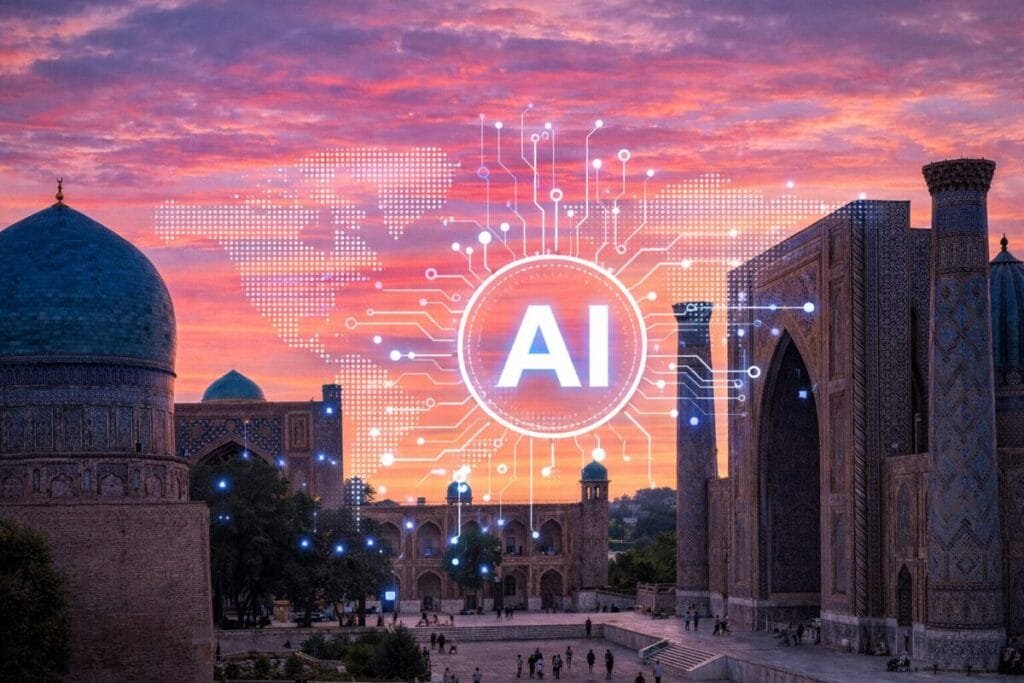
Uzbekistan has announced an ambitious tourism strategy that aims to attract 12 million international visitors by 2026. The country plans to achieve this goal through artificial intelligence, expanded infrastructure, and innovative travel experiences.
Government officials and industry leaders introduced the strategy during the VII Hotel Business Forum in Tashkent. The initiative blends historic Silk Road heritage with advanced digital tools designed to enhance visitor experiences.
Uzbekistan already attracts travelers through iconic cities such as Samarkand and Bukhara. However, the new plan expands beyond traditional attractions by embracing technology and diversifying destinations.
Rapid Expansion of Accommodation Capacity
To support rising demand, Uzbekistan has significantly increased its lodging capacity. Tourism authorities have approved more than one thousand new accommodation facilities across various regions.
The development includes luxury hotels, family-run guesthouses, and modern hostels targeting younger travelers. These additions create options for different budgets and travel styles.
In total, accommodation capacity now exceeds 185,000 beds. This expansion reflects strong government investment in tourism infrastructure following visa reforms and improved international connectivity.
Family guesthouses also play an important role. They allow local communities to benefit directly from tourism growth while preserving authentic cultural experiences.
Artificial Intelligence Drives a New Tourism Model
Artificial intelligence stands at the core of Uzbekistan’s tourism transformation. Authorities aim to move away from traditional mass tourism and toward personalized travel experiences.
AI-powered platforms help tour guides customize itineraries based on visitor interests. Travelers interested in history, architecture, or cultural workshops receive tailored recommendations in real time.
Digital systems also highlight lesser-known attractions such as artisan studios and rural cafés. This approach encourages exploration beyond famous landmarks.
Hotels increasingly use AI tools for dynamic pricing and demand forecasting. These systems help operators optimize revenue while offering competitive rates to international visitors.
Multilingual support powered by AI breaks communication barriers. Travelers from diverse regions can navigate services more easily and engage with local communities.
Expanding Beyond the Traditional Silk Road Cities
Historically, most visitors focused on the “Golden Triangle” route linking Tashkent, Samarkand, Bukhara, and Khiva. While these cities remain central to Uzbekistan tourism, authorities now promote lesser-known regions.
The Fergana Valley offers rich cultural traditions and renowned silk weaving heritage. Mountain areas in Kashkadarya attract adventure travelers seeking hiking and outdoor experiences.
Karakalpakstan has gained attention due to the Aral Sea’s environmental history and dramatic landscapes. By distributing tourists across multiple regions, Uzbekistan aims to prevent overcrowding and ensure sustainable development.
AI-driven marketing campaigns play a key role in highlighting these emerging destinations.
Domestic Tourism Strengthens Industry Foundations
Domestic travel has surged in recent years, providing a strong foundation for international tourism growth. The “Travel around Uzbekistan” program encouraged residents to explore their own country.
Millions of domestic trips have helped local businesses improve service quality and adapt to evolving expectations. This internal demand acted as a training ground for the industry.
Local travelers also contribute to vibrant cultural exchange. Visitors experience authentic environments where residents and tourists share public spaces, markets, and historical sites.
Digital Tools Simplify Travel Planning
Uzbekistan continues to invest in digital solutions that streamline the travel experience. Expanded e-visa systems allow faster entry procedures for international visitors.
AI-powered booking platforms recommend accommodations, attractions, and transportation options tailored to traveler preferences. These tools reduce planning complexity and enhance convenience.
Digital navigation systems help tourists move between cities efficiently. Improved rail connections and modern highways complement these technological advancements.
Such improvements make Uzbekistan more accessible for first-time visitors exploring Central Asia.
Cultural Preservation Remains Central to Tourism Growth
While technology drives modernization, Uzbekistan emphasizes preserving its cultural heritage. Historic mosques, madrasas, and caravanserais remain key attractions.
Government restoration projects protect UNESCO-listed sites while improving visitor infrastructure. Cultural festivals, traditional crafts, and culinary experiences continue to shape the nation’s identity.
Digital tools enhance cultural discovery rather than replace it. Travelers can explore historical themes through interactive storytelling and guided experiences powered by AI.
Economic Opportunities and Regional Development
Tourism expansion generates employment opportunities across hospitality, transport, and creative industries. Local artisans benefit from increased exposure to international markets.
Infrastructure investments improve transportation networks and public services in rural areas. Balanced regional growth helps reduce economic disparities between cities and smaller communities.
The government views tourism as a strategic sector that strengthens international partnerships and cultural exchange.
A New Identity for the Silk Road Era
Uzbekistan’s target of 12 million visitors reflects more than ambitious numbers. The initiative represents a transformation of the Silk Road concept into a modern digital ecosystem.
By combining artificial intelligence with cultural authenticity, the country aims to redefine how travelers experience Central Asia. Personalized itineraries, sustainable development, and expanded infrastructure form the foundation of this vision.
As the global travel industry evolves, Uzbekistan positions itself as a destination that honors centuries-old traditions while embracing innovation. The Digital Silk Road strategy signals a future where technology enhances cultural discovery and creates meaningful travel experiences for visitors worldwide.
For more travel news like this, keep reading Global Travel Wire