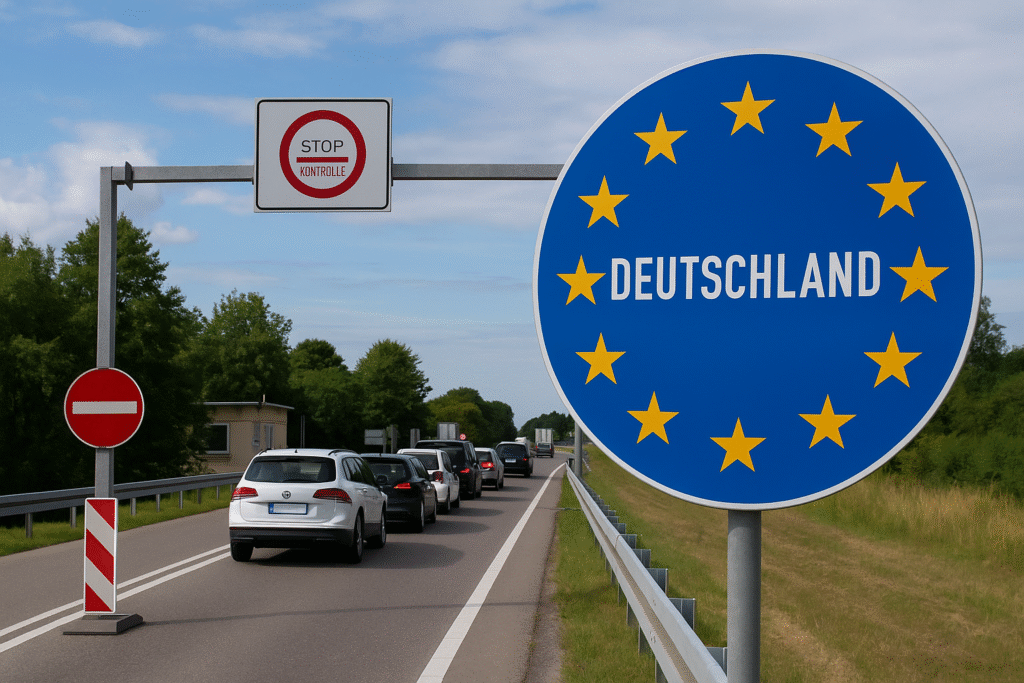
Europe’s travel landscape is undergoing fresh turbulence as Germany issues a sweeping travel advisory highlighting heightened border restrictions, security concerns, and shifting visa requirements across multiple countries. The advisory spans nations including Lithuania, the Netherlands, the United Kingdom, France and the United Arab Emirates, and signals broader implications for tourism, mobility and cross-border travel.
At the core of the alert lie increasing security anxieties and tightened border protocols. Lithuania has recently taken a strict stance towards its neighbour Belarus, shutting numerous border crossings indefinitely and restricting vehicle access as part of its national security strategy. Meanwhile, Germany’s advisory reflects concerns about spill-over effects of such moves and the broader challenges of managing border mobility within Europe’s interconnected travel network.
In Lithuania, all crossings from Belarus have been closed for non-EU citizens, with limited exceptions for EU citizens and diplomats. Some car-only routes remain open for limited usage. Additional visa and vehicle-registration conditions have been imposed—such as prohibiting cars registered in Belarus from entering and mandating registration through specialised systems for commercial traffic. These steps reflect a growing trend of hardening entry controls in response to regional tensions.
In the Netherlands, heightened terror alerts and enhanced border checks have become part of the traveller-experience. Authorities have increased security presence in high-traffic tourist zones, transit hubs and major events. At the land frontier with Germany, controls and identity checks have been reinforced—signalling that even within the Schengen area, border-free travel is being paired with rigorous enforcement where considered necessary.
For the United Kingdom, evolving visa requirements and stringent entry regulations are shaping travel patterns. British authorities have introduced or expanded Electronic Travel Authorisations (ETAs) and tightened document requirements for both EU and non-EU visitors. The shift underscores the UK’s post-Brexit recalibration of its border and immigration framework, and the ways in which that affects inbound tourism and short-stay visitors.
France presents yet another dimension of the challenge: with its security alert system and border-control measures intensified, French authorities are actively managing external threats and transit flows. Visa and entry processes are being updated in step with heightened vigilance around potential public-safety risks, especially in tourist-heavy locations.
In the United Arab Emirates, often viewed as a stable destination, authorities are nonetheless reinforcing border‐control and security measures in reaction to regional volatility. While the UAE remains a safe travel choice overall, visitors may now experience more thorough checks and heightened monitoring—particularly in air and land transit contexts.
The cumulative effect of these developments is a more complex travel environment. Tourists heading to or through Europe must now navigate shifting visa rules, enhanced border checks, security alerts, and national policies that can change with limited notice. For the travel industry—tour operators, flight carriers, hotels and travel agents—the advisory warns of increased disruption, longer transit times and potential confusion for travellers.
From a tourism-perspective, the message is clear: regions once known for seamless border movement and predictable travel conditions are now living under new constraints. While the changes reflect legitimate national-security concerns, they also introduce friction into tourism flows—particularly for visitors accustomed to just showing their passport and strolling across internal borders.
For travellers planning trips in the near term, prudence is advised. Key steps include verifying visa and entry requirements ahead of time, especially for multi-country itineraries. Ensure passports and travel authorisations (ETAs or visas) are valid and up-to-date; carry supporting documentation; allow extra time for transit or border crossings; and stay alert to national or regional security alerts which may affect your route.
For the tourism industry, the implications are significant. Locations that depend on cross-border day-visits or seamless multistate routing may find their value proposition challenged. Operators might need to build in buffer times, communicate clearly the potential for additional checks, and provide fallback plans. Marketing efforts may pivot towards emphasising destinations that offer “ease of entry” or reliable border protocols.
Importantly, the advisory from Germany—and its recognition of the interconnectedness of European border security, visa policy and tourism mobility—is also a signal of broader policy trends. National governments are increasingly prioritising security and immigration control even in traditionally open travel zones. For smaller nations and tourism-centric economies, this means recalibrating their strategies to both attract visitors and navigate the evolving regulatory landscape.
On the ground, travellers to Lithuania, the Netherlands, the UK, France or the UAE should anticipate a more cautious regime. Arrivals may face additional questioning, waiting times might increase, and some routes could be temporarily suspended or modified. While tourism itself continues, the seamless-travel era of the recent past is evolving into one where preparedness and flexibility matter more than ever.
In conclusion, Germany’s updated travel advisory underscores a turning point in European travel dynamics. It unites multiple countries under a shared warning: borders remain open, but not without conditions, checks and heightened security awareness. For tourists, that means a more attentive and informed approach to planning their trips. For the tourism industry, it means adapting to a travel environment where entry logistics and regulatory clarity matter as much as destination appeal. With this shifting landscape, successful travellers and operators will be those who plan ahead, stay informed, and maintain flexibility in an era of increasing border complexity.
For more travel news like this, keep reading Global Travel Wire