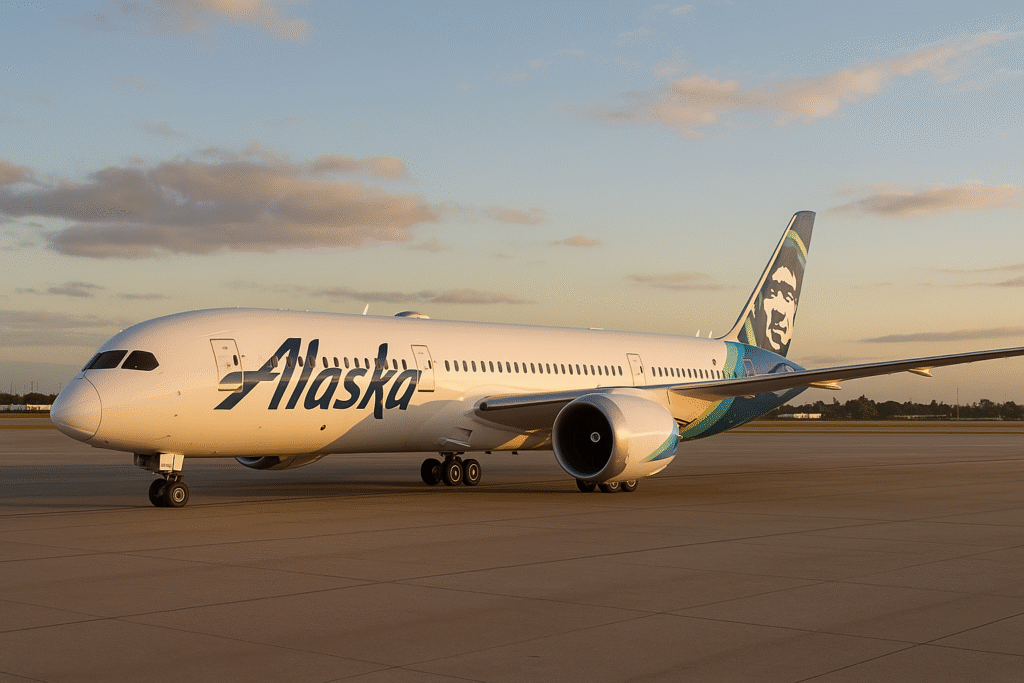
Alaska Airlines, one of the most prominent U.S. carriers, is entering 2025 with both challenges and opportunities. The airline is navigating higher operating costs, fuel price spikes, and recent disruptions, yet remains firmly focused on global growth. By expanding its fleet with new aircraft and adding international destinations, Alaska Airlines is determined to strengthen its market position and provide passengers with more travel options.
While profitability has been pressured by operational hurdles, the airline continues to prioritize service quality and connectivity, ensuring travelers experience reliable journeys even during a complex financial period.
Rising Costs Put Pressure on Operations
In the third quarter of 2025, Alaska Airlines revised its profit outlook due to escalating expenses. Fuel costs have risen sharply, partly driven by refinery outages on the U.S. West Coast. The airline now expects fuel prices to reach as high as $2.55 per gallon, compared with earlier estimates of $2.45. These increases mirror a broader challenge across the airline industry, forcing carriers to adjust strategies to maintain stability.
Beyond fuel, Alaska Airlines has faced a series of weather disruptions and an IT system outage during peak summer travel. These incidents impacted hundreds of flights, creating higher costs for rebooking, passenger compensation, and staffing overtime. Combined, these issues have strained operating margins, though Alaska remains proactive in addressing them.
For travelers, the most immediate effect may be slight increases in ticket fares. However, the airline’s investments in modern aircraft and efficiency improvements are expected to gradually reduce long-term expenses, helping balance future pricing.
Enhancing the Passenger Experience
Despite mounting challenges, Alaska Airlines continues to emphasize customer satisfaction. Passengers can expect the same hallmark of service, supported by expanded loyalty opportunities. The airline is introducing the Atmos Rewards program, designed to unify benefits from its existing Mileage Plan with enhancements inspired by Hawaiian Airlines’ HawaiianMiles.
This new system will allow travelers to earn elite-qualifying miles more efficiently, while milestone benefits such as rollover options provide frequent flyers with greater flexibility. These loyalty improvements reflect Alaska’s broader goal of making travel more rewarding even as costs rise.
Fleet Modernization Strengthens Efficiency
Central to Alaska Airlines’ strategy in 2025 is fleet renewal. The carrier operates an all-Boeing mainline fleet, including 737-700, 737-800, and advanced 737 MAX aircraft. This year also marks a milestone as the airline introduces Boeing 787 Dreamliners into service, enabling long-haul expansion with improved fuel efficiency and passenger comfort.
Older 737-900 aircraft are being phased out, replaced by next-generation planes that consume less fuel and reduce emissions. This transition not only supports the airline’s sustainability goals but also positions it to compete more effectively in international markets.
Expanding International Routes
Perhaps the most exciting development for travelers is Alaska Airlines’ addition of new international destinations. In 2025 and beyond, the airline is broadening its global footprint, connecting Seattle and other West Coast hubs to major cities across Europe and Asia.
- Seoul, South Korea: Service launches in October 2025, providing direct access to Asia’s dynamic cultural and business hub.
- Reykjavik, Iceland: Starting May 2026, daily flights will link Seattle with Iceland’s capital, catering to travelers seeking Nordic adventure and scenic escapes.
- London Heathrow, UK: By spring 2026, Alaska will offer nonstop service to London’s busiest airport, boosting transatlantic connectivity.
- Rome, Italy: A landmark route, Rome flights will bring passengers directly from Seattle to the heart of Italy for the first time in Alaska’s history.
These additions support the airline’s vision of serving 12 intercontinental destinations from Seattle by 2030. For U.S. travelers, this means more direct access to cultural landmarks, international business centers, and global gateways without the need for connecting flights.
Shifts in Airline Partnerships
Another significant shift in 2025 is Alaska Airlines’ decision to end its partnership with LATAM Airlines, effective October. This change will conclude reciprocal mileage earning and redemption across the two carriers, though it also clears the way for new collaborations.
While some frequent flyers may initially feel the loss of LATAM connectivity, Alaska’s growing fleet and global route expansion will offset these changes. The airline is expected to explore additional alliances that better align with its long-term international strategy.
Commitment to Growth and Service
Although the airline industry is facing turbulence from rising costs and operational headwinds, Alaska Airlines is demonstrating resilience through proactive investments. By focusing on modernization, route expansion, and customer loyalty, the airline is positioning itself for long-term success.
For passengers, this translates into exciting new travel opportunities, enhanced loyalty benefits, and flights operated with a modern, efficient fleet. While fare adjustments may be inevitable in the near term, Alaska’s broader strategy ensures that travelers gain access to a growing network of destinations paired with the quality service the airline is known for.
Conclusion
Alaska Airlines’ story in 2025 is one of balance: managing immediate financial pressures while laying the foundation for sustained international growth. With new Dreamliner aircraft entering service, routes expanding to iconic global cities, and loyalty programs evolving to reward frequent travelers, the airline is creating fresh opportunities for exploration.
Despite challenges, Alaska Airlines remains committed to its role as a leading U.S. carrier, connecting passengers to destinations near and far with reliability and care. For travelers planning their next journey, Alaska’s evolving network ensures that the world is more accessible than ever before.
For more travel news like this, keep reading Global Travel Wire