Thousands of travelers faced disruptions after Aer Lingus canceled eight flights across Europe, affecting major airports in Ireland, the United Kingdom, France, and the Netherlands. The cancellations left passengers stranded in cities such as Dublin, London, Paris, Amsterdam, Manchester, and Knock. Many travelers were forced to search for alternative routes, often at short notice.
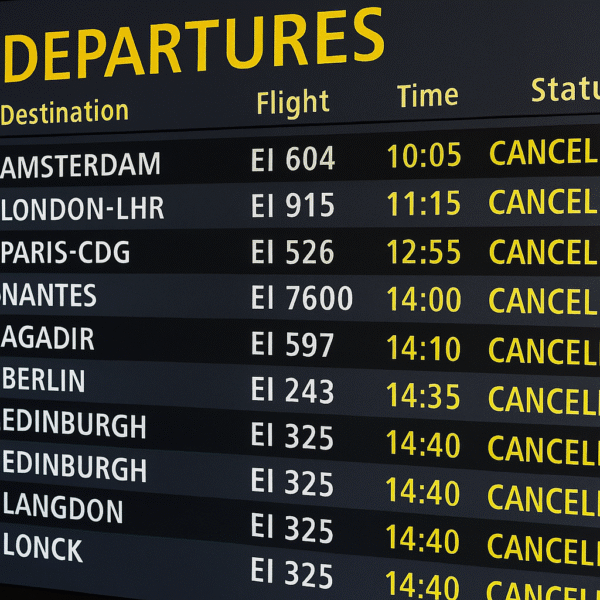
The canceled flights included routes connecting Dublin with Amsterdam, Paris, and Manchester, as well as services between London Heathrow and Knock in the west of Ireland. These cancellations disrupted both leisure and business travel, creating ripple effects across Europe’s busiest airports.
Breakdown of the Canceled Flights
Aer Lingus confirmed that the canceled flights included the following:
- Dublin to Amsterdam (EIN604) and Amsterdam to Dublin (EIN605)
- London Heathrow to Knock (EIN915) and Knock to London Heathrow (EIN916)
- Dublin to Manchester (EIN208) and Manchester to Dublin (EIN209)
- Dublin to Paris Charles de Gaulle (EIN526) and Paris Charles de Gaulle to Dublin (EIN527)
Each of these routes plays a vital role in connecting Ireland to key European hubs. The disruption forced passengers to either rebook with Aer Lingus or seek alternatives with other airlines.
How Passengers Were Affected
The cancellation of Dublin-Amsterdam flights disrupted connections for travelers planning onward journeys through Schiphol, one of Europe’s busiest airports. Many passengers had to find replacement flights with carriers such as KLM or Ryanair.
The London to Knock route saw many travelers stranded with limited alternatives. Knock Airport, located in western Ireland, serves as a gateway for business and leisure travelers. With the cancellation, passengers faced long delays in rebooking, as regional options remain scarce.
The Manchester-Dublin cancellations also caused significant inconvenience. These flights are heavily used by business travelers and students commuting between the two cities. With both directions canceled, travelers scrambled for alternatives through London, Belfast, or Liverpool.
Finally, the Dublin-Paris cancellations affected tourists and business passengers alike. Paris Charles de Gaulle is one of Europe’s key travel hubs, and disruptions on this route meant missed connections and additional costs for many.
Reasons Behind the Disruptions
Airlines cancel flights for multiple reasons, including staffing shortages, operational challenges, and adverse weather. Aer Lingus did not provide detailed explanations for each canceled flight but noted that disruptions were linked to scheduling and capacity issues.
Industry experts point out that post-pandemic recovery has stretched airline resources thin. Even large carriers face difficulties managing staff rosters, aircraft availability, and rising demand. In peak travel seasons, these factors often result in sudden cancellations.
What Affected Travelers Should Do
Passengers impacted by the cancellations must act quickly to minimize disruption. Here are the key steps for travelers:
- Contact Aer Lingus immediately – Reach out via customer service or airport counters to secure a rebooking on the next available flight. Acting fast increases chances of finding suitable alternatives.
- Explore alternative airlines – Carriers such as Ryanair, KLM, or British Airways operate overlapping routes. For example, Dublin-Amsterdam travelers may switch to KLM services.
- Consider rerouting through other hubs – Passengers traveling from Manchester to Dublin may reroute through London or Belfast if direct options are limited.
- Check eligibility for compensation – Depending on the circumstances, passengers may qualify for compensation under EU flight regulations. Refunds, vouchers, or rebookings may be available.
Managing Travel Disruptions
Flight cancellations create significant stress for travelers, but preparation and quick action can reduce the impact. Staying informed and arriving early at airports can make rebooking smoother.
Passengers should also budget for additional costs such as overnight stays or rebooked flights, particularly during peak seasons. Travel insurance can also provide financial protection in situations like this.
Broader Impact on Tourism
These Aer Lingus cancellations highlight how airline disruptions affect tourism across Europe. Dublin remains one of the busiest gateways to Ireland, while Amsterdam, Paris, and London connect millions of international passengers. Canceling multiple flights on these routes not only inconveniences travelers but also affects hotels, conferences, and events linked to incoming tourism.
Ireland’s tourism industry relies heavily on seamless connectivity with European hubs. While Aer Lingus remains a key player in maintaining that connectivity, disruptions of this scale underline the importance of strong contingency planning.
Rights of Passengers
EU regulations give travelers specific rights when facing cancellations. Passengers may be entitled to compensation based on the distance of the flight and the length of the delay in reaching their destination. Aer Lingus is obligated to provide alternative travel arrangements or refunds.
Passengers must keep receipts for any expenses related to the disruption, such as food or accommodation, to support compensation claims. Understanding these rights helps travelers protect themselves financially.
Conclusion
The cancellation of eight Aer Lingus flights across Europe caused major disruption for travelers in Dublin, London, Paris, Amsterdam, Manchester, and Knock. Passengers faced delays, missed connections, and limited rebooking options.
Despite the frustration, travelers can take proactive steps to minimize the impact. Contacting Aer Lingus quickly, seeking alternatives with other airlines, and understanding compensation rights are key strategies.
For Ireland’s tourism sector, such cancellations underscore the challenges facing airlines as they balance growing demand with operational pressures. While disruptions remain a reality in modern air travel, preparation and awareness help travelers navigate unexpected cancellations with greater confidence.
For more travel news like this, keep reading Global Travel Wire