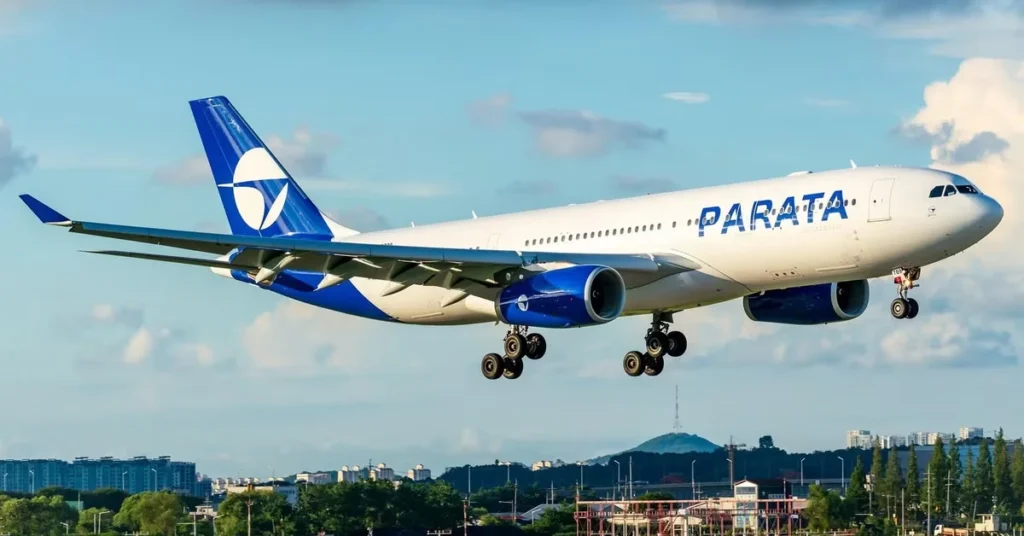
Parata Air plans to launch twice-weekly Yangyang–Shanghai flights on 21 December 2026, adding a seasonal connection between South Korea and China. The proposed service will connect Yangyang International Airport with Shanghai Pudong International Airport during the northern winter season.
The published programme runs until 12 February 2027, with bookings expected to open on 26 October 2026. Parata Air plans to deploy an Airbus A320 configured with 174 seats.
For travellers, the route offers another direct option between Shanghai and South Korea’s eastern coast. Its tourism potential centres on Gangwon’s winter attractions and Shanghai’s city-break appeal.
Twice-Weekly Schedule Shapes Holiday Options
The published timetable lists outbound flight WE813 from Yangyang on Mondays and Fridays. Return flight WE814 is scheduled from Shanghai on Tuesdays and Saturdays.
The outbound journey involves overnight travel, followed by an early-morning return operation. These timings make airport access and accommodation planning important.
Passengers should confirm the calendar for both directions before booking. Overnight operations can place departure and return flights on different calendar dates.
The twice-weekly frequency will also influence possible trip lengths. Travellers seeking a short break must match their itinerary with available operating days.
Neither the supplied timetable nor the announced operating window establishes a year-round commitment. Any extension beyond February would require a further announcement.
Gangwon Gains Another International Gateway
For Shanghai-based visitors, the proposed connection creates a direct arrival option in Gangwon Province rather than requiring travel through another Korean gateway.
That could make eastern coastal and mountain itineraries more practical, depending on travellers’ final destinations and ground transport arrangements.
Gangwon’s appeal includes mountain landscapes, coastal scenery and winter recreation. The service’s timing gives these experiences a place in potential seasonal packages.
However, arriving at Yangyang does not remove the need for onward planning. Visitors should compare transfer times between the airport, accommodation and activities.
For regional tourism businesses, the opportunity lies in making those journeys straightforward. Clear transport information can help visitors assess a destination confidently.
Shanghai Offers a Contrasting Winter Escape
Passengers departing Yangyang will gain another proposed option for reaching Shanghai’s urban attractions, cultural institutions, shopping and dining.
The connection could suit travellers who want a city-focused holiday without adding a domestic journey to another departure airport.
Nevertheless, the route’s convenience will vary according to where passengers live. Surface travel to Yangyang remains part of the overall itinerary.
Early arrival in Shanghai also deserves attention when arranging a stay. Travellers should establish when accommodation becomes available and plan accordingly.
Those with onward journeys should allow realistic transfer time. A direct flight to Pudong does not establish protected connections with separately purchased tickets.
Tourism Businesses Can Build Around Access
A seasonal international service can give hotels, guides and transport operators a defined period around which to organise visitor offers.
In Gangwon, businesses could combine accommodation with winter recreation or regional touring. Shanghai operators could develop stays around cultural and urban experiences.
The commercial benefit will depend on bookings, visitor spending and how effectively suppliers connect their services with the flight schedule.
Two weekly departures provide a limited travel pattern. They do not offer the flexibility associated with daily operations.
Likewise, the aircraft’s 174-seat configuration describes capacity per flight, rather than an expected passenger total.
The supplied information includes no confirmed booking figures, revenue forecast or employment estimate. Tourism gains therefore remain an opportunity rather than a measured outcome.
Booking Details Still Require Confirmation
Bookings are expected to open on 26 October, giving prospective passengers an opportunity to review the final offer before purchasing.
Ticket prices, baggage allowances and amendment conditions will help determine whether the route suits an individual holiday budget.
Passengers should also check the final departure times and operating dates, particularly when travelling near the programme’s closing period.
The listed end date and overnight return pattern make checking both flight sectors especially important.
Travel documentation requires separate attention. Passengers should establish the passport and entry conditions applicable to their nationality and journey before departure.
Regional Connectivity Faces Its First Test
The proposed route gives Yangyang a winter connection with a major Chinese city while widening choices for travellers considering eastern South Korea.
Its immediate value will rest on practical access, suitable fares and dependable operations throughout the announced season.
For holidaymakers, the clearest next step is checking the final timetable when bookings open. For regional businesses, preparation means turning airport access into convenient stays and experiences.
Passenger demand during the winter programme will provide a firmer basis for assessing the connection’s longer-term tourism significance.
For more travel news like this, keep reading Global Travel Wire