Milan welcomed a tidal wave of visitors in September 2025 as two major global events converged: the Italian Grand Prix at nearby Monza and Milano Fashion Week. The city’s hotels recorded their steepest rate rises ever during this period. The influx of fashion lovers and race fans fueled a tourism boom that reshaped Milan’s hospitality market.
Grand Prix Draws Global Motorsports Fans
Each year, the Formula 1 Italian Grand Prix in Monza attracts crowds from around the world. In 2025, from September 5 to 7, race weekend attendance exceeded 10,000 people. Many guests chose to stay in Milan, the nearby cosmopolitan hub, rather than Monza, driving demand for hotel beds in the city. Hotels raised rates sharply during that weekend to match surging interest.
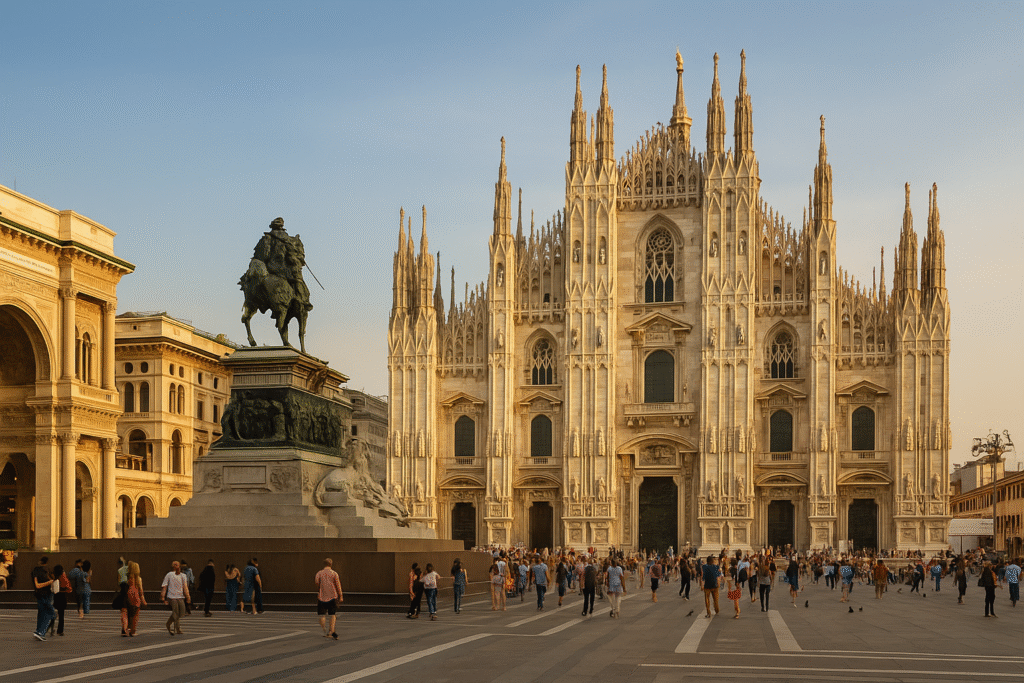
While Monza hosts the track, Milan benefits from overflow—tourists stay in stylish central districts, dine in trendy restaurants, and soak in cultural landmarks between race events. Milano’s fashion boutiques, historic castles, and famous cathedral (Duomo di Milano) entice guests to linger. The Grand Prix thus acted as both a motorsport magnet and a springboard for wider Milan tourism.
Fashion Week Elevates Milan’s Global Appeal
Just weeks later, from September 20 to 26, Milano Fashion Week drew industry insiders, trendsetters, buyers, and influencers. As one of the “Big Four” fashion weeks globally, the event ranks alongside New York, Paris, and London. Attendees flocked to runway shows across Milan’s design districts, and many stayed in premium hotels.
Fashion Week did more than spotlight new collections—it spotlighted Milan itself. Tourists viewed glamour shows and then roamed the city’s high-end boutiques, art galleries, and cafés. That crossover shattered the boundary between event travel and city tourism. Hotels located near Via Montenapoleone and the fashion quarter saw their highest occupancy rates of the year.
Hotels Cash In — But Supply Strains
Luxury hotels seized the moment and pushed pricing to new heights. Top properties near Milan’s central and fashion districts charged over 1,000 euros per night for premium rooms. Mid-tier and boutique hotels also hiked prices amid high demand.
The surge exposed supply strain. The city’s hotel inventory, especially in upscale categories, did not scale quickly to match event-led demand. Many travelers booked months in advance. Some opted for alternative lodging in fringe districts or neighboring towns. As demand spilled over, even hotels 15–20 km from the core saw rate lifts.
Economic Win for Milan’s Businesses
The hotel bonanza rippled across Milan’s economy. Restaurants reported record dinners, design stores sold out seasonal collections, and nightlife buzzed after hours. Museums, galleries, and riverside districts like Navigli welcomed flocks of tourists between events.
Italy’s 2025 tourism outlook supports this trend. Overnight stays across accommodation types grew by 4.7 percent year over year in Q2, with art cities such as Milan seeing double-digit growth. Domestic and international tourism numbers both rose, reinforcing the country’s rebound.
Trends and Insights for Event-Driven Bookings
Analysis of Milan’s hotel market shows that event calendars now serve as major rate drivers. Pricing adjustments happen rapidly—hotels shift rates within days of confirmed event announcements. Notably, many of Milan’s steepest average rates in 2025 occurred midweek, when business and fashion-industry travel clustered.
Another pattern: the ripple effect of demand reaches far beyond the city core. Hotels in Monza and peripheral areas saw secondary increases as overflow guests sought lower-cost alternatives. Meanwhile, new hotel developments and boutique properties in fringe neighborhoods are starting to relieve pressure on central inventory.
According to forecasts, Italy’s hotel market will grow at about 6.5 percent annually. Investments pour into luxury properties, with Milan among the top destinations receiving capital. The hotel sector in Italy is also shifting as demand becomes more year-round and less constrained by seasonal peaks.
Future Outlook: Milan’s Tourism Beyond 2025
If Milan maintains its rhythm of hosting major global events, the city’s tourism engine will remain strong. Continued hotel expansion, smarter supply planning, and improved transit links will help meet mounting demand.
September 2025 likely marks a benchmark month in Milan’s tourism history. The combined effect of Fashion Week and the Grand Prix set records both in hotel pricing and tourist activity. As long as Milan continues staging world-class events, it will hold its status as a premier destination for culture, business, and luxury travel.
In conclusion, Milan’s reputation as a global center for fashion and sport translated into tangible gains for its hospitality sector. Hotel rates soared, visitor numbers soared higher, and local businesses captured the momentum. September 2025 proved that when glamour and speed collide, Milan stands ready to host the world.
For more travel news like this, keep reading Global Travel Wire