In the immediate aftermath of a devastating blast near the historic Red Fort area in Delhi, leading Western governments have issued urgent travel advisories. For the global tourism industry and independent travellers alike, the incident has triggered questions about safety, access and what visitors can expect when heading to India.
The Blast and Its Impact
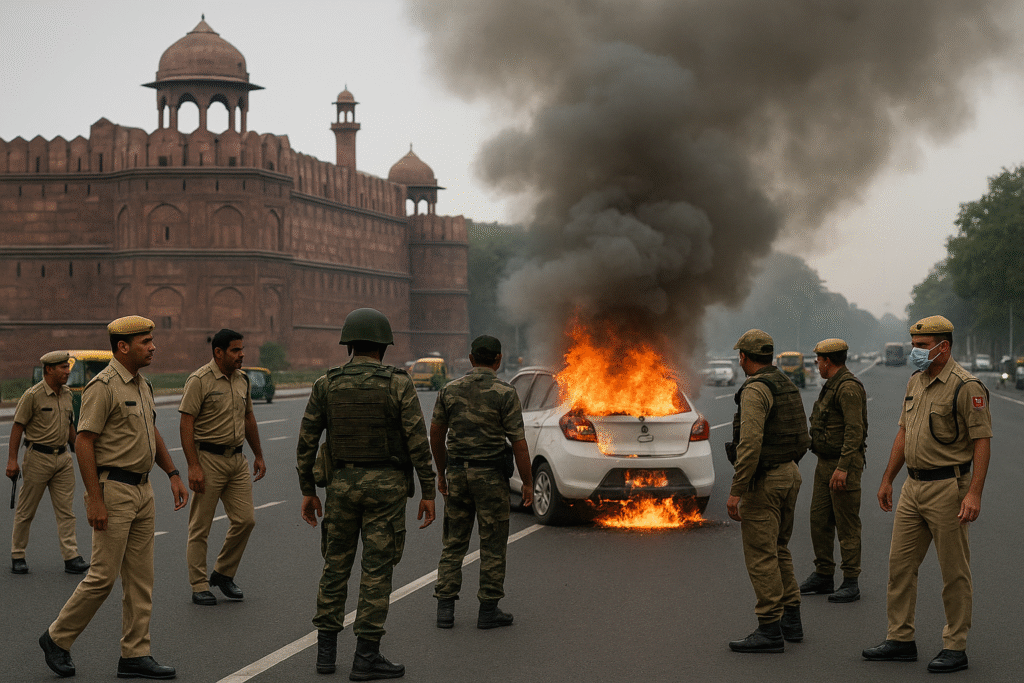
On the evening of 10 November 2025, a car exploded just outside the perimeter of the Red Fort in central Delhi, near the busy gate of the Lal Qila Metro Station during rush-hour. Reports indicate that at least thirteen people lost their lives and more than twenty others were injured in the explosion. The vehicle involved was moving slowly at a traffic signal when the blast occurred; the explosion damaged nearby cars, sparked fires, and sent shock-waves through the dense Old Delhi district.
Following the incident, authorities quickly sealed off the immediate zone, evacuated civilians from adjacent streets, activated heightened security protocols and began a sweeping investigation under anti-terror legislation.
Reasons for Travel Advisory Updates
In response to the explosion, governments of the United States, United Kingdom and Canada updated their travel advice for India:
- The US alert urged citizens to avoid crowded public spaces, notably tourist hubs such as the Red Fort and adjacent markets and metro entrances. American travellers were advised to maintain vigilance, follow local authority instructions and monitor developments carefully.
- Canada issued a “high-caution” designation for Canadian nationals, not only because of the explosion but also due to rising diplomatic and security tensions between India and Canada. Canadians were advised to avoid demonstrations, large gatherings or any situations where harassment could occur.
- The UK’s Foreign, Commonwealth & Development Office (FCDO) raised its advisory level for parts of India, particularly for regions that border Pakistan or are affected by ethnic unrest. British travellers were instructed to make “informed decisions” and to avoid all but essential travel to certain regions, while exercising caution in Delhi and neighbouring areas.
What This Means for Tourism in Delhi
The explosion struck one of India’s most celebrated tourism districts, immediately impacting visitor sentiment and operational realities. Key implications for tourists and travel operators include:
- Access & movement: The Red Fort complex and surrounding thoroughfares are under tightened security. Some entrances, metro stations and local markets have either been restricted or temporarily closed for investigation and safety checks.
- Airport and transit caution: In light of the blast, airports, train stations and metro hubs across Delhi and its environs are on heightened alert. All visitors should allow additional time for screening and expect potential delays or extra checks at travel hubs.
- Perception and confidence: For international travellers planning a trip to Delhi’s historic core or combinational circuit with New Delhi and Agra, the safety signalling matters. Travel insurers or tour operators may adjust terms, and some visitors may choose alternative regions until the situation stabilises.
- Tour-ready destinations still operating: Despite the incident, many mainstream tourist attractions in Delhi remain open. The Red Fort, India Gate, Qutub Minar and other heritage sites continue to welcome visitors, although access protocols and local conditions may differ for the time being.
Safety Tips for Visitors
If you are planning or currently travelling to Delhi, here are practical steps to stay safe:
- Stay updated via official advisories—both your home country’s travel advisories and local Indian government communications.
- Avoid congested public spaces, major tourist focal points and old market streets during peak hours, especially while the investigation and high-security phase are active.
- Choose trusted transportation options—registered taxis, reputable rideshare services and authorised hotel transfers rather than casual street pickups.
- Register with your embassy or consulate when arriving, and share your itinerary with family or trusted contacts.
- Ensure you have travel insurance that accommodates emergency evacuation or travel disruptions linked to security incidents.
Why the Red Fort Area Was Vulnerable
The Red Fort, constructed in the 17th century and a UNESCO heritage site, sits amid the dense fabric of Old Delhi—characterised by thick crowds, narrow streets, marketplaces, traffic and heavy public transport flow. Such environments, while deeply attractive to tourists, also pose elevated risk during security incidents. The incident has spotlighted the broader need for urban heritage destinations to balance access, visitor volume and security preparedness.
Looking Ahead: Recovery and Readiness
India’s tourism sector is no stranger to adversity—from natural disasters to security incidents—but each incident tests the resilience of infrastructure, crisis management systems and visitor confidence. Authorities in Delhi have emphasised rapid investigation, forensic scrutiny and communication of safety measures. As investigations progress and affected areas reopen, travel trends will provide an early sign of how quickly tourism recovery operates.
For the tourism industry, the explosion makes clear the importance of integrating emergency plans, flexible booking policies and visitor information streams into core operations.
In conclusion, the car explosion near Delhi’s iconic Red Fort mark a significant shock to both local life and international travel to the Indian capital. While the city remains rich in cultural allure and historic fascination, travellers must now factor in elevated security conditions and remain diligent. With proper awareness and caution, visiting Delhi remains viable—but the context has changed. The coming days will be critical for demonstrating resilience, restoring confidence and ensuring that tourists feel safe in one of the world’s most iconic travel destinations.
For more travel news like this, keep reading Global Travel Wire